
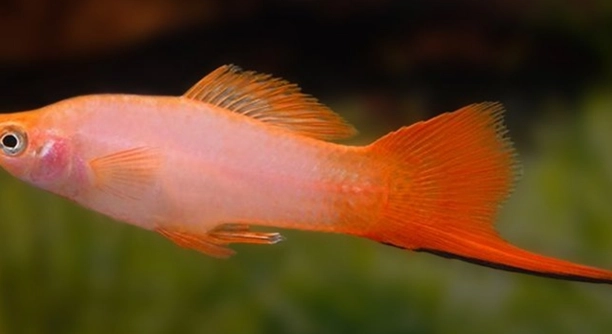
Swordtail fish are often seen chasing one another, which can raise concerns for fish owners. If you’ve noticed this behavior in your swordtail, it’s important to understand the reasons behind it and how to manage it effectively.
Swordtail fish engage in chasing behaviors primarily due to territorial disputes, mating instincts, or stress. Males, in particular, may chase other fish to establish dominance or compete for mates. Providing ample space and hiding spots can reduce aggression.
Understanding why this behavior occurs can help you create a better environment for your swordtails. Implementing a few changes can ensure their well-being and peaceful coexistence.
Why Do Swordtails Chase Each Other?
Swordtail fish often chase one another as part of natural behavior patterns. This chasing can be a sign of dominance, mating competition, or stress. Males are particularly active in chasing, especially when vying for the attention of females. These actions are more common in a tank with limited space or inadequate hiding places for the fish. If your swordtail is chasing other fish, it could be because it’s trying to establish its territory or compete for mates. In some cases, chasing is simply an outlet for excess energy or a way for the fish to socialize. The environment you provide plays a significant role in these behaviors.
A lack of hiding spaces or overcrowding can make the fish feel stressed. When this happens, swordtails may begin chasing each other more aggressively. Ensuring they have enough room to swim and places to retreat can help manage these issues.
Managing a swordtail tank requires more than just providing basic needs. Space, environment, and tank mates all play a part in reducing aggressive chasing behavior. Adding plants and decorations that create territories will allow your swordtails to feel more secure, decreasing tension between them.
Are Swordtails Aggressive?
Swordtails aren’t generally aggressive fish, but certain factors can trigger aggression. Male swordtails are often more territorial, and their competition for mates can lead to chasing behaviors. Additionally, stress caused by overcrowding or improper tank conditions may also encourage swordtails to act more aggressively.
Aggressive chasing can be mitigated by ensuring your swordtail tank is appropriately sized and contains enough hiding spots. Adding more female swordtails to a group of males can also help reduce rivalry. When males have several females to focus on, their behavior tends to be less aggressive. Additionally, swordtails are social fish and do well when kept with peaceful species. Mixing them with overly aggressive tank mates may lead to increased tension, triggering unnecessary chasing.
Making sure your swordtails have plenty of space and are paired with peaceful companions is essential for their well-being. With careful attention to their environment and behavior, it’s possible to reduce aggressive interactions and maintain a peaceful tank.
Space and Tank Setup
Swordtails are active swimmers and need ample space to thrive. A cramped tank can lead to increased stress, which often results in chasing. If they feel their territory is threatened or too small, the behavior intensifies. Make sure your tank provides enough room for them to move around freely.
A tank that is too small will not only stress your swordtails but also create tension between other fish. Aim for at least a 20-gallon tank for a small group. The more space you provide, the less likely your fish will feel the need to chase others. Adding plenty of plants and hiding spots will allow them to retreat when needed, reducing aggression. A larger tank also helps maintain a better water quality, which is crucial for the overall health of your swordtails.
When swordtails feel secure in their environment, they are less likely to chase each other. Tanks with plenty of space, plants, and decorations to break up sightlines encourage peaceful interactions. Overcrowding should be avoided to ensure that each fish has its own area to swim comfortably without feeling threatened. This is the key to minimizing chasing behavior.
Mating Behavior and Stress
Male swordtails often chase others when competing for mates. This is a natural part of their mating behavior. If there aren’t enough females in the tank, males will focus their attention on each other, leading to increased aggression. Adding more females can help ease this issue.
Males will chase each other, attempting to display dominance or court the females. However, having too many males in a small space can amplify the chasing. A ratio of two females for every male is ideal to minimize conflicts. This ensures that males are less likely to target one another, focusing on courting females instead. When males compete for females, it’s a sign of natural breeding behavior, but this can be stressful if there are not enough females to go around.
Overcrowding with males leads to heightened competition and aggression. If you’re noticing excessive chasing, the first step is to assess the gender ratio in your tank. Ensuring a balance will reduce stress on the males and help bring a sense of harmony to your swordtail community.
Tank Mates and Compatibility
Swordtails can become territorial, especially when kept with aggressive tank mates. If your swordtail is chasing others, it could be due to incompatible companions. Some species are too aggressive or territorial, which leads to stress and chasing behavior. Ensure tank mates are peaceful.
Aggressive species can cause swordtails to become more defensive, prompting them to chase to protect themselves or establish dominance. To avoid this, choose peaceful tank mates like tetras or mollies. Avoid placing swordtails with fin-nipping fish or overly territorial species. Compatibility is key to a peaceful tank environment and less chasing behavior.
Swordtails prefer tanks with gentle companions that don’t challenge their space. It’s important to research potential tank mates carefully. Mixing them with overly aggressive species can lead to constant stress, which will increase chasing and other aggressive behaviors. Maintaining a harmonious community reduces stress and improves overall health.
Stress and Environmental Factors
Swordtails are sensitive to changes in their environment. Water quality, temperature fluctuations, and even lighting can contribute to stress. If your swordtail is constantly chasing others, it might be responding to environmental stress. Stability is crucial for their well-being.
A sudden change in water temperature or a shift in the pH level can make your swordtail feel threatened. This stress can lead to aggressive behaviors, including chasing. It’s important to maintain a stable environment by regularly checking water parameters, ensuring a consistent temperature, and avoiding drastic changes. Proper filtration is also key in keeping the water clean.
Stressors in the environment can trigger aggression. Providing a stable and clean environment is the best way to prevent swordtails from becoming stressed and aggressive. Regular water changes, proper filtration, and monitoring for any sudden changes in conditions will help your swordtail feel secure and calm.
FAQ
Why is my swordtail chasing my other fish?
Swordtail fish chase each other for several reasons, such as establishing dominance or competing for mates. Males, especially, chase one another to prove their strength and win the attention of females. This behavior can be heightened when they feel their territory is threatened or when there aren’t enough hiding spots. Additionally, if the tank is overcrowded or lacks proper space, swordtails can become stressed and more prone to chasing. If your swordtail is chasing other fish, it’s essential to examine the tank environment and make adjustments to reduce stress.
How can I stop my swordtail from chasing others?
The simplest way to reduce chasing behavior in swordtails is by increasing the space in the tank. Providing ample room allows your fish to move around without feeling threatened. Adding plants, decorations, or other hiding spots can also help. This gives your swordtails a place to retreat when they feel stressed. If you have multiple males, consider adjusting the gender ratio by adding more females. This can reduce competition and help maintain peace. Ensuring that your tank has compatible fish species is crucial as well—aggressive tank mates may cause your swordtails to become defensive.
Do swordtails always chase each other?
Not all swordtails will engage in chasing behavior. It primarily depends on factors like their environment, the number of fish, and the presence of stressors. Males tend to chase each other more often, especially when competing for mates or establishing dominance. However, swordtails in a well-maintained tank with plenty of space and peaceful companions may rarely engage in chasing. Over time, as swordtails become more comfortable and secure in their environment, chasing behavior typically reduces. Providing a stable environment with good water quality can help minimize aggressive behavior.
How can I tell if my swordtail is stressed?
Swordtails exhibit several signs of stress. These include hiding more than usual, swimming erratically, or rubbing against objects in the tank. You might also notice faded colors, loss of appetite, or excessive chasing. Stress can also manifest as lethargy, where your swordtail becomes less active or doesn’t interact with other fish. If you observe these signs, check the water quality, temperature, and tank conditions to see if anything has changed. Stress can be caused by overcrowding, poor water quality, or incompatible tank mates. Ensuring a comfortable environment is the key to preventing stress.
Can swordtails be kept with other species?
Yes, swordtails are generally peaceful fish and can be kept with other species. However, it’s essential to choose tank mates that are compatible in terms of temperament and size. Swordtails do best with other peaceful fish, such as tetras, guppies, or mollies. Avoid placing them with aggressive or fin-nipping fish, as this can lead to stress and increase the chances of chasing. Swordtails do best in a community tank where the fish can coexist without constant competition. When choosing tank mates, be mindful of the size and behavior of the other fish to ensure a harmonious environment.
Why are my swordtail fish swimming erratically?
Erratic swimming can be a sign of several issues. One common cause is stress, often due to poor water quality, overcrowding, or changes in the tank environment. Swordtails may swim erratically when they’re trying to escape an uncomfortable situation. Another possible cause is the presence of disease or parasites. If your swordtail is swimming erratically, it’s important to check water parameters, such as temperature, pH, and ammonia levels. Ensure that the tank is not overcrowded and that the water is clean. If erratic swimming persists, consider examining the fish for signs of illness.
How can I improve my swordtail’s living conditions?
To improve your swordtail’s living conditions, start by ensuring a clean and well-maintained tank. Regular water changes and proper filtration are key to maintaining good water quality. Swordtails prefer a tank with a moderate flow, so ensure the filter isn’t too strong. Add plants, rocks, and hiding spots to mimic their natural environment, which will make them feel secure. Ensure that the temperature stays between 72°F and 82°F, and check pH levels to stay within the ideal range. By providing a comfortable and stable environment, you can reduce stress and improve the overall health of your swordtails.
How many swordtails should I keep together?
Swordtails should be kept in small groups to allow for natural social behavior. A good rule of thumb is to keep at least three swordtails together. A ratio of one male to two or three females is ideal to reduce aggressive behavior and competition. This helps balance the dynamics of the tank and ensures that males are not overly focused on one female. Overcrowding should be avoided, as too many swordtails in a small space can lead to stress and territorial aggression. The number of swordtails you keep will depend on the size of your tank, but always aim to provide ample space for each fish to swim and thrive.
Can swordtails live with other types of livebearers?
Swordtails can live peacefully with other types of livebearers, such as guppies, mollies, and platies. These species share similar water conditions and care requirements, making them suitable companions for swordtails. However, it’s important to maintain a balanced gender ratio to avoid competition among males. Too many males can lead to aggression and chasing, especially during mating season. Keep an eye on the tank dynamics and ensure that the species you mix with swordtails are peaceful. Avoid mixing swordtails with overly aggressive species to maintain harmony in your aquarium.
Final Thoughts
Swordtails are active, colorful fish that can be a great addition to a home aquarium. However, like any species, they come with their own set of behaviors and needs. If you notice your swordtail constantly chasing other fish, it is often a sign of stress, territorial issues, or even mating behavior. Understanding the root cause of this action is important for creating a peaceful and healthy tank environment. While chasing can sometimes be normal, especially in males competing for mates, it is crucial to ensure the well-being of all your fish.
Creating a suitable environment for your swordtail can go a long way in reducing aggressive behaviors like chasing. Providing plenty of space and hiding spots allows all the fish to feel secure and comfortable. Swordtails do best in a community tank with compatible, peaceful species, and ensuring that the tank is not overcrowded is essential. Proper water conditions, such as stable temperature and pH levels, also play a significant role in reducing stress. Regular maintenance, like water changes and filtration, will help prevent issues that can lead to aggression.
If chasing persists despite adjustments in tank conditions and fish companions, it may be worth consulting an aquarium specialist to ensure there are no underlying health concerns. Swordtails are generally easy to care for, but, like all fish, they require attention to their environment and health. With the right care and setup, swordtails can live happily and peacefully with other fish. By staying observant and making necessary changes when needed, you can create a thriving aquarium for your swordtail and its companions.

Hello,
If you enjoy the content that we create, please consider saying a "Thank You!" by leaving a tip.
Every little bit helps us continue crafting quality advice that supports the health, happiness, and well-being of pets around the world, for pets of all shapes, sizes, and species.
We really appreciate the kindness and support that you show us!