
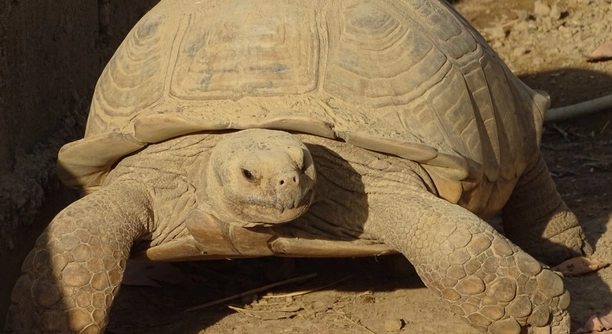
Sulcata tortoises are fascinating creatures, and if you’re a proud owner, you may have noticed some unusual changes to their shells. One common concern is when their shell begins to peel in large chunks.
The shedding of a sulcata tortoise’s shell in large pieces is typically a normal process of growth. As they grow, their old, outer scutes (the plates on their shell) may shed to make way for new, larger ones.
This process is important for your tortoise’s health and growth. Understanding why and how it happens will help ensure your pet is well cared for.
The Natural Shedding Process
When a sulcata tortoise sheds its shell, it’s typically part of its natural growth cycle. These tortoises have scutes, which are hard, plate-like sections on their shells. As the tortoise grows, these scutes must shed in larger pieces to make room for newer, bigger ones. This is a gradual process that happens over time, often in phases. It may appear alarming, but rest assured, this is completely normal and healthy for your pet.
Most of the time, this process should happen without any issues. The peeling or shedding of scutes may become more noticeable during warmer months, which can encourage faster growth. Sometimes, the scutes fall off in large chunks, leaving behind a shiny, fresh layer underneath. This new layer will eventually harden as it matures, completing the growth cycle. However, not all peeling is related to growth, so it’s important to observe your tortoise for any signs of distress.
If you notice your sulcata tortoise shedding in large chunks, don’t panic. It’s likely a sign of healthy development. However, you should keep an eye on the situation to ensure everything is proceeding as it should.
The Role of Humidity and Diet
Humidity and diet also play significant roles in the health of your tortoise’s shell. Proper hydration is essential for your tortoise’s overall health and shell condition. If the humidity levels are too low, the shedding process may become more irregular or cause dehydration. Make sure your tortoise has access to water at all times, and consider adding humidity through misting or a humidity box in their habitat.
A balanced diet rich in fiber and calcium helps support healthy shell growth. Foods like grasses, leafy greens, and hay are good choices. A lack of calcium can result in soft or poorly formed scutes, which could cause peeling in unnatural patterns. By ensuring your tortoise receives proper nutrients and hydration, you can support their natural shell shedding process.
Infections and Shell Rot
If the peeling seems abnormal, it could be a sign of an infection or shell rot. Shell rot happens when bacteria or fungi infect the shell, leading to soft, decaying areas. This can cause pieces of the shell to peel away in a way that doesn’t fit with the natural shedding process.
If your tortoise is suffering from shell rot, you might notice areas on the shell that look discolored or have a foul smell. These areas can become soft and vulnerable to further damage, leading to larger chunks of peeling. The cause is often linked to poor living conditions, such as excessive moisture or dirty environments. In these cases, it’s important to consult a vet for treatment.
Prompt attention to shell rot is crucial to avoid further complications. The condition can worsen quickly if left untreated, potentially leading to permanent damage to the shell. To prevent this, make sure your tortoise’s living space is dry and clean. Regularly check for any signs of infection and act quickly if you notice anything unusual.
Vitamin and Mineral Deficiencies
Deficiencies in vitamins and minerals can also affect the condition of your tortoise’s shell. A lack of calcium, in particular, is a common problem that leads to weak, brittle shells that may peel prematurely. Calcium is essential for the development of strong, healthy scutes.
In addition to calcium, vitamins like A and D are also important for overall shell health. These vitamins help your tortoise maintain a solid, well-structured shell as it grows. A lack of these nutrients can result in abnormal shedding or poor shell quality, which may cause peeling in large chunks. Make sure your tortoise is getting enough of these nutrients through a balanced diet and supplements if necessary.
Adding calcium supplements and vitamin-rich foods to your tortoise’s diet can make a noticeable difference in shell quality. Greens like collard greens, dandelion leaves, and certain fruits and vegetables are great sources of vitamins and minerals. Keeping their diet varied and rich in essential nutrients is key to preventing deficiencies.
Poor Humidity or Temperature
Inadequate humidity or temperature can also affect your sulcata tortoise’s shell health. If the environment is too dry, your tortoise’s shell may start peeling in unusual ways. The outer scutes need moisture to shed properly. Without the right humidity, they may crack or peel prematurely.
Similarly, temperature plays a role in the natural shedding process. If the habitat is too hot or too cold, it may disrupt the tortoise’s growth. Keeping the temperature consistent and within the proper range helps ensure that the shedding process goes smoothly. It also supports their overall health.
Shell Injuries
Accidental injuries to the shell can cause it to peel in large pieces. If your tortoise has been scratched, bumped, or knocked into something hard, it could damage the shell, causing scutes to separate. Always inspect the shell for signs of cracks or dents.
If you find any damage, keep an eye out for signs of infection. Applying a gentle antiseptic and providing a clean environment can help prevent further issues. If the injury seems severe or doesn’t heal, it’s best to consult a vet.
FAQ
Why is my tortoise’s shell peeling in large pieces?
Shell shedding in large pieces is typically a natural process. As your tortoise grows, the outer layer of the shell, known as the scutes, needs to shed to allow new growth underneath. The shedding is usually gradual, and it may appear more noticeable in large chunks during warm weather. This is a healthy part of their growth cycle and usually occurs without issues. If the peeling seems irregular, it might be due to an infection or a vitamin deficiency, so it’s important to monitor for any other unusual signs.
How often does a sulcata tortoise shed its shell?
Sulcata tortoises shed their shells regularly as part of their growth. Younger tortoises tend to shed more often because they grow rapidly. As they age, shedding slows down, but it still happens. The process can occur every few months or in phases throughout the year. If your tortoise is shedding more frequently than normal or the pieces are unusually large, check the environment and diet to ensure it’s a healthy, natural process.
Should I be worried if the shell is peeling in large chunks?
If your tortoise’s shell is shedding in large pieces, it’s likely normal as part of the growth process. However, if the scutes appear damaged, discolored, or have an unpleasant odor, it may be a sign of shell rot or an infection. If this happens, it’s important to consult with a vet. Keep the habitat clean and ensure the tortoise has access to proper humidity and temperature, as these factors influence shedding.
What is shell rot and how can I tell if my tortoise has it?
Shell rot is a bacterial or fungal infection that causes the shell to deteriorate, leading to soft spots, discoloration, and sometimes an unpleasant smell. If you notice your tortoise’s shell turning soft, with visible areas of damage or pus, these may be signs of shell rot. It’s important to act quickly, as untreated shell rot can lead to more severe health issues. Visit a vet for proper treatment and to avoid long-term damage.
Can a poor diet cause my tortoise’s shell to peel?
Yes, a poor diet can contribute to peeling and unhealthy shells. A diet lacking in essential nutrients like calcium and vitamins A and D can result in brittle or soft scutes. A balanced diet of leafy greens, hay, and high-fiber vegetables is vital. Calcium-rich foods, such as dandelion greens and clover, help maintain a strong shell. You might also consider offering calcium supplements, especially if your tortoise’s diet lacks variety or contains too many high-oxalate foods like spinach.
Is it safe to handle my tortoise if its shell is peeling?
Handling your tortoise during shedding is generally safe as long as you are gentle. Avoid putting too much pressure on the shell, especially if there are soft spots or areas that seem particularly vulnerable. Being cautious during handling will help prevent further damage. It’s also a good idea to wash your hands afterward to prevent any potential transfer of bacteria if the shell appears infected.
What should I do if my tortoise has a damaged shell?
If your tortoise’s shell has suffered an injury, such as cracking or denting, the first step is to clean the area with mild antiseptic and keep the shell dry. If the damage is severe or the wound does not heal properly, take your tortoise to a vet for treatment. They may recommend bandaging the area or applying medication to prevent infection. Avoid letting your tortoise in water until the injury heals completely.
How can I help my tortoise grow a healthy shell?
Providing your tortoise with a healthy, balanced diet, appropriate humidity, and consistent temperature is key to supporting a healthy shell. Regular exposure to natural sunlight or UVB lighting helps with calcium absorption, which is essential for strong shell growth. Ensure the habitat is clean, dry, and spacious, with access to clean water for hydration. Regular check-ups with a vet can help detect any underlying health issues early.
Can humidity levels affect my tortoise’s shell shedding?
Yes, low humidity levels can cause your tortoise’s shell shedding to become uneven or problematic. If the environment is too dry, the scutes may crack, peel prematurely, or even cause irritation to the skin underneath. Ensure the humidity in the tortoise’s habitat is at an optimal level for its species. You can use a humidity box or mist the habitat regularly to maintain proper moisture levels.
How can I prevent my tortoise from getting shell rot?
The best way to prevent shell rot is by keeping your tortoise’s habitat clean and dry. Regularly disinfect the enclosure and remove any waste promptly. Avoid excessive moisture, and ensure the temperature is within the proper range to promote healthy shell growth. Additionally, maintaining a proper diet rich in calcium and vitamins will strengthen your tortoise’s shell, making it less susceptible to rot. If your tortoise has any injuries, monitor them closely to ensure they heal properly without infection.
When should I seek veterinary care for my tortoise’s shell?
If you notice any of the following signs, it’s time to seek veterinary care: unusual or painful peeling, discolored patches on the shell, soft spots, foul odor, or signs of infection like swelling. Also, if your tortoise is shedding unusually often or the scutes are not shedding evenly, a vet can help determine the cause and provide guidance on treatment. Always err on the side of caution if you suspect an issue with your tortoise’s shell.
Final Thoughts
Shell peeling in sulcata tortoises is usually a normal part of their growth process. As they grow larger, their outer shell layer, called scutes, naturally sheds to make room for new ones. This process can appear as large pieces of shell peeling off, which might seem concerning, but it’s simply the tortoise growing. Regular shedding is especially noticeable in younger tortoises as they grow more rapidly. As long as the tortoise’s shell appears healthy underneath, with no signs of injury or infection, the peeling is most likely nothing to worry about. It’s important to observe the situation and make sure there are no unusual changes, like discoloration, soft spots, or bad smells that could signal an infection.
However, if the shedding seems excessive or your tortoise shows signs of discomfort, there could be other factors at play. Poor diet, dehydration, improper humidity, or temperature fluctuations in their habitat can all lead to irregular shedding or unhealthy shells. If your tortoise isn’t getting enough calcium, vitamins, or hydration, it may lead to brittle or poorly-formed scutes, which can cause abnormal peeling. Maintaining a balanced diet of leafy greens, hay, and proper UV lighting can help support strong shell growth. Additionally, checking the humidity and temperature levels in the habitat regularly will ensure that the tortoise’s environment is optimal for healthy shedding and growth.
In cases where the shell damage seems more severe, such as when there are visible cracks, soft spots, or signs of infection, seeking veterinary care is crucial. Conditions like shell rot can spread quickly and cause lasting damage if not treated early. If the peeling appears to be due to an injury, it’s important to keep the affected area clean and dry to prevent infection. With proper care, your sulcata tortoise can continue to grow and thrive, shedding its shell naturally as part of the process. Always make sure your tortoise’s living conditions, diet, and health are well-maintained to ensure a happy and healthy life for your pet.

Hello,
If you enjoy the content that we create, please consider saying a "Thank You!" by leaving a tip.
Every little bit helps us continue crafting quality advice that supports the health, happiness, and well-being of pets around the world, for pets of all shapes, sizes, and species.
We really appreciate the kindness and support that you show us!