
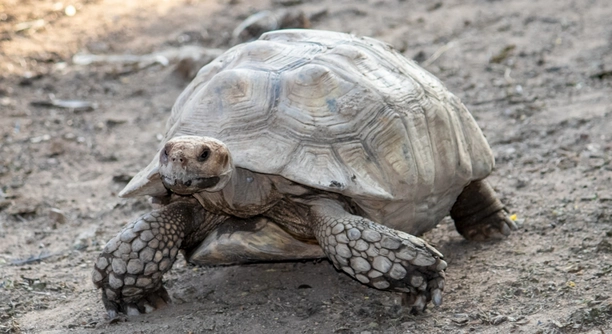
Is your sulcata tortoise’s shell not hardening properly? This common issue can be concerning for pet owners. Understanding the causes and solutions can help your tortoise grow and thrive as it should.
The most common reasons for a sulcata tortoise’s shell not hardening are insufficient UVB light, poor diet, and inadequate humidity. These factors can prevent proper calcium absorption, which is crucial for shell development. Ensuring proper care can resolve this issue.
With the right steps, you can help your tortoise’s shell strengthen and develop properly. Let’s explore the key factors behind this problem and how to fix it.
Why Is UVB Light Important for Your Tortoise’s Shell?
UVB light plays a vital role in your sulcata tortoise’s overall health, especially in shell development. Without sufficient UVB exposure, your tortoise may struggle to process calcium, a mineral essential for hardening its shell. Tortoises in the wild get UVB naturally from the sun, but captive tortoises rely on artificial lighting to mimic this environment. If the UVB light is too weak or placed incorrectly, it can prevent your tortoise from absorbing the calcium it needs. This lack of calcium leads to a soft, weak shell, which is a sign of improper care.
Adding a proper UVB light to your tortoise’s habitat is necessary for its well-being. Be sure to place the light at an appropriate distance and replace it regularly, as UVB bulbs lose their effectiveness over time.
For best results, ensure the UVB light is positioned directly over your tortoise’s basking area. Allow your pet to bask under the light for several hours a day. Without this critical element, your tortoise could experience stunted shell growth and overall poor health.
The Role of Diet in Shell Hardening
A well-balanced diet is essential for your sulcata tortoise’s health.
To help your tortoise’s shell harden properly, you should focus on providing a diet rich in calcium and other vitamins. Leafy greens, such as kale, collard greens, and dandelion greens, are great sources of calcium. You can also add calcium supplements to your tortoise’s food or water. Without the right nutrients, your tortoise’s shell may remain soft or grow improperly, potentially leading to health problems. Additionally, avoid feeding your tortoise high-oxalate vegetables like spinach, as these can inhibit calcium absorption.
Besides calcium, a healthy diet should also include fiber and other essential vitamins to promote overall growth. A lack of proper nutrition can cause developmental issues, including weak shells. Be sure to research which vegetables and supplements are best for your tortoise, and avoid overfeeding fruits, as they are high in sugar. Over time, a balanced diet will support a strong, healthy shell for your sulcata tortoise.
The Importance of Humidity for Your Tortoise’s Health
Humidity is another crucial factor for a healthy tortoise shell. Too little humidity can cause your tortoise’s shell to become brittle and underdeveloped. Proper humidity helps with the shedding process and ensures that your tortoise’s skin and shell stay hydrated. A dry environment may also affect its respiratory system, causing further health issues.
Ensure that the humidity levels in your tortoise’s enclosure are maintained between 50% and 60%. Using a humidity gauge can help you keep track. You can also mist the enclosure lightly or add a water source for your tortoise to hydrate naturally. Too much moisture, however, can lead to mold growth, so balance is key.
If your tortoise is kept in an overly dry environment, its shell may become dry and start to crack or deform. This is a sign that the humidity levels need adjustment. Investing in a hygrometer will help you monitor and maintain consistent humidity. Also, avoid placing your tortoise in a glass tank that traps moisture, as it can cause issues with air circulation.
Shell Issues from Lack of Exercise
A lack of exercise can also impact the health of your tortoise’s shell. Sulcata tortoises are naturally active creatures, and they need space to roam, dig, and explore. Without enough physical activity, they may develop shell deformities or weakened bones.
Exercise helps stimulate your tortoise’s muscles and bones, which are essential for shell growth and strength. Ensure that your tortoise has plenty of room to move around. If your tortoise is housed in a small area, provide time outside to explore a larger, secure environment.
Lack of movement can result in poor bone development and weak shell structure. Allowing your tortoise to be active regularly will help it grow strong and healthy. A lack of exercise may cause issues like pyramiding, which is an abnormal shell growth. This condition is most often seen in tortoises kept in small, confined spaces with limited movement.
Temperature Regulation Matters
Tortoises rely on proper temperature regulation to stay healthy.
If your tortoise’s environment is too cold, it will have trouble digesting food, leading to calcium deficiencies. If it’s too hot, your tortoise may experience stress or dehydration. Maintaining the right temperature balance is crucial for its shell development.
It’s essential to create a temperature gradient in the enclosure, with a warmer basking area and a cooler, shaded area. Ensure that the basking spot is between 90°F and 100°F, while the cooler area should be between 75°F and 85°F. This allows your tortoise to regulate its body temperature, which is necessary for digestion and overall health. Without proper temperature control, your tortoise’s shell may not develop correctly, and it may become stressed, leading to further health problems.
FAQ
Why is my sulcata tortoise’s shell soft?
A soft shell in a sulcata tortoise is usually due to insufficient calcium intake or lack of proper UVB lighting. Calcium is essential for shell development, and UVB light helps the tortoise process this mineral. Without these key factors, the shell won’t harden as it should. Ensure your tortoise gets a balanced diet rich in calcium and that the enclosure has proper UVB lighting. If the problem persists, consult a vet for possible supplementation or adjustments to the environment.
How can I tell if my tortoise is getting enough calcium?
Signs of calcium deficiency in a sulcata tortoise may include a soft or deformed shell, weakness, or poor growth. To prevent this, make sure your tortoise’s diet includes calcium-rich foods, like dark leafy greens (collard greens, dandelion greens) and vegetables. You can also provide a calcium supplement, either in its food or water. However, over-supplementing calcium can cause other health issues, so it’s essential to keep things balanced.
Can I use a regular light bulb for my tortoise’s UVB needs?
No, regular light bulbs do not provide the necessary UVB rays for your tortoise. You need a specialized UVB light that simulates the sun’s rays, crucial for vitamin D3 production and calcium absorption. These bulbs are designed to provide the correct wavelengths and should be replaced every 6 months as they lose effectiveness over time. Make sure to place the UVB bulb at the appropriate distance from your tortoise’s basking area.
What type of substrate is best for a sulcata tortoise?
For a sulcata tortoise, the best substrates are those that maintain proper humidity and allow for digging. Popular options include a mix of organic topsoil, coconut coir, and hay. Avoid substrates like sand or gravel, as they can cause digestive issues if ingested. Make sure to avoid using cedar or pine shavings because the oils in these woods can be toxic to tortoises.
Is it okay to let my tortoise roam around the house?
While it might be tempting to let your sulcata tortoise roam the house, it’s important to create a safe, secure environment for it to explore. Indoor spaces may have hazards such as sharp objects or areas that are too hot or cold. Always supervise your tortoise and make sure any room it roams in is tortoise-proofed. It’s better to have a designated play area or outdoor space where your tortoise can safely explore.
How often should I feed my sulcata tortoise?
Sulcata tortoises need a diet that’s high in fiber and low in protein. They typically feed every day, but as they grow older, they may eat less frequently. Offer a variety of leafy greens, grass, and some vegetables daily. Avoid feeding fruits too often as they are high in sugar. Ensure your tortoise’s diet is balanced to prevent health issues, including soft shell development.
How can I improve my tortoise’s shell condition?
To improve your tortoise’s shell condition, ensure it receives proper UVB lighting, a calcium-rich diet, and enough exercise. Keep the humidity levels in the enclosure at around 50% to 60% to support healthy shell development. Provide ample space for your tortoise to roam and dig. Regularly monitor the temperature to ensure it’s within the appropriate range to support digestion and overall health.
How long does it take for a sulcata tortoise’s shell to harden?
A sulcata tortoise’s shell should start hardening as it grows, but it can take several months to a few years, depending on environmental conditions. If the proper care is provided, such as adequate UVB light, calcium, humidity, and temperature, you’ll likely see progress in the shell’s firmness. Keep monitoring your tortoise’s health and make necessary adjustments to its habitat to ensure it develops a strong shell.
Is pyramiding in tortoises preventable?
Yes, pyramiding is preventable. This condition occurs when the shell grows in an abnormal, pyramid-like shape, often caused by improper diet, insufficient UVB light, or lack of exercise. To prevent pyramiding, ensure your tortoise is exposed to proper UVB lighting, gets enough calcium, and has a well-balanced diet. Additionally, provide ample space for movement and exercise to encourage healthy growth.
Should I be concerned if my tortoise’s shell has cracks or holes?
Cracks or holes in a tortoise’s shell should not be ignored. These may be signs of injury, malnutrition, or improper care. If you notice cracks or holes, check for any signs of infection and consult a vet immediately. Treating these issues early can prevent further damage or complications. Regular health checks and proper care will reduce the risk of shell damage.
Can humidity affect my tortoise’s shell?
Yes, humidity plays an important role in shell health. If the humidity is too low, it can cause your tortoise’s shell to become dry and brittle, leading to issues like cracking or deformation. On the other hand, excessive humidity can lead to respiratory problems or skin issues. It’s essential to maintain the proper humidity level in your tortoise’s habitat, ideally between 50% and 60%. You can use a hygrometer to monitor the levels.
Final Thoughts
Taking care of your sulcata tortoise’s shell requires attention to several factors that can impact its health. The most important aspects include proper UVB lighting, a balanced diet rich in calcium, and maintaining the right humidity levels in the enclosure. These elements work together to ensure that your tortoise grows with a healthy, strong shell. Without the proper care, your tortoise’s shell may not develop as it should, leading to issues such as softness, cracks, or even deformities. Addressing these concerns early on can prevent long-term health problems and give your tortoise the best chance for a happy life.
Aside from diet and environmental factors, exercise is also an important part of your tortoise’s well-being. Sulcata tortoises are active creatures, and they need space to move around to build strength and support healthy shell growth. If they are kept in a small, confined area for too long, their shells can become weakened. Providing ample space to roam and dig helps them stay active, which is essential for their overall health. Without enough exercise, tortoises may also suffer from issues like pyramiding, a condition where their shell grows abnormally. Regular movement and activity help prevent this and keep your tortoise healthy.
In addition to these factors, paying attention to your tortoise’s behavior and regularly checking for signs of stress or illness is important. If your tortoise shows any unusual symptoms, such as a lack of appetite, lethargy, or problems with its shell, it’s essential to consult a vet. Preventative care is key in ensuring that your tortoise grows up strong and healthy. By providing the right environment, diet, and care, you can help your sulcata tortoise thrive and enjoy a long, healthy life.

Hello,
If you enjoy the content that we create, please consider saying a "Thank You!" by leaving a tip.
Every little bit helps us continue crafting quality advice that supports the health, happiness, and well-being of pets around the world, for pets of all shapes, sizes, and species.
We really appreciate the kindness and support that you show us!