
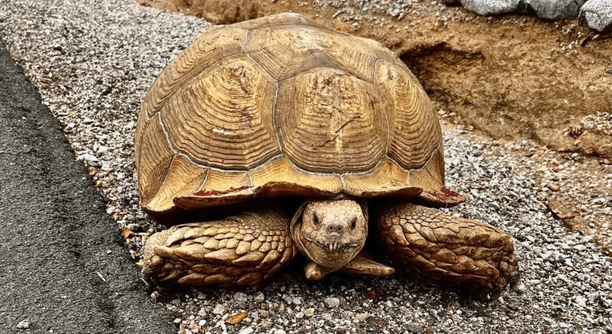
If you have a sulcata tortoise, you might have noticed it shedding its skin. This behavior can raise concerns for pet owners, especially if it happens unexpectedly. Understanding why this occurs can help you care for your tortoise better.
The shedding of skin in sulcata tortoises is a natural process, often linked to growth and changes in their environment. When the tortoise grows, it sheds old skin to make room for new growth, similar to many reptiles.
Shedding is a normal part of your tortoise’s life cycle. Knowing why it happens and how to manage it can help keep your tortoise healthy and comfortable.
Why Do Sulcata Tortoises Shed Their Skin?
Shedding skin is a natural part of a sulcata tortoise’s growth. As they grow, they outgrow their old skin, and this must be replaced to accommodate their new size. This process can happen slowly over time or in a more noticeable burst. Skin shedding is especially common during warmer months when they are more active. It’s important to understand that shedding is a sign of healthy growth, not a cause for alarm. However, factors like dehydration, inadequate humidity, or poor diet can make shedding more difficult and uncomfortable for your tortoise.
Sometimes, shedding can seem excessive or uneven. This could indicate that your tortoise is struggling with its environment. It is important to provide enough moisture, proper temperature, and a balanced diet to avoid discomfort during the process. If the shedding is abnormal, it’s worth evaluating the conditions of your tortoise’s habitat.
When your sulcata tortoise is shedding, you might notice loose patches of skin on its shell, legs, or head. These should come off naturally, but if they don’t, you may need to help with gentle exfoliation. This helps to avoid infection and discomfort.
When Should You Be Concerned?
Excessive or irregular shedding could signal a problem. If your sulcata tortoise is shedding in clumps or appears to have retained skin, it could be due to poor humidity, dehydration, or underlying health issues. Pay attention to its behavior.
If the shedding is accompanied by signs like lethargy, loss of appetite, or discolored patches, consult a veterinarian. These symptoms can point to something more serious. Skin shedding, while common, shouldn’t cause distress to your tortoise, but improper care can lead to complications. Dehydration, in particular, is often a significant factor in difficult shedding. Ensure that your tortoise has access to fresh water and a humid environment.
Dehydration and Shedding
Dehydration is one of the main reasons sulcata tortoises struggle with shedding. When your tortoise isn’t getting enough water, the skin can become dry and hard to shed. This causes uncomfortable patches or shedding that doesn’t come off easily. A dehydrated tortoise is also at risk of other health issues.
To prevent dehydration, ensure that your sulcata has access to fresh water daily. You can also increase humidity levels by misting their enclosure or adding a water dish that they can soak in. A balanced diet high in water content, such as leafy greens, can help keep them hydrated.
It’s important to watch for signs of dehydration in your tortoise. If you notice that your tortoise is not drinking or soaking in its water dish, there might be an issue. The skin may appear dry or rough, which is a clear sign that hydration levels need attention. Keeping humidity levels optimal is key to supporting healthy shedding.
Humidity Levels and Shedding
Humidity plays a large role in the health of your sulcata tortoise’s skin. If the environment is too dry, shedding may be difficult and painful. Sulcatas are naturally from arid regions, but they still require some moisture in their habitat for optimal shedding.
A humidity level between 30-50% is ideal for sulcatas. You can achieve this by providing a shallow water dish, spraying the habitat with water, or placing a humidifier near the enclosure. If your home is dry, especially in winter, these simple adjustments can make a big difference. Regular monitoring of the humidity can ensure your tortoise stays comfortable.
When humidity is too low, your tortoise may have difficulty shedding its skin properly. Dry skin can crack or become flaky, leading to health problems. Adjusting the humidity levels can help the skin come off in small, manageable pieces, preventing any discomfort or possible injury to your tortoise’s skin or shell.
Nutritional Deficiencies
A poor diet can lead to improper shedding in sulcata tortoises. Lack of certain nutrients, especially calcium and vitamin A, can affect the quality of their skin. Without proper nutrition, your tortoise may struggle to shed old skin effectively, leading to rough or patchy shedding.
To prevent nutritional deficiencies, feed your tortoise a varied diet rich in leafy greens, grasses, and some vegetables. Make sure to offer calcium-rich foods or supplements, as this will help promote healthy shell and skin growth. Vitamin A, found in foods like carrots and kale, is also essential for their overall health and shedding process.
A well-balanced diet will not only help with shedding but also boost your tortoise’s immune system and overall well-being. If your tortoise is not shedding properly, adjusting its diet may help it recover. Regularly monitor their food intake and make sure they’re eating a variety of healthy, fresh options to meet their needs.
Environmental Temperature
Temperature plays a big role in your tortoise’s ability to shed skin properly. Sulcata tortoises need a warm environment to help them regulate their metabolism and promote healthy skin shedding. If their habitat is too cold, shedding may become difficult.
Ensure your tortoise’s enclosure has a warm area with temperatures between 85°F to 95°F during the day. Use a heat lamp or basking spot to create a warm, comfortable area where they can regulate their body temperature. Cooler temperatures can cause stress, making shedding a slower process.
Stress and Shedding
Stress can impact shedding in sulcata tortoises. Any changes in their environment, handling, or diet can cause them to shed less efficiently. Reducing stress factors can help your tortoise shed in a natural, comfortable way.
FAQ
Why is my sulcata tortoise shedding in large patches?
If your sulcata tortoise is shedding in large patches, it could be a sign that the environment isn’t right for it. This could indicate issues with humidity, temperature, or hydration. It’s important to make sure your tortoise’s habitat has the right humidity levels and that it’s drinking enough water. If these conditions aren’t optimal, your tortoise may shed in chunks instead of the usual small flakes. Ensure a proper diet rich in calcium and vitamins to aid the process as well. If the problem persists, a vet visit is recommended to rule out other health issues.
How often do sulcata tortoises shed their skin?
Sulcata tortoises shed their skin periodically throughout their lives, but it typically happens more noticeably when they are younger and growing rapidly. Older tortoises may shed less frequently. The frequency also depends on their environment and overall health. It’s normal to see skin shedding as part of their growth process. However, if you notice excessive shedding or signs of distress, it’s worth checking for any underlying issues.
Is shedding painful for my sulcata tortoise?
Shedding should not be painful for your sulcata tortoise under normal circumstances. It’s a natural process that allows them to grow. However, if the skin is not shedding properly due to dehydration, malnutrition, or environmental stress, it could cause discomfort. This can make the process harder for your tortoise. If you notice your tortoise is struggling with shedding, providing extra moisture or a gentle rub on the skin can help.
What should I do if my sulcata tortoise is not shedding properly?
If your sulcata tortoise is not shedding properly, check its environment first. Ensure that the humidity, temperature, and hydration levels are appropriate. You might also want to consider improving its diet by offering more leafy greens, calcium, and vitamin A-rich foods. If the shedding is still not improving or if the tortoise shows signs of distress, it’s best to consult with a veterinarian for further advice.
Can I help my sulcata tortoise shed its skin?
You can help your tortoise shed by ensuring its habitat has proper humidity and temperature. You can also offer your tortoise a gentle soak in warm water, which can help soften and loosen any skin that may be stuck. Avoid pulling or peeling the skin off, as this can cause injury. If the skin doesn’t come off on its own, it’s important to ensure the environmental conditions are improved first. If the issue continues, a vet’s advice is needed.
How can I prevent my sulcata tortoise from shedding too often?
While shedding is natural, excessive shedding could indicate environmental issues or stress. To prevent excessive shedding, make sure your sulcata tortoise has a stable habitat with consistent humidity, temperature, and a well-balanced diet. Avoid frequent handling or changes in its environment, as these can cause stress. Regular maintenance of its habitat can help prevent problems related to shedding.
Is my sulcata tortoise shedding because of stress?
Yes, stress can contribute to irregular or problematic shedding. If your sulcata tortoise is exposed to factors like loud noises, being moved around too often, or changes in its enclosure, it can result in excessive shedding or poor skin health. Ensure that your tortoise’s environment is calm, stable, and secure to minimize stress and promote healthy skin shedding.
Can temperature fluctuations affect shedding?
Yes, temperature fluctuations can affect the shedding process. If your sulcata tortoise is exposed to temperatures that are too low, it could cause delayed or irregular shedding. Keeping a stable temperature in the basking area, as well as maintaining a warm environment in the enclosure, helps the tortoise shed naturally. Avoid drastic temperature changes that could stress out your tortoise.
What can I do if my tortoise’s skin is not shedding naturally?
If your sulcata’s skin isn’t shedding naturally, start by checking for hydration and humidity issues in its habitat. You may need to soak your tortoise in warm water to help loosen any stubborn skin. Be gentle and avoid forcibly removing the skin, as this can lead to injury. In some cases, adjusting their diet or consulting with a veterinarian may be necessary.
Why is my sulcata tortoise’s shell shedding?
Shell shedding is also a normal part of a sulcata tortoise’s growth process. The old, outer layer of the shell is periodically replaced with a new one. This process may happen slowly over time, and it usually coincides with skin shedding. However, if the shedding is excessive or you notice any damage to the shell, such as cracks or infections, a visit to the vet is recommended.
Is it normal for my sulcata tortoise to shed its skin in the winter?
While sulcata tortoises naturally shed their skin throughout the year, the shedding process may slow down during the colder months when they are less active. This could be because the cooler temperatures might reduce their metabolism. However, shedding can still occur during winter if the environment is kept warm and stable. If your tortoise is shedding too much during winter, check its habitat conditions for potential issues with humidity or temperature.
Final Thoughts
Shedding is a natural and important process for your sulcata tortoise, and understanding why it happens can help ensure your tortoise is healthy. It’s essential to know that shedding is usually linked to growth, but environmental factors like humidity, temperature, hydration, and diet play a significant role in how well the shedding process goes. When all of these factors are in balance, your tortoise will shed its skin comfortably. However, if these conditions aren’t met, it may lead to problems with shedding, causing discomfort or even health issues.
If you notice that your tortoise is shedding in large patches, struggling with skin that isn’t coming off easily, or showing other signs of distress, it’s a good idea to look at its habitat and diet. Check for proper humidity levels, appropriate temperatures, and make sure your tortoise is drinking enough water. Ensuring that your tortoise is getting the right nutrients, like calcium and vitamin A, is also important. A healthy, balanced diet will not only help with shedding but also keep your tortoise strong and thriving in the long run. Regularly monitoring your tortoise’s living conditions and making any necessary adjustments can help keep shedding problems at bay.
Lastly, if you’ve tried adjusting the environment and diet and your tortoise is still struggling with shedding, it may be time to visit a vet. A veterinarian can check for underlying health problems that could be affecting your tortoise’s shedding process. Remember, while shedding is a natural part of life for a sulcata tortoise, it’s important to stay vigilant and ensure your tortoise is comfortable and healthy throughout the process. By providing the right care and environment, you’ll help your tortoise shed naturally and stay happy for years to come.

Hello,
If you enjoy the content that we create, please consider saying a "Thank You!" by leaving a tip.
Every little bit helps us continue crafting quality advice that supports the health, happiness, and well-being of pets around the world, for pets of all shapes, sizes, and species.
We really appreciate the kindness and support that you show us!