
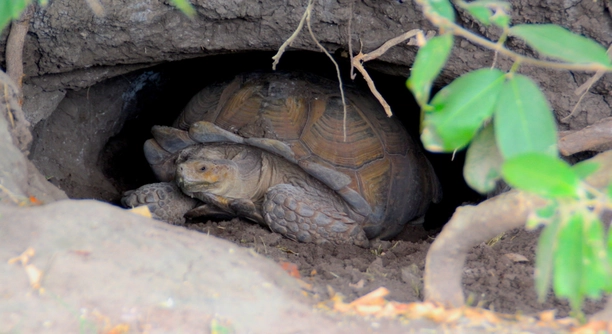
A sulcata tortoise may scrape its beak on rocks for several reasons. This behavior is not unusual and can be linked to various factors related to its environment or physical health. Understanding the cause can help manage it effectively.
Beak scraping is a natural behavior for sulcata tortoises. It can help them maintain beak health, file down overgrown parts, or express discomfort. Rocks and rough surfaces provide a way for the tortoise to keep its beak in proper condition.
Examining your tortoise’s behavior closely can help you understand why it scrapes its beak. Addressing underlying causes will improve its overall well-being.
Possible Causes for Beak Scraping
Sulcata tortoises are known for their rough behavior when it comes to their beaks. Scraping it on rocks is a common activity for them. This natural behavior can sometimes be linked to several different factors. Overgrown beaks, stress, or boredom may prompt them to scrape their beaks on hard surfaces. When a tortoise’s beak grows too long, it may not be able to wear it down naturally, which is when scraping becomes necessary. Environmental factors, such as a lack of proper enrichment or hiding spots, can contribute to this behavior. A lack of physical activity can also lead to scraping as a means of self-soothing or releasing frustration. Understanding these different factors is key to addressing the issue and ensuring your tortoise remains healthy.
Scraping can also indicate a need for better habitat conditions. Your sulcata tortoise’s beak might require maintenance due to unhealthy surroundings.
By observing your tortoise’s behavior and surroundings, you can take the steps necessary to prevent excessive beak scraping. It’s important to check if the habitat has rough areas that could be beneficial for them to interact with. In some cases, a lack of stimulation may lead to unnecessary beak scraping. By ensuring the proper diet and routine health checks, beak scraping can be minimized or avoided. Providing a variety of surfaces to climb on, along with safe chewing materials, can help satisfy their natural instincts. Introducing outdoor time or expanding their enclosure can also provide mental stimulation, reducing the chance of unwanted behaviors like beak scraping.
How to Handle Overgrown Beaks
Beak overgrowth can be caused by inadequate nutrition or a lack of opportunities to naturally wear down the beak.
If your tortoise’s beak appears overgrown, it is essential to address this promptly. Trim the beak carefully, or seek assistance from a vet if needed. Ensuring your tortoise has access to a varied and nutritious diet can prevent this issue. A proper balance of vitamins and minerals helps keep the beak healthy. Also, rough surfaces like stones and logs should be present in their environment to help naturally wear down the beak. Monitoring the growth of your tortoise’s beak is vital for its health and to avoid discomfort. By taking preventative steps and keeping your tortoise engaged, you can help maintain proper beak care.
Stress and Boredom
Stress can lead to your sulcata tortoise scraping its beak. When a tortoise feels threatened or anxious, it may display unusual behaviors.
Boredom also plays a major role. Sulcata tortoises are intelligent and active animals. Without enough space to explore or things to do, they become restless and may scrape their beaks on hard surfaces. If the environment doesn’t offer enough stimulation, it can cause a tortoise to act out by engaging in repetitive actions like scraping. Introducing enrichment, such as hiding spots or climbing structures, can reduce this behavior.
In addition to physical enrichment, social interaction is important. Tortoises can form bonds with their owners and respond to attention. If left alone for extended periods without stimulation, they may begin to show signs of stress, including beak scraping. Consider introducing new experiences into their daily routine to keep them mentally and physically active. The more interactive their environment is, the less likely they are to engage in self-soothing behaviors like beak scraping.
Habitat Conditions
If the habitat is not suitable, beak scraping can become a regular habit. Proper habitat conditions are crucial to your tortoise’s well-being.
Tortoises need a space that allows for movement and physical activity. An enclosure that is too small or lacking proper surfaces to climb on can lead to frustration. Ensure that there are areas with rocks or other rough materials where they can naturally wear down their beaks. Regularly check the temperature and humidity levels, as sulcata tortoises are sensitive to environmental changes. Maintaining proper conditions can reduce stress and promote natural behaviors, minimizing scraping.
Provide variety in your tortoise’s habitat. A diverse environment with different textures encourages activity. It can be as simple as adding more rocks or logs to climb on. The more natural it feels, the more satisfied your tortoise will be, reducing the tendency for unnecessary beak scraping.
Physical Health
Beak scraping could indicate an underlying physical issue. An injured or painful beak may cause your tortoise to scrape it against hard surfaces for relief.
Check your tortoise for any signs of swelling, cracks, or unusual growths on the beak. If there are concerns, consult a veterinarian. Regular check-ups ensure their beak is in healthy condition and free from any infections or abnormalities.
Nutritional Deficiencies
Poor nutrition may also be to blame for excessive beak scraping. Sulcata tortoises need a balanced diet to maintain proper beak health.
If they aren’t receiving enough calcium, vitamins, or minerals, their beak can become weak or overgrown. Ensure that your tortoise has access to high-quality food, including fresh greens and a calcium supplement, if needed. Proper nutrition is key to their overall health.
FAQ
Why is my sulcata tortoise scraping its beak?
Beak scraping is a natural behavior for sulcata tortoises, but it can also indicate issues like boredom, stress, overgrown beaks, or poor habitat conditions. In some cases, it may be a sign of physical health problems, including injury or infection. It’s essential to monitor the environment and provide adequate enrichment to prevent unnecessary scraping. Regular check-ups with a veterinarian can also help ensure that the beak is healthy and properly maintained.
How can I stop my tortoise from scraping its beak?
To reduce beak scraping, first ensure your tortoise has a proper habitat with rough surfaces like rocks or logs to naturally wear down the beak. Provide more space for physical activity and mental stimulation. Adding climbing structures, hiding spots, and changing up the environment regularly can help alleviate boredom and stress. Additionally, ensure your tortoise’s diet is balanced, with enough calcium and vitamins to support overall health. If the scraping persists, seek advice from a veterinarian.
How do I know if my tortoise’s beak is overgrown?
An overgrown beak often appears longer than normal or unevenly shaped. It may also show signs of cracks, chips, or discoloration. If your tortoise is having trouble eating, it could also be a sign of beak overgrowth. In such cases, trimming the beak might be necessary. Consult a veterinarian if you’re unsure about how to safely trim your tortoise’s beak.
Can beak scraping cause any harm to my tortoise?
In general, beak scraping does not cause immediate harm, but if it’s excessive or linked to an underlying health issue, it could lead to damage. Prolonged scraping can result in worn or injured beaks, making it harder for your tortoise to feed properly. If scraping is paired with other concerning symptoms like changes in eating habits, lethargy, or abnormal behavior, it’s important to consult a vet.
How often should I trim my sulcata tortoise’s beak?
Beak trimming is not typically necessary unless the beak is overgrown. Some tortoises wear their beaks naturally by foraging and interacting with rough surfaces. If your tortoise’s beak shows signs of overgrowth, trim it carefully or take it to a professional. Regular checks will help you monitor its condition.
Can poor diet cause my tortoise to scrape its beak?
Yes, poor nutrition can lead to beak issues. A diet lacking in calcium or other essential nutrients can result in an overgrown or weakened beak. Ensure that your tortoise receives a variety of vegetables, fruits, and a good source of calcium, such as cuttlebone or calcium powder, to support its overall health and prevent beak problems.
What can I do to keep my tortoise’s beak healthy?
To keep your tortoise’s beak healthy, offer a balanced diet with plenty of leafy greens, vegetables, and occasional fruit. Make sure it has access to adequate calcium. Providing opportunities to naturally wear down the beak, such as rough surfaces and a spacious habitat, is also essential. Regular vet check-ups will help maintain beak health and address any concerns early.
What types of surfaces should I include in my tortoise’s habitat?
To help prevent overgrowth and scraping, include rough surfaces like rocks, logs, or other textured materials in your tortoise’s enclosure. These surfaces allow the tortoise to naturally wear down its beak and provide necessary physical stimulation. Additionally, creating an environment with different textures and heights promotes mental engagement and overall well-being.
When should I consult a vet about my tortoise’s beak scraping?
If your tortoise’s beak scraping becomes excessive, or if you notice signs of discomfort, such as difficulty eating or an abnormally shaped beak, it’s time to consult a veterinarian. If the scraping is accompanied by other symptoms like lethargy or changes in behavior, a vet visit is essential to rule out underlying health issues.
Can stress cause long-term damage to my tortoise’s beak?
Stress can contribute to beak scraping, but unless it leads to an underlying physical issue, it typically won’t cause long-term damage. However, prolonged stress can affect your tortoise’s overall health, including its immune system. Addressing the cause of the stress, such as habitat conditions or lack of stimulation, is important to prevent future issues.
Final Thoughts
Understanding why your sulcata tortoise is scraping its beak can help address any underlying issues and improve its overall well-being. While occasional beak scraping is normal, frequent or excessive behavior could indicate stress, boredom, or health problems. It is essential to regularly monitor the conditions of your tortoise’s environment to ensure it has enough space, enrichment, and rough surfaces to naturally wear down its beak. By observing your tortoise closely, you can identify whether its beak scraping is a harmless behavior or a sign that something needs attention.
Maintaining a proper habitat is key to preventing unnecessary beak scraping. Ensure your tortoise has a variety of surfaces to interact with, such as rocks and logs, to help wear down its beak naturally. A spacious enclosure with plenty of hiding spots and climbing structures will keep your tortoise mentally stimulated and active. Additionally, providing a well-balanced diet with enough calcium and vitamins will support its beak health. If the scraping continues despite making these adjustments, it’s important to consult a veterinarian for a thorough check-up to rule out any underlying medical issues.
In the end, by providing the right environment, proper nutrition, and routine veterinary care, you can reduce the chances of your sulcata tortoise engaging in harmful beak scraping. Addressing the root cause of the behavior early on will prevent further complications and ensure your tortoise remains healthy and happy. Keep a close eye on its behavior and consult a professional when necessary. Your tortoise’s well-being depends on your ability to provide the proper care and attention it needs.

Hello,
If you enjoy the content that we create, please consider saying a "Thank You!" by leaving a tip.
Every little bit helps us continue crafting quality advice that supports the health, happiness, and well-being of pets around the world, for pets of all shapes, sizes, and species.
We really appreciate the kindness and support that you show us!