
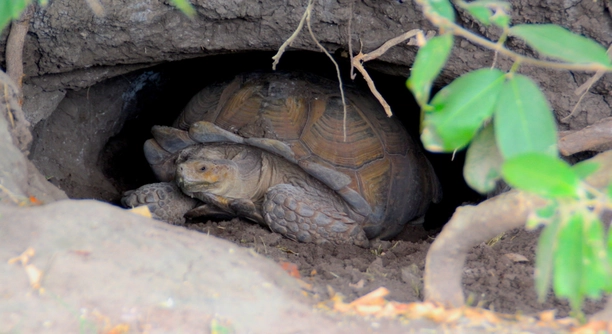
If your sulcata tortoise isn’t moving as much as usual, it could indicate an underlying issue. Understanding the reasons behind this behavior can help you address any problems and provide proper care for your tortoise.
Several factors may cause your sulcata tortoise to refuse movement, including improper temperature, dehydration, stress, or illness. It is essential to ensure its habitat is suitable, and monitor for signs of health issues to determine the cause.
Addressing these concerns early can help restore your tortoise’s health and activity. Let’s explore the common reasons behind your sulcata’s lack of movement and how to resolve them.
Temperature Issues
One of the main reasons your sulcata tortoise might refuse to move is temperature-related. These tortoises are cold-blooded, which means they rely on their environment to regulate their body temperature. If the habitat is too cold, your tortoise will become lethargic and may stop moving. Ensuring that your tortoise has access to both a warm basking spot and a cooler area within its enclosure is crucial for maintaining its health.
Sometimes, even small temperature fluctuations can have a significant impact on their behavior. If the basking spot isn’t warm enough, your tortoise might not be able to digest food properly or get enough energy to stay active. Make sure to monitor the temperature consistently.
Proper temperature management is essential for your tortoise’s overall health. Using a heat lamp for basking and a thermostat to maintain the temperature can help provide the ideal conditions for your sulcata tortoise. Regularly checking the temperature in both the warm and cool zones ensures it stays comfortable.
Dehydration
Another reason for lack of movement could be dehydration. Sulcata tortoises need access to fresh water at all times. If they don’t drink enough, they can become sluggish and avoid moving around.
Dehydration affects their digestion, energy levels, and overall behavior. A lack of water can make them feel unwell, leading to inactivity. Additionally, if they aren’t getting enough moisture from their food, it can exacerbate this issue. You can encourage drinking by providing a shallow water dish that’s easy for them to access.
Make sure to provide daily access to fresh water and offer moist food options like leafy greens. Regular hydration is important to keep them active and healthy. If you notice any signs of dehydration, such as dry skin or sunken eyes, consult a vet for advice on treatment.
Stress and Anxiety
Stress can have a significant impact on your sulcata tortoise’s activity level. Changes in its environment, such as a move to a new enclosure or the presence of other pets, can lead to anxiety. This can cause your tortoise to hide and refuse to move.
Sulcata tortoises are sensitive to their surroundings, and a sudden change in their habitat can leave them feeling stressed. Even loud noises, unfamiliar smells, or disruptions to their routine can make them retreat into their shell. Keeping their environment calm and stable will help reduce stress and encourage normal behavior.
To reduce stress, try to keep their space quiet and consistent. If there are other pets in the house, make sure your tortoise’s enclosure is secure and free from disturbances. The more familiar the environment, the less anxious your sulcata will feel. Regular interaction and a predictable routine can also help.
Health Issues
If your sulcata tortoise continues to refuse to move, it could be dealing with an underlying health issue. Common health concerns that affect their mobility include respiratory infections, shell problems, or digestive issues. A vet’s assessment will help identify the problem.
Health issues often make tortoises feel lethargic and unwilling to move. For instance, a respiratory infection can cause breathing difficulties, making your tortoise slow down. Likewise, digestive issues like impaction can result in discomfort, causing them to remain stationary. In either case, seeking professional help is vital.
A timely visit to the vet can make a big difference in identifying and treating health issues. The longer you wait, the more difficult it may be to treat the condition. If you notice other symptoms, such as swelling or abnormal shell growth, take your tortoise to the vet for a thorough examination.
Inadequate Diet
An improper diet can lead to a lack of energy in your sulcata tortoise. If it’s not receiving the right nutrients, it may not feel motivated to move or be active. A balanced diet is crucial for maintaining energy levels.
Sulcata tortoises need a variety of grasses, hay, and leafy greens to stay healthy. Feeding them too many fruits or high-protein foods can cause imbalances. Without proper nutrition, they can become sluggish and less active. Ensuring your tortoise gets the right foods will help improve its energy levels and movement.
Overfeeding
Overfeeding can lead to weight gain, which may affect your sulcata tortoise’s mobility. Excessive food intake can cause them to become lethargic and less inclined to move around. It’s important to regulate their portions to prevent this.
Overfeeding can also result in digestive problems, adding to the lethargy. Keeping an eye on how much food they’re eating will help maintain a healthy weight and encourage them to be more active. Make sure to provide appropriate portions and avoid offering too much at once.
Environmental Factors
Your sulcata tortoise’s enclosure should offer both shade and sunlight to keep it healthy. If the environment is too hot, too cold, or lacks proper light, it can lead to lethargy.
FAQ
Why is my sulcata tortoise not moving?
There are several reasons why your sulcata tortoise may not be moving. It could be due to environmental factors, such as improper temperature or lack of space to roam. Stress, dehydration, or health issues like infections or digestive problems can also cause inactivity. Checking the temperature, ensuring it has a comfortable habitat, and making sure it’s hydrated are the first steps to take.
How can I make sure my sulcata tortoise has the right temperature?
To maintain the right temperature for your sulcata tortoise, ensure that the basking spot is around 95 to 100°F, with a cooler area at about 75°F. Using a heat lamp is effective for maintaining a warm area, but also provide a shaded space for cooling down. Regularly check the temperature with a reliable thermometer to avoid fluctuations that could stress your tortoise.
How often should I feed my sulcata tortoise?
A healthy sulcata tortoise typically eats once a day, but the amount depends on its age and size. Adult tortoises should be fed high-fiber grasses, hay, and leafy greens, avoiding excessive fruits and proteins. Overfeeding can lead to obesity, which might cause it to be less active. Monitor its diet to maintain a healthy weight and support natural movement.
What should I do if my tortoise isn’t eating?
If your tortoise refuses to eat, it could be a sign of stress, illness, or poor living conditions. First, check the temperature and humidity levels in its enclosure. If the conditions are correct and your tortoise still refuses food, it may be a health concern. Consult a vet if the refusal to eat continues for several days.
Can my tortoise get too hot or too cold?
Yes, sulcata tortoises are highly sensitive to temperature extremes. If the environment is too hot or too cold, your tortoise can become stressed, lethargic, or even ill. Ensure the temperature is within the recommended range of 75°F to 100°F in different areas of its habitat. A temperature drop below 70°F or above 105°F can cause serious health issues.
Is my sulcata tortoise stressed?
Stress in sulcata tortoises can manifest as reduced movement, hiding, or refusing to eat. Possible stressors include changes in their environment, the presence of other pets, or loud noises. To reduce stress, keep their living space quiet, secure, and consistent. Routine interactions and a stable environment help your tortoise feel safe.
What are the signs of dehydration in my tortoise?
Dehydration can cause lethargy, sunken eyes, dry skin, and a lack of appetite. Ensure your sulcata tortoise always has access to fresh water, and offer moist vegetables like leafy greens to help maintain hydration. If you notice signs of dehydration, increase water availability and consult a vet for further care.
How do I help my tortoise digest food properly?
Proper digestion is vital for your tortoise’s health. Make sure it has access to a high-fiber diet, including grasses and hay, to support digestion. A warm basking spot aids in digestion by providing necessary heat. Ensure your tortoise is drinking enough water as dehydration can lead to digestive issues.
What if my tortoise is not moving after a recent relocation?
A tortoise that isn’t moving after being relocated might be stressed due to the change. They can take time to adjust to new environments. Ensure the new habitat is secure, quiet, and comfortable. Give your tortoise some time to settle, and make sure the temperature and humidity levels are correct.
How can I prevent my tortoise from becoming overweight?
To prevent your sulcata tortoise from becoming overweight, control its diet and provide proper exercise. Avoid overfeeding and monitor its weight regularly. Offering a variety of high-fiber plants and avoiding high-protein foods like fruits and vegetables will help maintain a healthy weight and support its natural movement.
Should I be concerned if my tortoise is hiding often?
Hiding can be a normal behavior, especially if your tortoise feels unsafe or is adjusting to new surroundings. However, if it’s hiding for extended periods, it could be due to stress, illness, or discomfort. Check the temperature, humidity, and diet to rule out environmental causes. If the behavior persists, consider consulting a vet.
Can health issues cause my sulcata tortoise to stop moving?
Yes, health issues like respiratory infections, shell problems, or impaction can cause a sulcata tortoise to stop moving. Infections can lead to lethargy and discomfort, while impaction can cause pain, making movement difficult. If you notice signs of illness, such as swelling, abnormal shell growth, or wheezing, seek professional help promptly.
How can I encourage my tortoise to move more?
To encourage movement, ensure your sulcata tortoise has enough space to roam, and offer a variety of textures and surfaces for walking. A larger enclosure with different areas for basking, hiding, and roaming will naturally promote movement. Additionally, providing proper nutrition, hydration, and a consistent routine will help maintain healthy activity levels.
Final Thoughts
In summary, if your sulcata tortoise is refusing to move, it’s important to consider a variety of factors that could be contributing to this behavior. Environmental conditions such as improper temperature, inadequate lighting, or a lack of space can make your tortoise feel uncomfortable, leading to reduced activity. Ensuring your tortoise has a proper habitat that offers both warm and cooler areas, along with plenty of space to roam, will help keep it active. It is also important to make sure the enclosure is secure and free from any stress-inducing elements such as other pets or loud noises.
A balanced diet is another key factor in encouraging movement. If your sulcata tortoise isn’t getting the right nutrition, it may lack the energy required to move around. High-fiber grasses, hay, and leafy greens are essential for maintaining its energy levels and overall health. Overfeeding or offering foods that are high in sugar and fat can contribute to sluggishness or even obesity, which can further limit movement. Always aim to feed your tortoise in moderation, with appropriate portions, and monitor its weight to ensure it stays active and healthy.
Lastly, if you have addressed these environmental and dietary concerns and your tortoise is still not moving, it may be time to consult a veterinarian. Health issues like infections, dehydration, or digestive problems can also cause lethargy. A vet can help identify any underlying medical conditions and offer treatment options to restore your tortoise’s health and energy. Taking these steps will not only help resolve the issue of inactivity but will also promote long-term well-being for your sulcata tortoise. By providing a proper environment, a healthy diet, and appropriate medical care when needed, you can ensure that your tortoise lives a happy, active life.

Hello,
If you enjoy the content that we create, please consider saying a "Thank You!" by leaving a tip.
Every little bit helps us continue crafting quality advice that supports the health, happiness, and well-being of pets around the world, for pets of all shapes, sizes, and species.
We really appreciate the kindness and support that you show us!