
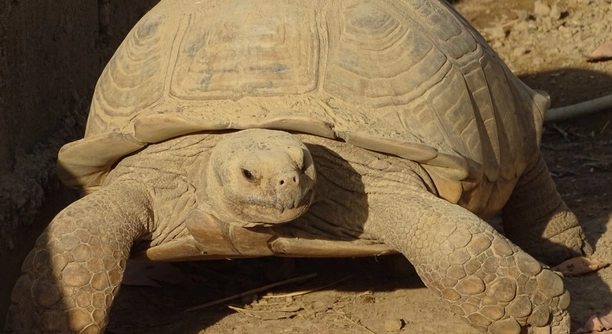
A sulcata tortoise refusing to bask can be concerning for pet owners. It may be related to various environmental, health, or behavioral factors. Understanding the causes behind this behavior can help you take the right steps to support your tortoise.
The main reason a sulcata tortoise refuses to bask could be an improper environmental setup. This includes inadequate temperatures, lighting, or humidity, which can cause stress and discomfort, leading to a refusal to bask.
Proper adjustments to its habitat can help address the issue. By ensuring correct temperatures and lighting, you can encourage your tortoise to bask and maintain its health.
Environmental Factors Affecting Your Tortoise’s Behavior
The environment plays a significant role in your sulcata tortoise’s well-being. These tortoises need specific conditions to feel comfortable and healthy. If the basking area isn’t warm enough or if the lighting is inadequate, your tortoise may avoid basking. Sulcata tortoises rely on heat to regulate their body temperature, and if the basking area is too cold, they may not be able to absorb enough warmth. Similarly, improper UVB lighting can affect their metabolism and calcium absorption, leading to reluctance in basking.
In addition, the humidity in their habitat also influences basking behavior. If the air is too dry, it can cause respiratory issues or discomfort, discouraging your tortoise from basking.
To ensure optimal conditions, use a thermometer and humidity gauge to monitor your tortoise’s habitat. Adjust the basking light to provide consistent warmth and check the UVB bulbs regularly. A well-maintained environment encourages your sulcata tortoise to bask and stay healthy.
Health Concerns and Your Tortoise
Illness can also prevent your sulcata tortoise from basking.
If your tortoise isn’t basking, it may be feeling unwell. Conditions such as respiratory infections, parasites, or even vitamin deficiencies can cause lethargy, which leads to reduced basking time. When your tortoise doesn’t feel well, it will seek shelter and avoid basking to conserve energy. In such cases, it’s important to monitor for other signs of illness, such as changes in appetite, behavior, or feces.
Regular veterinary checkups are essential for early detection of health issues. If you notice any unusual signs, take your sulcata tortoise to a vet experienced with reptiles. A timely diagnosis and proper treatment will ensure that your tortoise recovers and returns to basking. Even minor health concerns, if left unchecked, can escalate and lead to further discomfort. It’s always better to address health problems early rather than later.
Stress and Tortoise Behavior
Stress can cause your sulcata tortoise to avoid basking.
When your tortoise feels stressed, it may withdraw from its usual activities, including basking. Stressors can include loud noises, sudden temperature fluctuations, or changes in its routine. Even a new pet or a move to a different enclosure can cause discomfort and stress.
To minimize stress, keep your tortoise’s environment stable and predictable. Avoid handling it too often, especially when it’s adjusting to new surroundings. Also, try to place its enclosure in a quiet, calm area of your home where it won’t be disturbed by sudden movements or loud sounds.
Diet and Basking
What your tortoise eats can also affect its energy levels and behavior.
A poor diet can lead to a lack of energy, which can make your tortoise less inclined to bask. Sulcata tortoises require a diet high in fiber, such as grasses and hay, to maintain proper digestion and energy levels. If your tortoise is not getting the right nutrients, it may become sluggish and avoid basking.
In addition, insufficient calcium intake can lead to health issues, affecting basking behavior. Ensure that your tortoise has access to fresh food and a calcium supplement if necessary. A balanced diet will help support its natural behaviors, including basking.
Lighting and Heating Issues
Incorrect lighting or heating can affect your sulcata tortoise’s behavior.
Without the proper lighting and heat, your tortoise may not feel comfortable enough to bask. Ensure the basking area is warm enough, typically between 95°F and 100°F. UVB lighting should also be present, as it helps with calcium absorption and overall health.
Make sure to replace UVB bulbs regularly, as they lose effectiveness over time. A heat lamp should be placed in a spot that allows your tortoise to regulate its temperature by moving closer or farther away.
Substrate and Basking Area
The substrate or surface your tortoise basks on can make a difference.
A smooth or uncomfortable surface can discourage basking, as it may not feel safe or cozy for your tortoise. Providing a soft, dry area with some natural elements like rocks or logs can help your tortoise feel more secure.
A suitable basking area with the right substrate encourages your tortoise to spend time in its basking spot, promoting better health and energy levels.
FAQ
Why isn’t my sulcata tortoise basking anymore?
A sulcata tortoise may stop basking due to improper environmental conditions, health issues, stress, or insufficient lighting. Temperature, humidity, and UVB light levels must be optimal. If these conditions aren’t met, your tortoise may seek shelter and avoid basking. Stress from changes in its environment or diet may also be a factor.
What temperature should my sulcata tortoise bask in?
The basking area should be between 95°F and 100°F. This allows your tortoise to properly regulate its body temperature, which is crucial for its health. The area should be warm enough for it to absorb heat and stay active.
How often should I change the UVB light for my tortoise?
UVB bulbs lose effectiveness over time, even if they still appear to be working. It’s recommended to replace the UVB bulb every 6 to 12 months, depending on the type of bulb used. Regular bulb changes help maintain proper lighting levels for calcium absorption.
Can stress cause a sulcata tortoise to stop basking?
Yes, stress can discourage basking. Stressful factors include sudden temperature changes, loud noises, or new additions to the environment. If your tortoise is stressed, it may avoid basking and other normal behaviors.
How do I know if my tortoise is sick?
Signs of illness in a sulcata tortoise include lethargy, loss of appetite, irregular feces, or unusual behavior like avoiding basking. If these symptoms appear, it’s best to consult a reptile vet to diagnose any potential health problems early.
Can a poor diet affect my tortoise’s basking behavior?
Yes, an improper diet can lead to a lack of energy, causing your tortoise to avoid basking. Sulcata tortoises need a high-fiber diet consisting of grasses and hay. Inadequate calcium intake can also affect its behavior and health.
What should I feed my sulcata tortoise?
A sulcata tortoise’s diet should primarily consist of grasses and hay, which provide fiber. Fresh vegetables like leafy greens can be offered in moderation. Calcium supplementation is also essential for bone health, especially if it doesn’t have access to natural sunlight.
Is humidity important for my tortoise’s basking?
Yes, humidity levels are crucial. Too much humidity can cause respiratory issues, while too little can lead to skin problems. Maintain a balance, with humidity around 50-60%, to ensure your tortoise stays healthy and comfortable.
What type of substrate is best for sulcata tortoises?
The best substrate for sulcata tortoises includes natural materials like organic soil, coconut coir, or a sand-soil mix. Avoid using pine or cedar shavings, as they can be harmful. The substrate should be dry and allow your tortoise to burrow or rest comfortably.
How can I encourage my tortoise to bask more?
Ensure your tortoise’s basking area is at the right temperature with proper UVB lighting. Make the area comfortable with soft bedding, rocks, or logs for support. Also, minimize stress by keeping its environment stable and avoiding excessive handling.
Can my tortoise overheat while basking?
Yes, if the basking area is too hot, your tortoise can overheat. This can lead to dehydration and stress. Make sure the basking spot is within the recommended temperature range and provide cooler areas in the enclosure for your tortoise to retreat to if needed.
Is it normal for a sulcata tortoise to stop basking at night?
Yes, it’s normal for sulcata tortoises to stop basking at night. They are diurnal, meaning they are active during the day and sleep at night. As long as the environment is correct during the day, your tortoise will resume basking when it’s active again.
Can I use a heat lamp to help my tortoise bask?
Yes, a heat lamp is essential for providing the right temperature in the basking area. Ensure the heat lamp is positioned correctly, so your tortoise can regulate its body temperature. It’s important to have a day/night cycle for your tortoise to follow.
Why is my tortoise hiding instead of basking?
Hiding may be a sign of stress or discomfort, possibly due to improper environmental conditions, health problems, or an overwhelming habitat. Check the temperature, lighting, and humidity levels, and observe your tortoise for signs of illness.
Should I offer water near the basking area?
Yes, your tortoise should have access to fresh water at all times. While it may not drink as often as other reptiles, it’s important to keep water nearby. You can also occasionally soak your tortoise to help with hydration and prevent dehydration.
What type of lighting should I use for my sulcata tortoise?
Sulcata tortoises need both UVA and UVB lighting to stay healthy. UVA light helps with overall activity, while UVB light is crucial for calcium metabolism. Use a reptile-specific UVB bulb, and make sure it’s positioned properly to cover the basking area.
Final Thoughts
Basking is an essential behavior for sulcata tortoises, as it helps them maintain proper body temperature and absorb necessary UVB light for their health. If your tortoise is refusing to bask, it’s crucial to look at the environmental factors that could be affecting its behavior. Temperature, humidity, lighting, and substrate all play a role in making the basking area inviting and suitable for your tortoise. Ensuring that all these factors are in the right range is the first step in addressing the issue.
In some cases, stress or illness may be contributing to the lack of basking. A sudden change in environment, loud noises, or handling could cause your tortoise to seek shelter and avoid basking. Likewise, health problems may lead to lethargy or avoidance of basking spots. It’s important to observe your tortoise for signs of illness, such as changes in eating habits, lethargy, or abnormal behavior. If you suspect your tortoise may be unwell, seeking veterinary advice is essential for early diagnosis and treatment.
By paying attention to the overall well-being of your tortoise and addressing any potential issues with its basking environment, you can help restore healthy behaviors. Make sure the basking area has proper lighting and temperature, with enough space for your tortoise to feel secure and comfortable. Regularly check for any stress factors, and monitor your tortoise’s health to catch any problems early. A happy and healthy tortoise will bask regularly, which is a good sign of its well-being.

Hello,
If you enjoy the content that we create, please consider saying a "Thank You!" by leaving a tip.
Every little bit helps us continue crafting quality advice that supports the health, happiness, and well-being of pets around the world, for pets of all shapes, sizes, and species.
We really appreciate the kindness and support that you show us!