
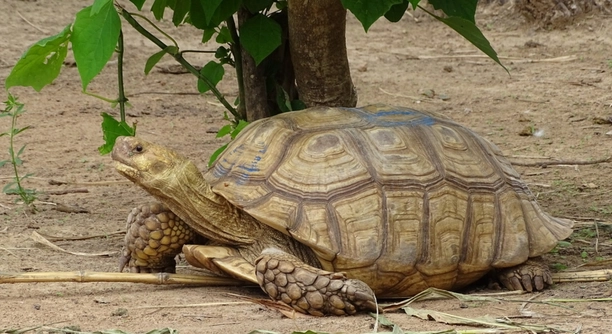
If you have a Sulcata tortoise, you may be concerned when it refuses to drink water. This behavior can be a sign of an underlying issue, but understanding why it happens can help you solve the problem.
The most common reasons your Sulcata tortoise may not be drinking water include dehydration, stress, or an improper habitat setup. Factors such as temperature, humidity, and diet also contribute to their water intake.
We will discuss several reasons behind this issue and provide practical solutions to help your tortoise stay hydrated and healthy.
Dehydration and Lack of Water Intake
One of the most obvious reasons your Sulcata tortoise might not be drinking water is dehydration. In their natural habitat, these tortoises receive moisture from the plants they eat. If their diet lacks enough water-rich food or if they aren’t being offered water regularly, dehydration can occur. A dehydrated tortoise may not show immediate signs, but it can affect their overall health, including their digestive and immune systems. Dehydration can also cause them to appear lethargic or have dry, sunken eyes.
To prevent dehydration, offer fresh water daily in a shallow dish. Make sure the water is easily accessible and clean. Tortoises are not always quick to drink, but they will if given enough time. Check for signs of dehydration regularly, such as dry skin or a lack of appetite, which may indicate the need for extra hydration.
Offering water isn’t always enough, though. A humid environment is crucial for Sulcata tortoises to thrive. In addition to offering water, ensure that their enclosure has proper humidity levels. A humidity level between 50-60% is ideal. If the air is too dry, it may discourage them from drinking. Keeping a consistent temperature in their enclosure will also help them stay hydrated.
Stress and Environment
Stress can prevent a tortoise from drinking water. A new environment, sudden changes, or even the presence of other animals can cause anxiety, leading to a lack of water intake.
If your tortoise seems stressed, observe their behavior closely. Make sure their enclosure is quiet, calm, and free from sudden movements or loud noises. Allow them to settle into their habitat before introducing anything new, like toys or other pets.
Changes in their surroundings can be a lot for a Sulcata tortoise to adjust to. They need time and patience. In stressful situations, the water they are offered may be ignored, and their behavior can become more reserved. A comfortable, familiar space is essential for encouraging hydration and other healthy behaviors. It’s important to be consistent and give your tortoise time to adapt to their environment.
Improper Habitat Conditions
If your Sulcata tortoise isn’t drinking water, their habitat may not be set up correctly. This includes the wrong temperature, lighting, or humidity levels. If their environment isn’t within the proper range, it can discourage them from drinking or even cause them stress.
Tortoises need a basking spot with a temperature of around 95°F and a cooler side of the enclosure for them to regulate their body heat. Proper lighting is also essential, as UVB rays are necessary for their overall health. If these conditions aren’t met, your tortoise might not feel comfortable enough to drink or stay hydrated.
In addition, the humidity in the enclosure is crucial. Sulcata tortoises come from arid climates but still need a certain level of humidity, especially during shedding. Keeping the air too dry will affect their skin and make them less likely to drink. Use a humidity gauge to ensure it’s in the right range.
Diet and Hydration
What your Sulcata tortoise eats affects its hydration levels. A diet that is too dry, lacking in water-rich foods, will make it harder for them to stay hydrated. Feeding them leafy greens like kale, collard greens, and dandelion leaves provides essential moisture that can help.
Including water-rich vegetables like cucumbers, squash, and bell peppers in their diet can also encourage hydration. These foods not only offer hydration but also provide necessary vitamins and minerals. Make sure to offer these foods regularly, especially if your tortoise isn’t drinking enough water on its own. Their diet should be well-balanced to maintain their health.
If you’re concerned your tortoise isn’t drinking enough, keep track of how much water they are consuming and adjust their diet. Sometimes providing these foods will be enough to ensure they are properly hydrated. This approach can help them stay healthy even when they refuse to drink from their water dish.
Health Issues
If your tortoise isn’t drinking water, it might be a sign of an underlying health issue. Conditions like kidney problems, respiratory infections, or metabolic bone disease can lead to dehydration or loss of appetite, both of which can make drinking water difficult.
A sick tortoise will often show other symptoms, such as lethargy, weight loss, or changes in their shell. If these signs accompany the lack of water intake, it’s important to consult a vet. Timely treatment can help prevent further health problems. Always monitor your tortoise’s overall health, as changes in their behavior might indicate a medical issue that needs attention.
Improper Water Dish
Your tortoise may avoid drinking water simply because the dish isn’t suitable. A water dish that’s too deep or too shallow can make it difficult for your tortoise to drink properly.
Make sure the water dish is shallow and wide enough for your tortoise to comfortably reach the water. This will allow them to drink without difficulty. Keep the water clean and change it regularly to encourage hydration. Tortoises tend to avoid dirty water, so a clean dish can make a significant difference.
FAQ
Why isn’t my Sulcata tortoise drinking water?
There are several reasons your Sulcata tortoise may not be drinking water. The most common causes include dehydration, stress, improper habitat conditions, or health issues. Make sure their enclosure is well-maintained with proper humidity, temperature, and lighting. Stress from changes in their environment or interactions with other pets can also lead to a refusal to drink. If there are signs of illness, such as lethargy or a loss of appetite, it’s crucial to seek veterinary help.
How can I encourage my tortoise to drink water?
To encourage your tortoise to drink, start by offering fresh water daily in a shallow dish. Ensure the dish is easy for them to access. Some tortoises might not drink right away, but offering water regularly will help. You can also try misting the enclosure to increase humidity or soak your tortoise in shallow water for a few minutes to encourage them to drink. Additionally, including water-rich foods like cucumbers or leafy greens in their diet can help with hydration.
Can my Sulcata tortoise go without water for a long time?
Sulcata tortoises can go without water for a while due to their ability to store water in their bodies, but prolonged dehydration can be dangerous. Over time, dehydration can cause serious health problems, including kidney failure. It’s important to offer them water regularly and keep their environment properly hydrated. If you notice signs of dehydration, such as dry skin, lethargy, or sunken eyes, take immediate action to ensure they get the hydration they need.
What signs should I look for if my tortoise is dehydrated?
Dehydration in Sulcata tortoises can show in several ways. Common signs include dry, flaky skin, sunken eyes, lack of appetite, and a generally sluggish or lethargic demeanor. In more severe cases, they may have trouble moving or appear weak. If you observe any of these symptoms, increase their water intake immediately and consider soaking them in a shallow dish of water. If dehydration persists or worsens, consult a vet.
How often should I change my tortoise’s water?
Water should be changed daily to ensure it remains clean and fresh. Tortoises are very sensitive to dirty water, and a stagnant or contaminated dish may deter them from drinking. Clean the dish thoroughly each time you replace the water to prevent any buildup of bacteria. Keeping their water clean will encourage your tortoise to drink more often.
What is the ideal humidity level for my Sulcata tortoise?
While Sulcata tortoises are native to arid regions, they still require a certain level of humidity to stay healthy. The ideal humidity level should range between 50-60%. A humidity level that’s too low can make your tortoise uncomfortable and affect its water intake. Use a humidity gauge to monitor the levels in the enclosure and adjust as needed by misting or adding a water dish. Proper humidity will help with their skin health and overall well-being.
Should I offer my tortoise water by soaking it?
Soaking your tortoise in shallow water can be beneficial, especially if it’s refusing to drink from its dish. Gently place your tortoise in a shallow container of lukewarm water, just deep enough to cover their legs. This helps hydrate them directly through absorption. Soak your tortoise for about 20 minutes a couple of times a week. Be sure not to leave them in water for too long, as this can cause stress.
Can stress cause my tortoise not to drink?
Yes, stress can definitely impact your Sulcata tortoise’s hydration habits. Stress can be caused by several factors, including changes in their environment, noisy surroundings, or the presence of other pets. A stressed tortoise may avoid drinking water, and it may also exhibit other signs of stress, like hiding, aggression, or not eating. To reduce stress, ensure their enclosure is calm and quiet, and avoid introducing new pets or changes too quickly.
Can my tortoise drink too much water?
While it’s rare, drinking too much water can be a sign of an underlying health issue. If your tortoise is drinking excessive amounts of water, it could indicate kidney problems or another health concern. A healthy tortoise will drink when thirsty but should not be constantly drinking large amounts of water. If you notice unusual drinking behavior, consult a vet to rule out any potential health problems.
Is it okay to let my tortoise drink from a puddle or outside water source?
It’s not recommended to let your tortoise drink from puddles or outside water sources. These can be contaminated with bacteria, parasites, or chemicals that could harm your tortoise. Always provide fresh, clean water in a controlled environment, such as a dish within their enclosure. Keeping the water source clean is crucial for their health and hydration.
What should I do if my tortoise refuses to eat and drink?
If your tortoise refuses both food and water, it’s important to take action immediately. This could be a sign of illness or extreme stress. Start by checking their environment to ensure it’s properly set up, with the correct temperature, humidity, and lighting. Offer water and food regularly, and consider soaking your tortoise to provide hydration. If the refusal continues or your tortoise shows other symptoms like lethargy or weight loss, contact a vet for advice.
Final Thoughts
When your Sulcata tortoise isn’t drinking water, it can be concerning, but it’s important to understand the reasons behind it. The cause could be something as simple as dehydration or stress, but it could also point to more serious issues such as improper habitat conditions or health problems. Keeping an eye on your tortoise’s overall well-being is crucial. A lack of hydration should never be ignored, as it can lead to serious health complications over time. Regularly offering fresh water and maintaining the proper conditions in their enclosure will help ensure they stay hydrated and healthy.
It’s also essential to understand that tortoises can be a bit slow when it comes to drinking. Unlike some pets that readily drink water, tortoises might take their time. Providing them with a shallow dish that is easily accessible and ensuring their living space has the right temperature and humidity levels can encourage them to drink more. If your tortoise still isn’t drinking, consider soaking them in lukewarm water to help them hydrate directly. This method is especially helpful if they seem too stressed or unwilling to drink from their dish.
Lastly, always monitor your tortoise for signs of dehydration or illness. If they seem lethargic, have sunken eyes, or aren’t eating, these may be warning signs that something is wrong. Keep track of their water intake and overall behavior. If you notice any concerning changes, don’t hesitate to seek help from a vet. Your Sulcata tortoise’s health is a priority, and understanding their needs will go a long way in ensuring they live a long and healthy life.

Hello,
If you enjoy the content that we create, please consider saying a "Thank You!" by leaving a tip.
Every little bit helps us continue crafting quality advice that supports the health, happiness, and well-being of pets around the world, for pets of all shapes, sizes, and species.
We really appreciate the kindness and support that you show us!