
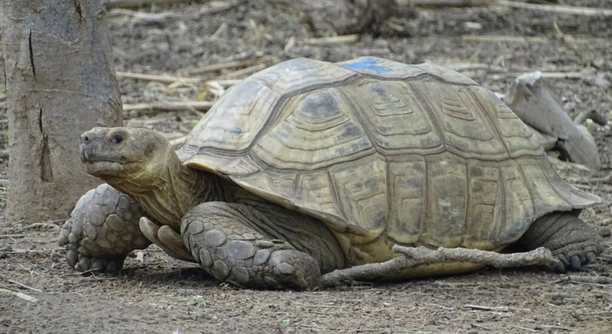
Sulcata tortoises are known for their calm and gentle nature, but sometimes they make clicking noises. If you’re noticing this sound, it could be concerning. Understanding why this happens can help ensure your tortoise’s well-being.
Clicking noises in sulcata tortoises are often caused by respiratory issues, such as respiratory infections or nasal congestion. These conditions may cause discomfort, leading to the noises. It’s important to monitor your tortoise’s overall health to detect any signs of illness.
Identifying the cause early can help prevent further complications. We’ll walk you through what to check and how to address these sounds in your tortoise.
Why Do Sulcata Tortoises Make Clicking Noises?
Sulcata tortoises are generally quiet creatures, but the clicking noises they make can be a sign that something’s wrong. These sounds can sometimes come from respiratory issues like a nasal or respiratory infection. Tortoises, just like other reptiles, can be sensitive to their environment. Changes in temperature, humidity, or even stress can lead to health problems. When a tortoise has difficulty breathing, it may release these clicking or popping sounds. It’s important to pay attention to these sounds, as they may indicate that your tortoise is struggling to breathe or feeling unwell. Addressing this early can help prevent long-term health issues.
If you notice any other signs like lethargy, loss of appetite, or excessive mucus, it’s time to act quickly. A visit to the vet can help confirm if there’s a respiratory infection or something else causing the noise.
Monitoring your tortoise’s habitat and behavior is key. Keeping the environment stable and checking for any unusual symptoms will help you catch issues early. The more you know, the better you can care for your pet and ensure its health.
How to Identify Respiratory Infections in Your Tortoise
Respiratory infections are one of the most common reasons for clicking noises. These infections are usually caused by bacteria or fungi.
Infections can lead to other symptoms such as nasal discharge, wheezing, and difficulty eating. If left untreated, these issues can become severe and even fatal. Ensure that your sulcata tortoise’s living space is warm, dry, and clean to reduce the risk of these infections. Poor humidity levels or cold temperatures can weaken their immune system, making them more prone to illness. To help your tortoise recover, it’s vital to provide a stable environment and see a vet for proper diagnosis and treatment.
Acting early can prevent further complications and improve your pet’s overall health.
Temperature and Humidity Levels Matter
If your sulcata tortoise is making clicking noises, it could be related to the temperature or humidity levels in its habitat. Both factors play a crucial role in maintaining a tortoise’s health. Too much or too little of either can lead to respiratory problems.
Sulcata tortoises need a warm environment with specific humidity levels to stay healthy. The ideal temperature should range from 85°F to 95°F during the day, with a cooler spot between 70°F and 75°F at night. Humidity should stay between 30% and 50%. If either of these is off, your tortoise can become stressed and more vulnerable to respiratory issues. Ensure the enclosure has a heat source, like a basking light, and check humidity levels regularly with a hygrometer.
Setting up your tortoise’s environment correctly helps maintain its immune system. When temperature and humidity levels are stable, your sulcata will be much less likely to develop respiratory issues. Make sure to adjust the environment as needed, especially during seasonal changes, to keep your tortoise comfortable and healthy.
Stress Can Affect Your Tortoise’s Health
Stress is another possible reason for the clicking sounds. When sulcata tortoises feel stressed, their immune system can weaken, making them more susceptible to respiratory issues. Stress can come from many things, including loud noises, overcrowding, or changes in the tortoise’s routine.
To reduce stress, ensure your tortoise has a quiet and peaceful space to thrive. Avoid placing the enclosure in high-traffic areas where people or pets might disturb it. A good amount of space is essential, as overcrowding can also make them feel uneasy. Keeping a consistent routine with feeding and handling is also helpful. Sudden changes can confuse or frighten your tortoise, leading to increased stress.
Addressing stress factors early on can prevent other health issues from arising. Taking the time to understand your tortoise’s environment and behavior will help you create a stable, peaceful home for your pet.
Is Your Tortoise Eating Well?
A lack of appetite in a sulcata tortoise can lead to stress and weak immunity, which may contribute to respiratory problems. Make sure your tortoise is eating a balanced diet.
If your tortoise stops eating or shows less interest in food, it could be a sign of illness or environmental stress. A well-balanced diet rich in fiber, calcium, and vitamins is essential for keeping your tortoise healthy. If your pet isn’t eating, check the enclosure’s conditions or consult a vet. Proper feeding habits can keep your tortoise strong and help prevent respiratory issues.
Regular Vet Check-ups
A vet visit is important for maintaining your sulcata tortoise’s health. Routine check-ups help detect early signs of illness and ensure your tortoise’s overall well-being.
Even if your tortoise seems healthy, regular vet check-ups can catch potential issues before they become severe. A vet can also provide specific advice on your tortoise’s care and environment. Regular health assessments help maintain a long, healthy life for your pet and reduce the risks associated with infections or other health problems.
FAQ
Why is my sulcata tortoise making clicking noises?
Clicking noises are often a sign of respiratory problems. These sounds can be caused by an infection or congestion in your tortoise’s airways. If you notice clicking, along with other symptoms like nasal discharge, wheezing, or lethargy, it’s crucial to take your tortoise to the vet for a check-up. Respiratory infections are treatable if caught early, but they can become more severe if left unchecked.
How can I tell if my tortoise has a respiratory infection?
Respiratory infections in sulcata tortoises often present as wheezing, nasal discharge, and coughing. You might also notice changes in behavior, like a decrease in activity or appetite. If your tortoise is having trouble breathing or seems uncomfortable, it’s important to see a vet immediately. A respiratory infection can affect your tortoise’s overall health, so addressing it early is key.
Can stress cause my tortoise to make clicking noises?
Yes, stress can affect your tortoise’s health and may contribute to respiratory issues. If your tortoise is in an environment where it feels threatened or uncomfortable, it might develop stress-related health problems. Things like loud noises, overcrowded spaces, or sudden changes in its routine can cause stress. Keeping your tortoise’s habitat peaceful and stable will help prevent stress and reduce the risk of health problems.
What is the best way to care for my sulcata tortoise to prevent respiratory issues?
Maintaining a stable environment is essential to preventing respiratory problems. Ensure that your tortoise’s habitat has the right temperature and humidity levels. Keep the enclosure clean, provide a balanced diet, and avoid exposing your tortoise to drafts or cold temperatures. Regular vet visits are also important to monitor your tortoise’s health. If any unusual symptoms appear, it’s best to address them immediately.
Can a dry environment cause clicking noises in my tortoise?
Yes, a dry environment can contribute to respiratory problems in your sulcata tortoise. These tortoises require a certain level of humidity to stay healthy. If the air is too dry, it can lead to respiratory distress and may cause clicking sounds as your tortoise tries to breathe. Make sure your tortoise’s enclosure has proper humidity, and consider using a humidifier or spraying the enclosure with water if necessary.
How can I tell if my tortoise is stressed?
Stress in sulcata tortoises can manifest in several ways. A stressed tortoise may become less active, lose its appetite, or become more aggressive. It might also start to make noises like clicking. If your tortoise is showing signs of stress, evaluate its environment for possible stressors such as overcrowding, loud noises, or uncomfortable temperatures. Reducing stress can help improve your tortoise’s health and prevent further issues.
Is it normal for my tortoise to make sounds when eating or drinking?
It’s normal for a tortoise to make some sounds while eating, such as crunching or chewing, but persistent clicking or wheezing is not. If the sounds continue beyond eating or drinking, it may indicate an issue with the respiratory system. Always monitor your tortoise for other signs of illness, such as changes in eating habits or behavior. If you notice anything unusual, a vet visit is recommended.
Can my sulcata tortoise recover from a respiratory infection?
Yes, sulcata tortoises can recover from respiratory infections if they are treated early. A vet will likely prescribe antibiotics or other treatments to help clear the infection. In addition to medical treatment, providing a stable, warm environment is essential to your tortoise’s recovery. Ensure the humidity and temperature are optimal and reduce stress to aid in the healing process.
What should I do if my tortoise stops eating?
If your sulcata tortoise stops eating, it could be a sign of illness, stress, or environmental issues. Start by checking the temperature, humidity, and overall cleanliness of the enclosure. If everything seems fine, try offering different types of food to see if your tortoise’s preferences have changed. If the loss of appetite continues, it’s important to consult a vet to rule out health problems like respiratory infections or other underlying conditions.
How can I prevent my tortoise from getting sick?
To prevent illness in your sulcata tortoise, focus on providing a stable environment. Ensure proper temperature and humidity levels, keep the habitat clean, and offer a nutritious diet. Stress is a big factor in tortoise health, so be mindful of potential stressors like noise, overcrowding, or abrupt changes. Regular vet visits are essential for monitoring your tortoise’s health and catching any issues early.
Final Thoughts
If your sulcata tortoise is making clicking noises, it’s important to pay attention and take action. These sounds often indicate a health issue, most commonly related to the respiratory system. The sooner you notice the symptoms, the easier it will be to treat. By keeping an eye on any additional signs like wheezing, nasal discharge, or changes in behavior, you can catch the problem early. Early detection is key to ensuring your tortoise remains healthy and can recover quickly if it is sick.
Maintaining the right environment for your sulcata tortoise is essential to prevent respiratory issues and other health problems. Ensure the temperature and humidity levels are stable. Keeping the enclosure clean, providing a well-balanced diet, and avoiding stressors are also important steps in supporting your tortoise’s well-being. Remember, stress and improper habitat conditions can weaken your tortoise’s immune system, making it more vulnerable to infections. A peaceful, well-maintained environment will help your tortoise thrive and reduce the chances of health complications.
Lastly, regular vet visits should be a part of your tortoise’s care routine. Even if your tortoise seems healthy, a vet check-up is useful to catch any hidden health issues. A vet can offer professional advice on how to improve your tortoise’s living conditions, diet, and overall care. Respiratory infections and other issues are treatable if addressed early. By staying vigilant and proactive, you can help ensure your sulcata tortoise lives a long, healthy life.

Hello,
If you enjoy the content that we create, please consider saying a "Thank You!" by leaving a tip.
Every little bit helps us continue crafting quality advice that supports the health, happiness, and well-being of pets around the world, for pets of all shapes, sizes, and species.
We really appreciate the kindness and support that you show us!