
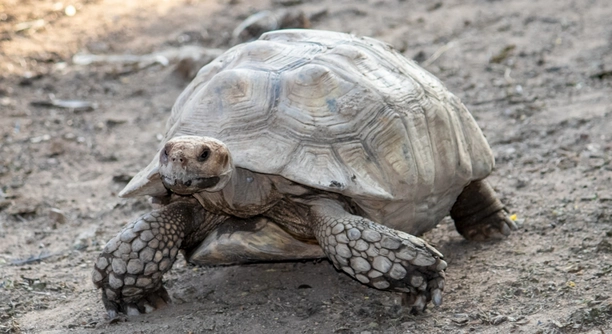
Sulcata tortoises are known for their slow and steady nature, but if you notice yours losing weight, it can be concerning. A drop in weight may indicate an underlying issue that needs attention to help your tortoise thrive.
A sulcata tortoise may lose weight due to improper diet, dehydration, parasites, or insufficient temperature. Stress, illness, and inadequate habitat conditions also contribute. It’s essential to monitor their care closely and address any changes promptly to support their well-being.
Understanding the causes behind your tortoise’s weight loss will help you take the right steps to improve their health. We will guide you through the best ways to ensure your sulcata tortoise stays strong and happy.
Improper Diet and Nutrition
A common reason your sulcata tortoise may be losing weight is due to a lack of proper nutrition. Sulcatas need a diet rich in fiber, with a variety of grasses, hay, and some leafy greens. If they’re not getting enough of these foods, they may not be getting the energy they need to stay healthy. It’s important to avoid feeding them too many high-protein foods or fruits, as this can cause imbalances in their diet, leading to weight loss.
If your tortoise isn’t eating enough, it could also be due to the food not being fresh or accessible. Make sure their food is easy to find and appealing. Sometimes, simply offering food in different locations or in a more appealing way can encourage them to eat more.
Additionally, a proper calcium supplement is essential to keep their bones strong and overall health intact. If they’re not getting enough calcium, this could contribute to weight loss. Always ensure their diet is well-balanced to support their growth and well-being.
Dehydration
Another reason for weight loss in your sulcata tortoise might be dehydration. Tortoises can become dehydrated if they don’t have access to fresh water at all times. They are used to drinking from puddles and dew in their natural habitat, so providing a shallow dish of water they can easily access is crucial.
Hydration is key for your sulcata’s digestion and overall energy. Without enough water, they might refuse food or become lethargic. This can lead to weight loss over time, so offering regular baths and keeping their water fresh will help. Also, ensure their environment is humid enough to support their hydration needs.
Lack of hydration can make your tortoise weak and less likely to eat. If you notice your tortoise drinking less than usual, try soaking them in lukewarm water for 10-15 minutes. This can help with hydration and stimulate their appetite.
Parasites
Parasites can often cause your sulcata tortoise to lose weight. Internal parasites, such as worms or protozoa, can affect their ability to digest food properly, leading to a decrease in body weight. If you notice signs of lethargy, abnormal stool, or poor appetite, it might be time to check for parasites.
A vet visit is recommended to diagnose any parasitic infections. Parasites are a common problem for reptiles, and they can be hard to detect without proper testing. Regular fecal exams can help catch issues early. Treatment typically involves deworming medications that your vet will prescribe.
After treatment, it’s important to monitor your tortoise’s weight and behavior to ensure they’re recovering. Make sure their habitat is clean and free of possible contaminants that could bring back parasites. Keeping a close eye on your tortoise’s health will help prevent further issues.
Stress
Stress is another factor that can cause weight loss in sulcata tortoises. They can become stressed from environmental changes, such as temperature fluctuations or a noisy habitat. Stress can also occur if they feel threatened or are not provided with enough space to roam.
When tortoises are stressed, they often stop eating or show signs of anxiety. Over time, this can result in weight loss. To reduce stress, make sure their habitat is stable and quiet. Providing a large enough enclosure with hiding spots helps them feel secure. Keeping their environment at a consistent temperature is essential for their well-being.
Tortoises can also feel stressed if their diet is not suitable, or if they have not been handled gently. Avoid overhandling your tortoise, and be mindful of changes in their routine or surroundings. Reducing stress will encourage your tortoise to eat, keeping them healthy and properly nourished.
Illness
Illness can also lead to weight loss in your sulcata tortoise. Respiratory infections, digestive issues, or internal injuries can affect their appetite and overall health. Watch for signs such as lethargy, wheezing, or abnormal behavior, which could indicate an underlying issue.
If your tortoise is showing symptoms of illness, it’s important to consult a vet as soon as possible. They may need antibiotics or other treatments depending on the condition. Early intervention will improve the chances of a full recovery. In addition, a warm and clean environment will help your tortoise feel better as they heal.
Habitat Issues
A poorly maintained habitat can lead to weight loss in sulcata tortoises. If the temperature, humidity, or lighting isn’t ideal, it can affect their digestion and overall health. Ensuring your tortoise’s environment meets their specific needs is key.
The habitat should have a warm basking area, cooler zones for resting, and a humidity level that suits your tortoise. It’s also important to provide plenty of space for them to move around. This ensures they stay active and maintain a healthy weight. Without the right conditions, your sulcata may become stressed, lose appetite, or become sick.
FAQ
Why is my sulcata tortoise not eating?
A sulcata tortoise may refuse to eat for several reasons. They could be stressed, dehydrated, or experiencing an illness. Environmental factors, such as poor lighting or temperature, can also reduce their appetite. Make sure their habitat is set up correctly with proper lighting, temperature, and humidity. If they continue to avoid food, a visit to the vet is necessary to rule out parasites or infections.
What is the best diet for a sulcata tortoise?
A sulcata tortoise’s diet should mainly consist of high-fiber grasses, hays, and leafy greens. Avoid giving them too much fruit or protein, as these can upset their digestive system. A balanced diet promotes healthy digestion and weight maintenance. Calcium supplements are also recommended for strong bones.
How can I tell if my tortoise is dehydrated?
Signs of dehydration in a sulcata tortoise include lethargy, sunken eyes, dry skin, or reduced urination. They might also refuse food or appear weak. You can offer hydration by providing a shallow water dish and soaking them in lukewarm water for 10-15 minutes. Proper hydration supports digestion and overall health.
Can a sulcata tortoise lose weight during hibernation?
Yes, it is normal for sulcata tortoises to lose some weight during hibernation or brumation. However, significant weight loss is a concern, and the tortoise should be monitored closely. Ensure that the hibernation temperature is steady and that your tortoise is in good health before entering brumation.
How do I know if my tortoise has parasites?
Parasites in sulcata tortoises often cause weight loss, lethargy, and digestive issues such as diarrhea or abnormal stool. If you notice any of these symptoms, a fecal exam at the vet can confirm the presence of parasites. Early treatment is essential for recovery.
What temperature should my tortoise’s habitat be?
A sulcata tortoise requires a basking spot around 90-95°F (32-35°C) with a cooler area ranging from 75-80°F (24-27°C). Proper temperature gradients are necessary for digestion and overall health. Be sure to monitor temperatures regularly and use reliable thermometers.
How can I encourage my sulcata tortoise to eat more?
To encourage your sulcata to eat, ensure their food is fresh, varied, and placed in an appealing way. Sometimes offering food in different locations or changing the presentation can help. Make sure their habitat is comfortable, with a proper temperature and humidity, to reduce stress and encourage healthy eating.
Is it normal for a sulcata tortoise to become inactive sometimes?
Sulcata tortoises are naturally more active during certain parts of the day, especially when the temperature is warmer. However, if they remain inactive for extended periods or seem unusually lethargic, it could be a sign of stress, illness, or environmental issues. Check their habitat for potential problems and consult a vet if the behavior persists.
What should I do if my sulcata tortoise is losing weight rapidly?
If your sulcata tortoise is losing weight rapidly, it’s important to address the issue immediately. Check their diet, hydration, and habitat conditions to ensure everything is in order. If no improvement is seen, seek veterinary advice to rule out illness, parasites, or other health concerns.
How can I improve my sulcata tortoise’s living conditions?
Improving your sulcata tortoise’s living conditions involves providing a spacious enclosure with proper heating, lighting, and humidity. Ensure there are hiding spots to reduce stress. A balanced diet with access to fresh water is essential. Keep their habitat clean and provide opportunities for physical activity.
Final Thoughts
It’s important to understand that weight loss in sulcata tortoises can be a sign of several underlying issues. From improper diet and dehydration to stress and illness, the reasons for weight loss vary. It’s essential to monitor your tortoise closely and pay attention to any changes in their behavior, eating habits, or environment. Early detection of any problems can help prevent serious health issues in the future. Regular checks on their habitat, hydration, and diet can go a long way in ensuring they stay healthy and happy.
When it comes to their diet, make sure they have access to the right foods. A diet rich in fiber from grasses and hay, along with leafy greens, is crucial for their well-being. Avoid feeding them too many fruits or high-protein foods as this can throw off their digestive system. Also, don’t forget about calcium supplements to support their bones. Offering fresh water and maintaining proper hydration is just as important. Dehydration can cause weight loss and affect their overall health, so make sure your tortoise has access to clean water at all times.
Creating the right environment for your sulcata tortoise is equally important. They need a spacious, comfortable habitat with proper temperature gradients and humidity. Ensure that there is a basking area and cooler spots for them to regulate their body temperature. Stress can contribute to weight loss, so providing a stable, quiet environment where they can roam freely is key. If you notice your tortoise losing weight, it’s always a good idea to consult with a vet to rule out any serious conditions like parasites or infections. By keeping a close eye on their needs, you can help your tortoise stay healthy and thriving.

Hello,
If you enjoy the content that we create, please consider saying a "Thank You!" by leaving a tip.
Every little bit helps us continue crafting quality advice that supports the health, happiness, and well-being of pets around the world, for pets of all shapes, sizes, and species.
We really appreciate the kindness and support that you show us!