
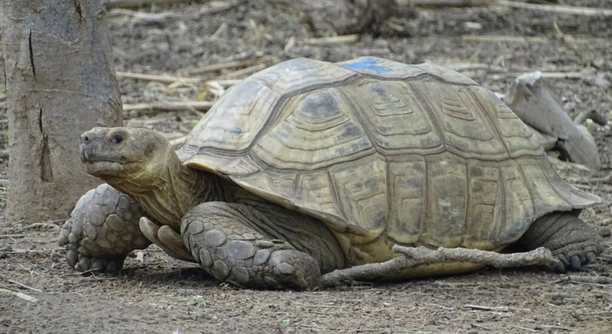
A sulcata tortoise blowing bubbles from its nose can be an alarming sight for pet owners. Understanding the reasons behind this behavior is essential for keeping your tortoise healthy and comfortable. Several factors could contribute to this issue.
The primary cause of your sulcata tortoise blowing bubbles is likely respiratory infection or nasal discharge. This condition can occur due to poor environmental conditions, like high humidity or inadequate heating, which stress the tortoise’s respiratory system.
Recognizing the signs early can help address the issue and prevent further complications.
Understanding Respiratory Issues in Sulcata Tortoises
Sulcata tortoises, like many reptiles, are sensitive to their environment, and respiratory issues can quickly develop if conditions are not ideal. These tortoises thrive in dry, warm conditions, and any deviation from these requirements can affect their health. Overly humid enclosures or poorly regulated temperatures put additional strain on their respiratory system, leading to symptoms such as nasal discharge and bubbles. Respiratory infections, often caused by bacteria, thrive in environments that are too moist or cold, further complicating the situation.
In addition to temperature and humidity, poor ventilation can exacerbate respiratory issues. A lack of airflow allows moisture to build up, promoting bacterial growth. Keeping the tortoise’s living space well-ventilated and properly heated helps maintain a healthy environment, preventing respiratory problems from becoming severe.
If your sulcata tortoise shows signs of a respiratory infection, such as nasal bubbles or wheezing, take action immediately. While these signs may seem mild at first, they can lead to more serious complications like pneumonia if left untreated. Veterinary care is essential to ensure proper diagnosis and treatment.
Keeping Your Tortoise’s Habitat Ideal
Maintaining an optimal habitat for your sulcata tortoise is key to preventing respiratory issues. Regular monitoring of temperature, humidity, and ventilation is crucial for their health.
Consistently checking these factors will provide a comfortable and safe environment. Regular health assessments can also prevent more severe conditions from developing.
Signs of Respiratory Infections
Nasal bubbles can be an early sign of a respiratory infection. Other symptoms include wheezing, lethargy, or lack of appetite. If these signs appear, it’s important to act quickly.
These infections are common when the environment is too humid or cool. A tortoise’s immune system struggles to fight off bacteria if it’s under stress from poor living conditions. Nasal discharge often accompanies respiratory infections and may become more pronounced if untreated. Early intervention, like improving habitat conditions and seeking veterinary care, is key to preventing more serious health issues.
Untreated respiratory infections can lead to pneumonia, a life-threatening condition. If you notice consistent nasal bubbles or changes in behavior, don’t wait too long to consult a veterinarian. An early diagnosis can make a big difference in the recovery process and avoid complications.
Importance of Proper Diet
A healthy diet supports a tortoise’s immune system, making it easier for them to fight off infections. Providing a variety of leafy greens and grasses is essential for their overall health.
Supplements, such as calcium and vitamin D3, can also help maintain strong bones and a healthy immune system. These nutrients aid in preventing the tortoise from becoming weak and more susceptible to illness.
Temperature Regulation
Sulcata tortoises need consistent warmth to maintain their health. Temperatures that drop too low can weaken their immune system, making them more vulnerable to respiratory infections.
Use a reliable heat source, like a basking lamp, to maintain daytime temperatures between 85°F and 90°F. At night, the temperature can drop to around 70°F. Ensuring that the enclosure stays warm is key to keeping your tortoise healthy.
Humidity Control
Too much moisture in the air can lead to respiratory problems. Ensure the habitat remains dry, with humidity levels around 30-40%.
Excess humidity encourages bacterial growth that can harm your tortoise’s respiratory system. A dehumidifier or proper ventilation can help control moisture levels, preventing health issues.
Seeking Veterinary Care
If your tortoise shows persistent symptoms like nasal bubbles or trouble breathing, it’s time to consult a vet. Professional care ensures that your tortoise gets the treatment it needs.
A veterinarian can diagnose the infection and provide appropriate antibiotics or other medications to help your tortoise recover. Timely intervention will prevent the issue from worsening.
FAQ
Why is my sulcata tortoise blowing bubbles from its nose?
Nasal bubbles are often a sign of respiratory issues in sulcata tortoises. The most common cause is a respiratory infection, which can occur due to improper environmental conditions like high humidity or low temperatures. These conditions can weaken the tortoise’s immune system, making it more susceptible to infections. It is important to address the environment immediately to reduce the risk of further complications.
What are the signs of a respiratory infection in a sulcata tortoise?
In addition to nasal bubbles, other signs include lethargy, loss of appetite, wheezing, or labored breathing. If left untreated, the infection can worsen and lead to more serious conditions like pneumonia. You may also notice mucus or discharge around the nostrils. Monitoring these symptoms closely will help you determine when to seek veterinary care.
How can I prevent respiratory infections in my sulcata tortoise?
Maintaining the right temperature, humidity, and ventilation in the tortoise’s enclosure is essential. Ensure the habitat is warm, dry, and well-ventilated. Keep the temperature between 85°F and 90°F during the day and around 70°F at night. Humidity should be kept low to avoid encouraging bacterial growth. Regular cleaning and proper diet also help keep your tortoise healthy.
Can I treat my tortoise’s respiratory infection at home?
While it’s important to monitor the tortoise’s condition at home, it is not advisable to treat respiratory infections without consulting a veterinarian. A vet can prescribe the right antibiotics and determine the exact nature of the infection. Early treatment will help prevent complications and ensure a speedy recovery.
What should I do if my tortoise’s symptoms don’t improve?
If your tortoise’s symptoms persist despite improvements to the environment, it’s crucial to seek veterinary care. A veterinarian can perform tests to identify the underlying cause of the infection and provide more specialized treatment. Don’t wait too long, as untreated infections can lead to severe respiratory problems.
Can sulcata tortoises get pneumonia?
Yes, pneumonia is a common complication of respiratory infections in sulcata tortoises. If the infection is not addressed promptly, the bacteria can spread to the lungs, causing inflammation and fluid buildup. This can be life-threatening and requires immediate veterinary attention. Early intervention is key to avoiding pneumonia.
How can I maintain the right humidity levels in my tortoise’s enclosure?
Humidity control is essential to prevent respiratory infections. You can use a hygrometer to monitor humidity levels in the enclosure. If humidity levels are too high, increase ventilation or use a dehumidifier to reduce moisture. Avoid using misting systems or water bowls that could add unnecessary moisture to the air.
Is it safe to house a sulcata tortoise with other reptiles?
Sulcata tortoises are generally solitary creatures, and it’s best to keep them in separate enclosures to avoid stress or aggression. Housing them with other reptiles could lead to competition for resources or territorial behavior, which can affect their overall health. If housing multiple reptiles together, ensure each species’ needs are met.
What is the best diet for a sulcata tortoise?
Sulcata tortoises are herbivores and require a diet primarily made up of grasses, hay, and leafy greens. Include high-fiber foods like dandelion greens, collard greens, and hibiscus flowers. Avoid feeding them high-protein foods, such as fruits or commercial tortoise pellets, as they can disrupt their digestive health.
How often should I clean my tortoise’s enclosure?
The enclosure should be cleaned regularly to prevent bacterial buildup and maintain a healthy environment. Spot clean the habitat daily to remove waste, and do a thorough cleaning weekly. Be sure to replace bedding, sanitize surfaces, and check for any mold or mildew, which can affect your tortoise’s health.
Can sulcata tortoises get respiratory infections during hibernation?
Yes, sulcata tortoises can still develop respiratory infections during hibernation if the environmental conditions are not ideal. If they are kept in too high humidity or too low temperatures, their immune systems may weaken, making them more susceptible to infections. It’s important to monitor the temperature and humidity during the hibernation period.
Do sulcata tortoises need UVB light?
Yes, sulcata tortoises need UVB light to help them metabolize calcium and maintain strong bones. UVB light is especially important if they are housed indoors. Make sure the UVB light is the correct type and is placed at the proper distance from the tortoise to ensure they are receiving adequate exposure.
How can I tell if my tortoise is stressed?
Stressed tortoises may exhibit changes in behavior, such as reduced appetite, lethargy, or avoidance of basking areas. Stress can result from inadequate environmental conditions, overcrowding, or improper handling. Keeping the habitat at the correct temperature, humidity, and size will reduce stress and support a healthy tortoise.
Final Thoughts
Maintaining the health of your sulcata tortoise is crucial for its overall well-being. Respiratory infections, which cause symptoms like nasal bubbles, can be prevented with proper care. Ensuring the correct environmental conditions—adequate temperature, humidity, and ventilation—is the first step in preventing these infections. If your tortoise begins showing signs of illness, addressing the issue early is key. Regular monitoring of its health and environment will go a long way in preventing complications. An ounce of prevention truly is worth a pound of cure.
Veterinary care plays an essential role in treating respiratory infections. While some issues can be managed with adjustments to the habitat, a professional’s guidance is crucial for proper treatment. If your tortoise shows persistent symptoms, don’t hesitate to seek help from a veterinarian who can prescribe antibiotics and other necessary treatments. Ignoring symptoms or waiting too long could lead to serious health issues, such as pneumonia. Therefore, timely intervention is critical for a full recovery.
In addition to proper treatment, maintaining a balanced diet and regular cleaning routine will help keep your sulcata tortoise healthy in the long term. By making sure your tortoise’s habitat is clean, dry, and properly heated, you can reduce the likelihood of infections. Keeping your tortoise’s living space free of excess moisture and contaminants will support its immune system and contribute to its longevity. With attentive care and prompt action when necessary, you can ensure that your tortoise remains a happy, healthy companion for many years.

Hello,
If you enjoy the content that we create, please consider saying a "Thank You!" by leaving a tip.
Every little bit helps us continue crafting quality advice that supports the health, happiness, and well-being of pets around the world, for pets of all shapes, sizes, and species.
We really appreciate the kindness and support that you show us!