
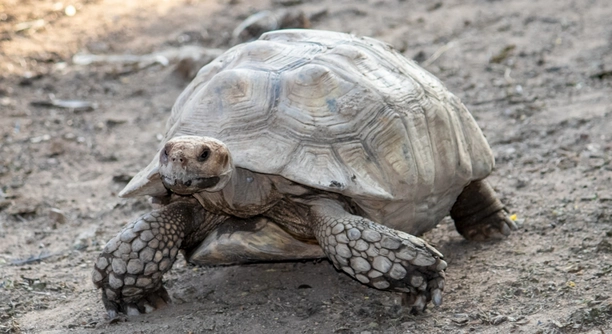
Sulcata tortoises are fascinating creatures, but sometimes their behaviors can leave owners puzzled. One such behavior is the frequent scraping of their beaks, which might seem unusual or concerning at first.
The main reason for a Sulcata tortoise scraping its beak is likely due to natural behavior or environmental factors, such as the need to sharpen or clean their beaks. This is often seen when they interact with surfaces or objects in their enclosure.
Understanding this behavior can help ensure that your tortoise is healthy and comfortable. By learning the cause, you can better meet your tortoise’s needs and create an environment that promotes their well-being.
Natural Behavior of Sulcata Tortoises
Scraping their beaks is often a natural behavior for Sulcata tortoises. They use their beaks in a similar way to how other animals use their teeth, for tasks like chewing, grooming, or exploring their environment. This behavior can be observed as they interact with their surroundings, particularly when they feel the need to maintain or sharpen their beaks. Over time, the beak can become worn or grow unevenly, and scraping helps to correct this.
Tortoises also use their beaks for foraging. They might scrape on hard surfaces to break apart food or to find different textures in their habitat. Their sharp beaks are perfect for this, helping them to scrape and dig for food in the wild.
This behavior is not something to worry about, as it’s completely normal. As long as the beak is not showing signs of damage or excessive wear, scraping is just part of their routine. It’s a healthy way for them to take care of their beak while keeping their environment clean.
Environmental Factors Impacting Beak Scraping
Sometimes, the environment in which your Sulcata tortoise lives can contribute to this beak scraping. A dry or dusty habitat can cause a tortoise to scrape its beak more often, trying to clear away debris that gets stuck. They may also interact with rocks, branches, or other objects in their enclosures, naturally leading to scraping.
Ensuring your tortoise has a suitable enclosure with soft surfaces and appropriate humidity levels can help prevent excessive beak scraping. If the environment is too dry or rough, it could lead to discomfort or irregular scraping patterns. A well-maintained habitat will keep your tortoise happier and prevent unwanted stress.
It’s also important to provide objects that can help with their natural scratching instincts. For example, offering a large rock or log in their habitat will give them the space they need to scrape in a way that mimics their behavior in the wild. This will help them stay physically and mentally stimulated, which is key for their overall health. Keeping their space clean and free from rough debris can also reduce the chances of excessive beak wear.
Beak Health and Maintenance
Beak scraping is also linked to the health of your tortoise’s beak. Regular scraping helps keep the beak from overgrowing, which could cause feeding difficulties or even impact their overall health.
A well-maintained beak helps ensure they can eat a variety of foods, from grasses to vegetables. When the beak becomes too long or uneven, it might make it difficult for them to bite or chew effectively. In the wild, tortoises naturally wear down their beaks by eating coarse vegetation, which is why it’s important to replicate this environment for your pet.
Occasionally, beak scraping could signal the need for a trim. If you notice your tortoise struggling with food or their beak appearing misshapen, it might be a good idea to consult a vet. Professional care can ensure that your tortoise’s beak stays in the best shape for proper feeding and overall health.
Diet and Beak Scraping
A diet rich in fiber helps keep a Sulcata tortoise’s beak naturally trimmed. Foods such as hay, grass, and rough vegetation act as natural abrasives, which can wear down their beak and keep it healthy.
The more natural and varied their diet, the better. Tortoises need foods that are tough enough to provide the right friction for beak maintenance. Fresh greens like dandelion leaves and clover, along with a constant supply of hay, will encourage them to scrape their beaks naturally while eating. A balanced diet that mimics their natural intake will support both their overall health and the condition of their beak.
Without a proper diet, a tortoise’s beak could become overgrown or improperly shaped. This can lead to feeding problems, difficulty in foraging, or even long-term health issues. By adjusting their diet to include foods that naturally help with beak care, you can ensure your tortoise thrives and maintains its beak’s health.
Beak Abnormalities and Signs of Concern
In some cases, excessive scraping could indicate an underlying issue, such as beak malformation or infection. If the scraping becomes constant or seems painful, it might be time for a closer look.
Observe your tortoise for signs of abnormal behavior, like difficulty eating or visible cracks in the beak. If this occurs, a vet should be consulted to rule out infections or injury. Proper care is essential to prevent serious issues that could affect your tortoise’s health long-term.
Beak Care in Captivity
Beak care for captive tortoises is a bit different than in the wild. Without the natural wear from terrain, you must ensure their habitat and diet encourage regular beak maintenance. Regular cleaning and offering a variety of surfaces to scrape on will help.
A diet filled with roughage and a good balance of fiber will also contribute to beak health. Keeping their enclosure clean, with rocks, logs, or other rough objects, will give them natural opportunities to scrape and maintain their beak. It’s vital to consider these factors for their overall well-being.
FAQ
Why is my Sulcata tortoise scraping its beak constantly?
Scraping is usually a natural behavior for Sulcata tortoises. They may scrape their beaks to maintain its shape, remove debris, or mimic the actions they would take in the wild when foraging. This behavior helps them keep their beaks sharp and clean, which is important for feeding and self-care. It can also happen when they are exploring their surroundings or interacting with objects in their environment.
How can I tell if my tortoise is scraping its beak due to a problem?
If your Sulcata tortoise is scraping its beak excessively, it could be a sign of an underlying problem. Look for signs such as unusual growth, cracks, or an inability to eat properly. If your tortoise appears to be having trouble with its feeding or shows any discomfort while scraping, it’s best to get a vet’s opinion. Any signs of swelling, redness, or infection around the beak should also be addressed quickly.
What can I do to stop my tortoise from scraping its beak so much?
If the scraping is due to an environmental issue or a lack of natural wear, consider adjusting your tortoise’s habitat. Provide rough surfaces like rocks or logs to encourage natural beak maintenance. You can also adjust their diet to include more fibrous and rough foods that help naturally trim the beak. However, if the behavior persists and is linked to health concerns, consult a vet.
Should I be concerned if my tortoise’s beak is growing too long?
A tortoise’s beak can grow too long, but this doesn’t happen too often in the wild since their diet and environment naturally wear it down. In captivity, if the beak becomes too long or misshapen, it might indicate that the tortoise is not receiving the right kind of food or has insufficient surfaces to scrape against. If the beak appears overgrown, a vet may need to trim it to ensure your tortoise can continue to eat properly.
What kind of food helps with beak maintenance?
A diet rich in fiber is essential for beak health. Foods like hay, grass, and tough, leafy greens are ideal for promoting natural beak wear. Dandelion greens, clover, and other coarse vegetation can help maintain the proper length and shape of the beak. It’s also important to ensure that your tortoise is getting the right nutrients to support its overall health.
Can a dirty habitat cause my tortoise to scrape its beak more often?
Yes, if the habitat is too dirty or dusty, your tortoise may scrape its beak more frequently to clean it or to remove debris. Keeping the enclosure clean and dry will help prevent your tortoise from encountering unnecessary dirt. A clean environment will also reduce the likelihood of infection or other health issues.
How can I prevent my tortoise from developing an infected beak?
Maintaining a clean enclosure, providing the right diet, and ensuring that your tortoise has enough natural surfaces to scrape its beak will help prevent infection. If you notice any changes in the color or texture of your tortoise’s beak, or if it starts having trouble eating, it’s essential to take them to a vet for a check-up. A clean, well-maintained environment will lower the risk of infections, which are sometimes caused by bacteria or fungi.
Is beak scraping a sign of stress?
While beak scraping itself isn’t typically a sign of stress, if your tortoise seems to be scraping more frequently than usual, it could be trying to adjust to something new in its environment. Stress can also cause other behavioral changes, so if your tortoise is scraping its beak and also showing other signs of distress like pacing or a loss of appetite, you should check its environment for any changes that might be causing discomfort.
How often should I check my tortoise’s beak?
It’s a good idea to check your tortoise’s beak regularly for any signs of wear, cracks, or abnormalities. A quick visual check once a week can help you spot any issues early. If you notice anything unusual, it’s better to consult a vet. A healthy beak will be smooth with no visible damage.
What are some signs that my tortoise’s beak is unhealthy?
An unhealthy beak might be swollen, cracked, discolored, or uneven. If your tortoise has difficulty eating or if the beak appears to be growing irregularly, this may be a sign of an issue. Discoloration or a rough texture may indicate an infection or a need for professional care. You should take your tortoise to the vet for an evaluation if you notice these symptoms.
Can the temperature of my tortoise’s habitat affect its beak health?
Yes, temperature can play a role in your tortoise’s overall health, including its beak. If the environment is too dry or too cold, it could affect how your tortoise uses its beak or causes the beak to become brittle. It’s important to maintain a temperature range that mimics their natural habitat to keep them comfortable and healthy. If the enclosure is too humid or too hot, it could also affect their behavior, including scraping.
Is it necessary to trim my tortoise’s beak?
In most cases, if you’re providing a balanced diet and a proper habitat, your tortoise will naturally maintain its beak. However, if the beak becomes overgrown or you notice feeding difficulties, it might be necessary to trim it. It’s recommended to consult a veterinarian for this task to ensure it’s done correctly and safely.
What should I do if my tortoise stops scraping its beak?
If your tortoise suddenly stops scraping its beak or seems to avoid using it, it could be a sign of discomfort or illness. You should monitor them closely and check for signs of injury or infection. If they seem to be in pain or are unable to feed properly, consult a vet immediately.
Do all tortoises scrape their beaks?
Not all tortoises scrape their beaks in the same way. While it’s common for Sulcata tortoises to engage in this behavior, other species might not display the same habits. It’s important to learn about the specific needs and behaviors of your tortoise species to better understand its natural actions.
Final Thoughts
Scraping their beaks is a normal behavior for Sulcata tortoises, and it’s usually nothing to worry about. In many cases, they do this to maintain the shape and cleanliness of their beaks, especially in a captive environment. The act of scraping helps prevent their beaks from becoming overgrown or damaged. By providing an environment where they can naturally wear down their beaks, such as with rocks, logs, or rough surfaces, you can ensure they stay healthy. Additionally, a diet rich in fiber and tough vegetation like hay and leafy greens will support their natural beak care, just as it would in the wild.
However, it’s important to keep an eye on your tortoise for any signs of discomfort or unusual behavior. If the scraping becomes excessive or seems painful, it might indicate a health issue that needs attention. A beak that’s overgrown, cracked, or infected could affect your tortoise’s ability to eat and cause long-term health problems. If you notice these signs, it’s best to consult with a veterinarian to determine the cause and get proper treatment. Early intervention can prevent more serious issues down the line.
Lastly, creating a suitable habitat for your Sulcata tortoise is crucial in promoting its overall health, including proper beak maintenance. A clean, comfortable space with plenty of room to move around, the right temperature, and surfaces to interact with will support your tortoise’s physical and mental well-being. Be mindful of changes in their behavior, and always observe how they interact with their environment. With the right care and attention, your tortoise can continue to thrive and enjoy a long, healthy life.

Hello,
If you enjoy the content that we create, please consider saying a "Thank You!" by leaving a tip.
Every little bit helps us continue crafting quality advice that supports the health, happiness, and well-being of pets around the world, for pets of all shapes, sizes, and species.
We really appreciate the kindness and support that you show us!