
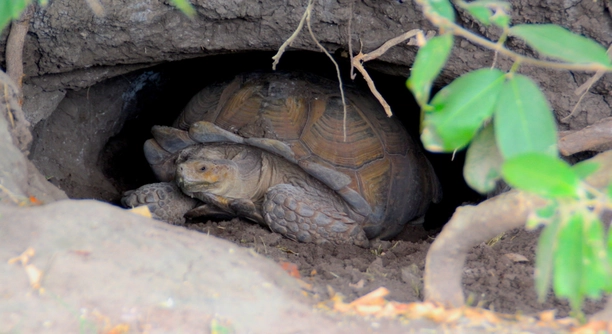
Sulcata tortoises are known for their distinct behaviors, and pacing can be one of their more noticeable habits. If your tortoise is frequently moving back and forth, understanding this behavior is key to ensuring its well-being.
Pacing in Sulcata tortoises often results from stress, lack of space, or an unfulfilled need for stimulation. Environmental factors like temperature, lighting, and humidity may also play a role in causing this behavior. Addressing these factors can help reduce pacing.
This article will explore the reasons behind this behavior and how you can improve your tortoise’s living conditions to support its health and comfort.
Reasons for Pacing in Sulcata Tortoises
Sulcata tortoises are active and curious creatures. Pacing is often a sign that they are feeling stressed or uncomfortable in their environment. Lack of space can cause them to repeatedly walk in circles or back and forth, trying to find a way out. If the enclosure is too small, they may feel confined, leading to anxious behavior. Another reason for pacing can be environmental factors such as improper temperature, humidity, or lighting. These factors can cause a tortoise to feel uncomfortable or unwell, prompting them to pace.
In addition to environmental stressors, pacing can also be a sign of boredom. If a tortoise lacks stimulation, it may begin pacing as a way to relieve its restlessness.
Addressing the causes of pacing starts with ensuring that your Sulcata tortoise has a spacious and comfortable habitat. A larger enclosure, appropriate lighting, and correct humidity levels can help reduce stress. Providing opportunities for exploration, such as varied terrain, can also keep them engaged.
Stress Factors That Contribute to Pacing
Stress is one of the main reasons your Sulcata tortoise may pace.
Sudden changes in temperature or a lack of natural sunlight can cause discomfort, leading your tortoise to act out by pacing. Sulcatas need access to warmth, but too much heat can also have the opposite effect, leading to stress. In addition, improper humidity can create an environment that is too dry for their comfort, further contributing to pacing. Ensuring your tortoise has a well-maintained environment with adequate lighting and humidity is crucial.
How to Address Pacing Behavior
If your tortoise’s pacing is persistent, check if its living space is large enough. A cramped environment can cause unnecessary stress, so providing a spacious area for them to roam is essential. Additionally, your tortoise needs a warm area for basking, along with cooler places to retreat to. Maintaining proper humidity levels is also important. Consider using a humidity gauge to ensure that the conditions are ideal for your tortoise. Lastly, adding objects such as rocks or logs to the enclosure can create a more stimulating environment, which may reduce pacing.
Environmental Factors Affecting Pacing
Improper lighting can lead to stress for your Sulcata tortoise. A lack of UVB light makes it harder for them to metabolize calcium, which can affect their health and behavior. This can contribute to anxiety, resulting in pacing.
It’s important to provide full-spectrum lighting for your tortoise to mimic the natural sunlight they would receive in the wild. Without proper UVB lighting, your tortoise can become lethargic, suffer from metabolic bone disease, and may even start pacing more often as a result. The light should be on for 10-12 hours each day to maintain a healthy day-night cycle. In addition to UVB light, providing a heat source that maintains an ideal basking temperature will create a comfortable environment.
The enclosure’s lighting should also be checked regularly to ensure that it’s functioning properly. A timer can be helpful to make sure the lighting schedule stays consistent, which can help reduce stress and encourage natural behaviors in your tortoise.
Temperature and Humidity Needs
Sulcata tortoises are sensitive to temperature changes, and an improper environment can cause pacing. If their habitat is too cold or too hot, they will feel uncomfortable and may move constantly to find a better spot.
A heat source is crucial for their well-being. Ensure that one area of the enclosure is warmer, allowing your tortoise to bask. During the night, the temperature should drop slightly, but not too much, to avoid stress. In addition to temperature, humidity plays a significant role. Your tortoise’s enclosure should maintain a humidity level of around 50-60%. Too much moisture can cause respiratory problems, while too little can make them feel dried out.
Monitoring these factors with a thermometer and humidity gauge will help keep your Sulcata comfortable. Proper temperature and humidity control will reduce pacing by making the environment feel more natural and less stressful.
Space in the Enclosure
If the enclosure is too small, your Sulcata tortoise will not have enough room to roam, which can lead to pacing. Tortoises need space to explore and move freely.
Providing a larger space will reduce the likelihood of pacing. A bigger area allows them to engage in natural behaviors and avoid the stress caused by confinement.
Lack of Stimulation
Sulcata tortoises are active creatures and need mental stimulation. Without enrichment, they can become bored and exhibit pacing behavior.
Adding elements like rocks, logs, or plants can give your tortoise something to focus on and interact with. This helps keep them engaged and reduces repetitive behaviors like pacing.
FAQ
Why is my Sulcata tortoise pacing?
Pacing can be a sign of discomfort, stress, or boredom. If your tortoise’s environment isn’t optimal, they may start pacing in an attempt to find a better spot. Issues such as improper lighting, temperature, or lack of space often contribute to this behavior.
How much space does my Sulcata tortoise need?
Sulcata tortoises require a large space to move around freely. The minimum enclosure size for one adult tortoise should be at least 10 feet by 10 feet, but larger is always better. The more space they have, the less likely they will pace.
What temperature should my Sulcata tortoise’s enclosure be?
Sulcata tortoises thrive in temperatures ranging from 85-95°F during the day, with a basking spot reaching 100°F. At night, temperatures should drop to around 70°F. Keeping the temperature stable helps prevent stress and unnecessary pacing.
Does my Sulcata need UVB light?
Yes, UVB light is crucial for your tortoise’s health. It helps them absorb calcium and maintain strong bones. Without it, your tortoise may become lethargic and stressed, which could cause pacing. Make sure to provide UVB lighting for 10-12 hours daily.
Can humidity affect my Sulcata tortoise’s behavior?
Humidity plays a significant role in your tortoise’s comfort. While Sulcata tortoises need a dry environment, humidity levels between 50-60% are ideal. Too high or too low humidity can lead to respiratory issues and stress, contributing to pacing behavior.
How can I prevent my Sulcata tortoise from pacing?
Start by ensuring that your tortoise’s environment is spacious, with proper lighting, temperature, and humidity. Enrich their habitat with objects to climb, hide, and explore. Offering a variety of textures and areas to roam will help reduce boredom and stress-related pacing.
Is pacing a sign of illness?
While pacing can indicate stress or environmental discomfort, it may also signal health issues if accompanied by other symptoms like lethargy, lack of appetite, or abnormal behavior. If pacing persists despite changes in the environment, consult a veterinarian to rule out health problems.
Should I change my tortoise’s diet if it’s pacing?
Diet can affect behavior, but pacing is usually more related to environmental factors. However, providing a well-balanced diet rich in fiber and calcium is essential for overall health. A poor diet can lead to malnutrition, which may contribute to behavioral changes, including pacing.
How often should I clean my Sulcata tortoise’s enclosure?
It’s essential to clean your tortoise’s enclosure regularly to maintain a healthy environment. Spot clean daily by removing feces and uneaten food. A full cleaning should be done once a week, ensuring that any mold, bacteria, or waste is removed. A clean space will reduce stress and pacing.
Can pacing be a sign of mating behavior?
Pacing can sometimes be linked to mating behavior, especially if the tortoise is reaching sexual maturity. Male tortoises may pace or become more active in search of a mate. If this behavior occurs during the mating season, it may not be a cause for concern unless it becomes excessive.
Is it normal for my Sulcata tortoise to pace at night?
While pacing is more common during the day, some tortoises may pace at night if they’re not comfortable with the temperature or humidity in their enclosure. Ensure the enclosure is set up with a cool nighttime temperature and proper humidity to avoid nighttime pacing.
Can a Sulcata tortoise be kept with other tortoises?
Sulcata tortoises are solitary creatures and can be territorial. It’s best to keep them alone unless you have a large enclosure with ample space. Multiple tortoises in the same space can lead to stress, aggression, and pacing. Monitor closely if you decide to house them together.
Do Sulcata tortoises need outdoor time?
Yes, if the weather is suitable, outdoor time can benefit your tortoise. Natural sunlight, fresh air, and space to roam reduce stress and provide necessary stimulation. However, ensure the outdoor area is secure and free from predators. A controlled environment is necessary for their safety.
How can I tell if my Sulcata tortoise is stressed?
Signs of stress in Sulcata tortoises include pacing, lethargy, lack of appetite, and excessive hiding. If your tortoise displays these signs, check its environment for issues like improper temperature, lighting, or humidity. Stress-related pacing can often be reduced by addressing these factors.
Is pacing in Sulcata tortoises dangerous?
Pacing itself isn’t typically dangerous, but it can indicate discomfort or distress that could lead to health problems if left unaddressed. Persistent pacing might suggest a need for changes in the tortoise’s habitat. Ensure the enclosure is optimal to reduce any negative impacts of the behavior.
What kind of bedding should I use for my Sulcata tortoise?
For bedding, use substrates like hay, grass, or coconut coir. These provide a natural and safe environment for your tortoise. Avoid using cedar or pine shavings, as they can cause respiratory issues. A comfortable, dry substrate helps maintain a healthy habitat and reduces stress.
Final Thoughts
Pacing in Sulcata tortoises is a common behavior that can stem from several factors. While it can be unsettling to see your tortoise moving back and forth in its enclosure, understanding the possible causes can help address the issue. Most often, pacing is linked to environmental factors such as space, temperature, humidity, or even the lack of stimulation. Sulcata tortoises need plenty of space to roam and explore, so providing an appropriately sized enclosure is essential. If the enclosure is too small, the tortoise may become restless and start pacing as a way to find more space.
In addition to space, lighting and temperature are also critical. Sulcata tortoises need a proper heat gradient in their habitat, with a warm basking area and a cooler spot to regulate their body temperature. Without the right temperature range, your tortoise might pace in search of a more comfortable spot. Likewise, access to UVB light is crucial for their health, as it helps them absorb calcium and maintain strong bones. A lack of UVB can cause stress and lead to pacing. It’s important to regularly check the lighting and temperature levels to ensure they are suitable for your tortoise.
If pacing continues despite correcting environmental factors, it could be a sign of stress or even illness. Stress can result from changes in the environment, improper care, or even social factors if multiple tortoises are housed together. In rare cases, pacing could be related to medical issues, which is why it’s important to monitor your tortoise’s overall health. A veterinarian can provide valuable insight if you’re concerned about persistent pacing. Ultimately, a comfortable and stimulating environment, with proper care and attention to their needs, will go a long way in ensuring that your Sulcata tortoise remains happy and healthy.

Hello,
If you enjoy the content that we create, please consider saying a "Thank You!" by leaving a tip.
Every little bit helps us continue crafting quality advice that supports the health, happiness, and well-being of pets around the world, for pets of all shapes, sizes, and species.
We really appreciate the kindness and support that you show us!