
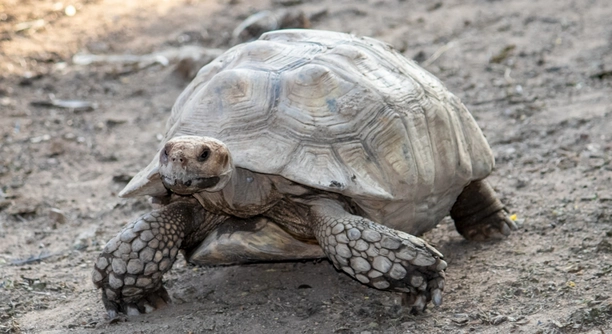
Sulcata tortoises are fascinating creatures that often display repetitive behaviors. One such behavior is constantly facing the same direction, which can leave owners wondering about the reason behind it. Understanding this behavior is essential to caring for your tortoise.
The primary reason your Sulcata tortoise faces the same direction is likely related to its natural instincts and environmental factors. These tortoises are territorial and use landmarks to navigate, which can make them orient themselves in a consistent direction.
By understanding this behavior, you can better support your tortoise’s environment and ensure its comfort and well-being. Keep reading to learn how small adjustments can help your pet thrive.
Why Does My Sulcata Tortoise Face the Same Direction?
Sulcata tortoises, like many reptiles, rely on their surroundings to navigate their environment. These creatures tend to be territorial and often use specific landmarks to orient themselves. Over time, your tortoise may find a comfortable position and stick to it. This behavior helps them feel secure in their habitat. Their instinctual drive to seek out familiar positions can be traced back to their wild ancestors, who would use geographic features to track their territory and identify safe zones. Understanding this behavior is key to providing a stable, familiar environment for your pet.
It’s common for tortoises to face a specific direction repeatedly. This is linked to their territorial instincts and reliance on visual cues. They tend to find comfort in facing toward areas they recognize or feel safe in.
Creating a stable environment for your Sulcata tortoise can improve their comfort and well-being. Avoid making drastic changes to their habitat too often, as it can disrupt their sense of security. By ensuring they have clear sightlines and enough space, your tortoise will likely feel more at ease. They naturally seek patterns in their environment, which leads them to face familiar spots or directions. If you notice your tortoise facing a particular wall or corner, it’s not necessarily a problem—just a sign they’ve identified it as a place of comfort or safety.
How to Support Your Tortoise’s Behavior
To support your tortoise’s need for consistency, ensure their environment remains stable. Offer enough space to roam and consider placing objects that provide a sense of direction. Creating a routine will help them feel secure.
If you want to enhance your tortoise’s comfort, try adding landmarks, such as rocks or structures they can recognize. These elements will help reinforce their need for direction. Consistency is key, so avoid rearranging their space too often.
The Role of Environmental Factors
The environment plays a big part in how your Sulcata tortoise behaves. Tortoises are naturally drawn to familiar surroundings and may orient themselves towards certain features of their habitat. Temperature, lighting, and available hiding spots can all influence the direction your tortoise faces.
A stable temperature gradient is essential for your tortoise to regulate its body temperature. If they’re always facing the same direction, it could be because they’re seeking out warmth or coolness depending on the time of day. Sulcata tortoises need access to both warm and cool areas to stay comfortable. If one area of their habitat is more appealing than another, they will naturally stay oriented toward it. This behavior is instinctual, as they want to maintain their comfort zone, and environmental factors help them achieve that.
Humidity levels also impact your tortoise’s behavior. If their habitat is too dry or too damp, it may cause them to adjust their position frequently. Proper humidity helps them stay hydrated and healthy. Ensure your tortoise has access to clean water and the right moisture levels to avoid stress. Keep the temperature and humidity consistent to prevent your Sulcata from constantly searching for a new, more comfortable spot.
The Influence of Age
Age plays a role in how your Sulcata tortoise behaves. As they grow older, tortoises may become less active and more inclined to stay in one spot for longer periods. Their preference for facing the same direction may intensify with age.
Older Sulcata tortoises often display more repetitive behaviors due to their more settled nature. In the wild, their primary goal would be to conserve energy, so staying in a familiar spot becomes a way to maintain comfort. This is why you may notice that your tortoise tends to face the same direction for long periods as it ages. They seek stability and often prefer familiar surroundings that minimize stress. As long as they are eating well, moving, and showing signs of good health, repetitive positioning is usually nothing to worry about.
Observation of Routine Behavior
Sulcata tortoises thrive on routine. They often face the same direction as part of their daily activities, seeking out spots where they can bask or feel safe. Their behavior may appear repetitive, but it’s a sign of comfort and predictability in their environment.
If your tortoise seems to prefer facing the same direction, it could simply be part of their daily routine. In the wild, they’d follow the sun’s movement or seek shelter in certain spots, and they tend to bring those instincts into captivity. This predictable behavior is natural and not a cause for concern.
Stress and Anxiety Factors
Stress can cause changes in your tortoise’s behavior. If they feel unsafe or their environment is not suitable, they may retreat into certain positions or face the same direction to feel more secure. This may be more common in new tortoises adjusting to their habitat.
Ensure your Sulcata tortoise has a safe, stable home to avoid stress. If they’re constantly facing one direction, it might be a sign of feeling threatened or uncomfortable. Check for any potential disturbances in their habitat, such as loud noises, other pets, or changes in lighting, which can trigger anxiety.
FAQ
Why does my Sulcata tortoise face the same direction all the time?
Your Sulcata tortoise likely faces the same direction because of its instinctual behavior. Tortoises, especially those like Sulcatas, tend to be territorial and use landmarks to navigate. They find comfort in familiar surroundings and may face a certain direction to feel secure. This is not a sign of distress but rather a natural instinct to settle in a place that feels familiar and safe. Providing a consistent environment with clear boundaries will help your tortoise feel at ease.
Is it normal for my Sulcata tortoise to stay in one spot for hours?
Yes, it’s completely normal for Sulcata tortoises to stay in one spot for extended periods. These tortoises are not as active as some other species and will often spend hours basking in one location or simply resting. In the wild, they are accustomed to conserving energy and may only move for food or water. As long as your tortoise is eating, drinking, and moving occasionally, staying in one spot is perfectly natural.
How can I tell if my tortoise’s behavior is a sign of stress?
If your Sulcata tortoise is acting differently than usual, it could be a sign of stress. Look for signs such as excessive hiding, refusal to eat, or rapid movements. If your tortoise is frequently facing the same direction and shows signs of reluctance to move or interact, it could be a result of stress due to environmental factors or changes in its habitat. A stressed tortoise might also show signs of aggression or lethargy. Be sure to monitor their habitat for any changes in temperature, humidity, or noise levels.
Can I change the layout of my tortoise’s habitat?
While it’s possible to rearrange your tortoise’s habitat, it’s generally a good idea to avoid making drastic changes too frequently. Sudden changes can confuse or stress out your Sulcata tortoise, as they rely on visual landmarks to feel secure. If you need to make changes, try doing so gradually and ensure there are still familiar areas for your tortoise to recognize. This will help your pet maintain its sense of safety while adjusting to new elements in its environment.
How can I create a more comfortable environment for my Sulcata tortoise?
To create a more comfortable environment for your tortoise, provide a spacious habitat with both warm and cool areas. Sulcata tortoises need a temperature gradient to regulate their body heat. Ensure there’s plenty of space for them to move around, and offer hiding spots like caves or logs for them to seek shelter. Regularly check humidity levels and provide fresh water daily. Consistency is key—keeping the environment stable will help your tortoise feel secure and reduce unnecessary stress.
What are some common health signs I should watch out for in my Sulcata tortoise?
Watch for changes in your Sulcata tortoise’s eating habits, activity levels, and physical appearance. If your tortoise stops eating or drinking, shows signs of lethargy, or has difficulty moving, these could be signs of health problems. Also, keep an eye on its shell for any cracks, discoloration, or softness, which may indicate nutritional deficiencies or shell rot. If you notice any of these signs, it’s a good idea to consult a vet familiar with reptiles to ensure your tortoise remains healthy.
Does my Sulcata tortoise need a special diet to stay healthy?
Yes, Sulcata tortoises require a specific diet to stay healthy. They are herbivores, and their diet should consist mostly of grasses, hay, and leafy greens. A variety of plants ensures they get the proper nutrients, including fiber, calcium, and vitamins. Avoid feeding your tortoise high-protein foods, fruits, or vegetables that are too rich in oxalates or phosphorus. A balanced diet is crucial for maintaining their health and shell condition. Offering fresh food daily and removing uneaten items will help prevent any digestive issues.
How can I tell if my Sulcata tortoise is properly hydrated?
Hydration is key to your tortoise’s health. You can tell if your Sulcata is properly hydrated by observing its behavior. A well-hydrated tortoise will be active, alert, and may even drink or soak in water. The skin around their eyes should not look sunken, and their urine should be white or light-colored, not yellow. If you notice your tortoise seems unusually sluggish, dry, or its skin looks wrinkled, it might be dehydrated. Always provide access to clean water and consider offering a shallow dish for soaking.
Why does my tortoise sometimes seem to ignore food?
Tortoises may ignore food for several reasons. It could be due to environmental stress, a change in their routine, or a recent adjustment to their habitat. Sulcata tortoises can also lose their appetite during colder weather, as their metabolism slows down. If your tortoise is refusing food for an extended period, check their habitat conditions—ensure the temperature and humidity levels are correct. If the issue persists, it might be a good idea to consult with a vet to rule out any health issues.
Can I let my Sulcata tortoise roam outside?
Yes, Sulcata tortoises can enjoy time outdoors, provided the weather is suitable. Make sure the outdoor area is secure, as these tortoises are known to be excellent escape artists. It’s also important to ensure that the environment is free from predators and potential hazards like chemicals or toxic plants. During warm weather, letting your tortoise roam in a safe, enclosed space can help mimic its natural behavior and provide it with natural sunlight. Always supervise your tortoise when outside, and bring it back inside before the weather turns too cold.
How can I keep my Sulcata tortoise’s shell healthy?
A healthy shell is crucial for your Sulcata tortoise’s overall health. To keep it in good condition, ensure your tortoise is eating a balanced diet that provides plenty of calcium. A diet high in fiber from grass and hay helps with digestion and overall well-being. Additionally, provide access to proper lighting, including UVB rays, which are essential for calcium absorption. Regular soaking and hydration also help maintain the health of their shell, preventing dryness or cracking. If you notice any changes in your tortoise’s shell, consult a veterinarian.
Final Thoughts
Understanding your Sulcata tortoise’s behavior can make it easier to care for them. The tendency for them to face the same direction is completely natural and can be linked to their territorial instincts. Sulcata tortoises are creatures of habit, and they often seek comfort and security in familiar surroundings. They might prefer certain spots in their habitat, whether it’s because of warmth, safety, or simply because they’ve chosen it as their favorite place. This behavior isn’t a sign of stress or illness, but rather a reflection of their instincts to find a stable environment.
While repetitive behaviors are common in Sulcata tortoises, it’s important to ensure their environment remains stable and free from stressors. Consistency is key for these animals, and maintaining the right temperature, humidity, and space is essential. If your tortoise is facing the same direction regularly, it’s likely because they’ve identified a spot that feels secure to them. Providing the right conditions, such as proper lighting and a spacious enclosure, will help ensure your tortoise feels at ease. They thrive when their habitat mimics natural conditions, allowing them to express these instinctual behaviors.
If you notice any changes in your tortoise’s behavior, such as excessive lethargy, refusal to eat, or signs of distress, it could be an indication of something more serious. In such cases, it’s best to consult a veterinarian who is experienced with reptiles. Overall, the behavior of your Sulcata tortoise facing the same direction is perfectly normal and often linked to comfort and routine. By understanding their natural instincts, you can create a stable and supportive environment that keeps your tortoise healthy and happy.

Hello,
If you enjoy the content that we create, please consider saying a "Thank You!" by leaving a tip.
Every little bit helps us continue crafting quality advice that supports the health, happiness, and well-being of pets around the world, for pets of all shapes, sizes, and species.
We really appreciate the kindness and support that you show us!