
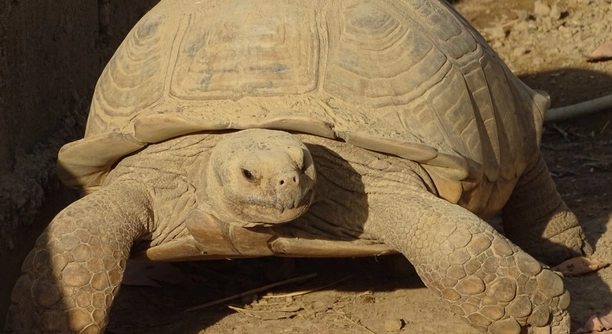
Sulcata tortoises are fascinating creatures, and it’s not uncommon for their behavior to spark curiosity. If you’ve noticed your tortoise always facing the same direction, you’re not alone. Many owners wonder about this intriguing habit.
Tortoises, including sulcatas, often orient themselves in the same direction due to environmental factors like sunlight, temperature, or a preferred view. This behavior can also be linked to instinctual patterns in their search for food or shelter.
Understanding why your sulcata tortoise behaves this way can help you ensure it is healthy and content.
Why Do Sulcata Tortoises Face the Same Direction?
Sulcata tortoises are known for their strong routines and habits, which can sometimes make their behavior seem puzzling. If your tortoise is always facing the same direction, it could be related to their natural instincts. Tortoises are sensitive to their environment, and facing a certain direction might offer them a sense of safety or comfort. In the wild, they often orient themselves in ways that allow them to maximize their chances of finding food, water, or shelter. This behavior can also be triggered by sunlight, temperature, or even the way their enclosure is arranged.
They may also be seeking a spot where they feel more secure or warmer, especially when basking.
Their ability to sense temperature gradients allows them to choose the most comfortable spot. A preferred direction often gives them access to sunspots or a cool place to rest. Understanding this can help in setting up their habitat for optimal well-being.
Environmental Influences on Your Tortoise
The sun plays a major role in a sulcata tortoise’s behavior.
Sulcatas are desert-dwelling tortoises, so they rely on sunlight for warmth. When they face the same direction regularly, it may be because they are positioning themselves to absorb heat from a particular area. They will often choose sunny spots during the day to stay warm, especially in cooler environments or during colder months. Additionally, they may follow the sun’s path as it moves across the sky, ensuring they stay in a comfortable temperature zone. In a controlled environment, like an enclosure, ensuring that there is a basking area or heating element where they can always face toward warmth is essential for their health.
Furthermore, if the enclosure is set up with elements like walls or barriers, your sulcata may be facing them to feel secure. The tortoise may also prefer a view of its food or a place where it’s familiar with the surroundings, which can offer a sense of safety.
Tortoise Habits and Instincts
Sulcata tortoises have strong instinctual behaviors that guide much of their actions. Facing the same direction could be part of their routine in nature, where they would often turn towards areas that provided shelter or food. These instincts are not just habits but also survival mechanisms.
In the wild, they might orient themselves to face the direction that leads to food sources or safe spaces. Tortoises have keen spatial awareness and often remember where food or shelter is located. This natural behavior could carry over into captivity, even if their environment is controlled. By positioning themselves the same way, they might be relying on past experiences or patterns that gave them security.
Sulcata tortoises are also known to have territorial instincts. If your tortoise seems to always face one direction, it might be staking out that area as its own. They can be protective of their space, even if it’s in an enclosure. This behavior may help them feel more in control and secure.
Temperature Regulation and Comfort
Sulcata tortoises need to maintain a specific body temperature for proper digestion and overall health. By facing the same direction, they may be seeking warmth or shade to regulate their body heat.
Temperature fluctuations are a significant factor in their behavior. In a natural environment, they would follow the sun to bask or find cooler spots to avoid overheating. In a habitat, they can be drawn to a specific side of their enclosure that offers ideal warmth. A properly set up basking area in your enclosure allows them to stay comfortable without stressing over extreme temperature changes. Regular temperature monitoring helps create the right conditions for them to thrive.
Tortoises are also sensitive to humidity levels, so they might face a direction that allows them to stay in an area that matches their needs. If they feel too hot or too cold, they will adjust their position to find the most comfortable spot.
Enclosure Setup and Directional Preference
The layout of your sulcata tortoise’s enclosure could impact its directional preference. If objects or barriers are placed in specific areas, your tortoise may gravitate toward them for comfort or security.
A well-arranged enclosure with clear areas for basking, hiding, and walking will allow your tortoise to choose its preferred direction naturally. Avoid overcrowding its space, as this could limit its movement and force it into specific patterns. If it constantly faces one way, it may be due to a lack of variety in its environment.
Tortoise Behavior and Exploration
Sulcata tortoises are known for being curious creatures. However, they may not always roam as much as other species. Facing the same direction could be their way of monitoring familiar surroundings, ensuring they feel safe, or avoiding unnecessary movement.
In nature, tortoises are often slow movers and tend to stick to areas they feel comfortable in. In captivity, your sulcata might show less interest in exploring if it has a routine that suits it. Their predictable behavior doesn’t necessarily mean they’re unhappy—it’s often a sign of their natural cautiousness.
Mental and Physical Health Considerations
Your tortoise’s behavior, including facing the same direction, could be related to stress or discomfort. It’s important to keep an eye on how your sulcata is acting overall.
If it seems to face the same spot without moving, it could be a sign of boredom or a lack of enrichment. Offering different objects like rocks, plants, or tunnels can encourage movement and interaction with its environment. Regular checks on your tortoise’s health can help catch any physical issues affecting its behavior.
FAQ
Why does my sulcata tortoise face the same direction all the time?
There are several reasons why your sulcata tortoise may face the same direction repeatedly. The most common reason is its need for warmth and comfort. Sulcatas are desert-dwelling creatures, and they rely on sunlight to regulate their body temperature. If they are facing a specific spot, it could be where they feel the most warmth or where they’re most comfortable. They may be seeking a sunspot or positioning themselves to maintain the best temperature. Their behavior could also be instinctive, based on natural patterns they would follow in the wild, such as facing a known food source or shelter. Another possibility is that your tortoise is being territorial, claiming that direction as its space for safety.
Can my tortoise get stressed from facing the same direction?
It’s unlikely that your tortoise is stressed simply from facing the same direction, as this is a normal behavior for many tortoises. However, if your tortoise is constantly in the same spot, not moving, or seems to be staying in one position for long periods, it might be a sign of stress or discomfort. This could be caused by factors such as a lack of stimulation in its environment or inappropriate temperature or humidity levels. Ensuring your tortoise has enough space to move around, as well as providing enrichment, can help reduce any stress.
Does my sulcata tortoise need variety in its environment?
Yes, it’s beneficial for your sulcata tortoise to have variety in its environment. While facing the same direction can be part of their routine, a lack of variety can lead to boredom or inactivity. Tortoises are curious animals, and offering different textures, climbing opportunities, and hide spots can encourage them to move and explore. Changing the arrangement of the enclosure from time to time can also help prevent them from becoming too fixated on one direction or spot. A diverse habitat with things to interact with is important for their mental and physical health.
How can I tell if my sulcata tortoise is facing the same direction for comfort or due to illness?
To distinguish between comfort and illness, observe your tortoise’s overall behavior. If it’s regularly moving around and seems active at other times, facing the same direction could just be a part of its routine. However, if your sulcata appears lethargic, not eating, or showing signs of abnormal behavior (like constant hiding, lack of movement, or unusual postures), it could be a sign of illness. Other signs to watch for include changes in its shell, discharge from the eyes or nose, or a lack of appetite. If you’re concerned about your tortoise’s health, a vet visit is recommended.
Should I adjust my tortoise’s enclosure based on its directional behavior?
Adjusting your tortoise’s enclosure could help improve its comfort, especially if it consistently faces one direction. If your sulcata seems to prefer a certain spot, make sure that area has the right temperature and access to natural or artificial sunlight. It may also help to create a more varied environment with different textures, hiding spots, and climbing objects. Changing the layout of the enclosure occasionally can encourage exploration and help break up repetitive behaviors. The key is to balance consistency with the opportunity for movement and interaction with its surroundings.
Is it normal for sulcata tortoises to prefer one side of the enclosure?
Yes, it’s normal for sulcata tortoises to prefer one side of their enclosure. This could be due to a variety of factors, including where the warmth is concentrated or where they feel safest. Sulcatas might prefer one direction if it offers better temperature regulation, a more comfortable surface, or simply if they feel more secure there. Over time, they may develop a habit of facing the same way based on these preferences. As long as your tortoise is healthy and its enclosure is appropriately designed, this behavior should not be a cause for concern.
Can my sulcata tortoise become too attached to a single spot?
It’s possible for your sulcata to become too attached to one spot if its environment doesn’t offer enough variety or stimulation. While they are creatures of habit, becoming fixated on a single spot could lead to a lack of exercise or mental stimulation, which is important for their overall well-being. Providing a larger enclosure, adding different types of enrichment like rocks to climb, plants to nibble, or hiding spots can help reduce attachment to one spot and encourage exploration. Regular changes in the setup of the space can also promote movement and curiosity.
Why is my tortoise facing the wall or corner of the enclosure?
If your sulcata tortoise is facing a wall or corner, it may be due to the need for safety or a sense of security. Tortoises in the wild often position themselves in places where they feel protected from predators, and this could translate to captive behavior. They may feel safer facing a wall because it prevents anything from approaching them from behind. Alternatively, they may be trying to escape or find a specific spot that offers the most comfort. If this behavior seems persistent and the tortoise shows signs of stress, it might be a sign that the enclosure needs adjustments.
How can I prevent my sulcata tortoise from facing the same direction all the time?
To encourage your sulcata to move more and reduce constant directional behavior, you can create a more stimulating environment. Provide plenty of space to roam and different textures for exploration. Adding climbing surfaces, tunnels, and plants will allow your tortoise to engage with its surroundings. Be sure to regularly adjust the enclosure’s setup to prevent monotony. Also, if your tortoise is facing the same direction due to temperature preferences, make sure that it has adequate access to both warm and cool areas so it can comfortably adjust its position throughout the day.
Final Thoughts
Understanding why your sulcata tortoise faces the same direction can help you ensure its health and comfort. These tortoises are naturally inclined to orient themselves towards certain areas for warmth, food, or shelter. It’s not uncommon for them to have a preferred spot in their environment, and this is often linked to factors like temperature or the layout of their enclosure. In many cases, this behavior is perfectly normal, as it reflects the tortoise’s instinctual need for security and comfort.
However, it’s important to monitor their overall behavior and make sure they are not overly fixated on one spot. While it’s natural for your tortoise to face a certain direction, excessive stillness or lack of movement could indicate boredom, stress, or an issue with their environment. Providing variety in their enclosure, with different textures and hiding spots, can encourage your tortoise to explore more and stay active. Ensuring that there are plenty of safe, comfortable spaces to bask and roam is key to promoting its well-being.
If you notice that your sulcata tortoise is behaving unusually—staying in one spot for too long or showing signs of distress—it’s essential to assess the temperature, humidity, and layout of its habitat. Make sure it has access to both warm and cool areas to regulate its body temperature, and avoid overcrowding the space. Your tortoise’s behavior might also change as it grows, so it’s a good idea to regularly check in on its health and environment. By staying attentive and providing a well-rounded, enriching habitat, you can ensure that your sulcata tortoise stays happy and healthy.

Hello,
If you enjoy the content that we create, please consider saying a "Thank You!" by leaving a tip.
Every little bit helps us continue crafting quality advice that supports the health, happiness, and well-being of pets around the world, for pets of all shapes, sizes, and species.
We really appreciate the kindness and support that you show us!