
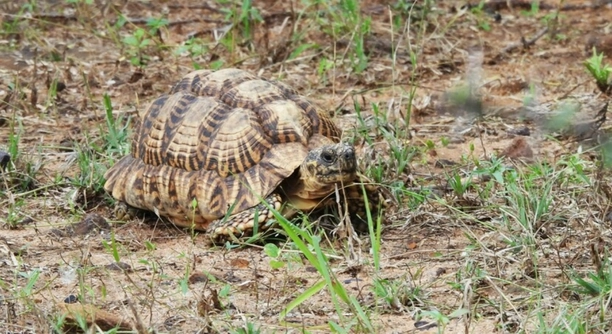
Are you concerned about your star tortoise’s skin turning red? Understanding the causes can help you address the issue and ensure your pet’s well-being.
The redness in your star tortoise’s skin may be due to various factors such as diet, temperature, or even an underlying health issue. It’s essential to identify the cause early to provide appropriate care and treatment.
The right care can make all the difference in your tortoise’s health. Let’s explore the common causes and how you can help your pet stay happy and healthy.
1. Temperature and Humidity Imbalance
The skin of your star tortoise can turn red if there is a problem with its environment. These reptiles require a specific temperature and humidity range to stay healthy. If their basking area is too hot or too cold, it can stress the tortoise and cause its skin to redden. Similarly, if the humidity is either too high or too low, it could result in skin irritation. Maintaining proper conditions can prevent skin issues, ensuring your tortoise stays comfortable.
The ideal temperature for a star tortoise’s basking area is around 95°F (35°C), with a cooler side ranging between 75-80°F (24-27°C). A humidity level of 50-60% is optimal. Monitoring these factors regularly can help you avoid skin problems.
To provide your tortoise with a comfortable habitat, invest in a reliable thermometer and hygrometer. Regularly adjust your setup, ensuring the temperature and humidity levels are within the recommended range. Making these simple changes can prevent skin discoloration and improve your tortoise’s overall well-being.
2. Poor Diet and Nutritional Deficiencies
A poor diet can affect the health of your star tortoise in many ways, including its skin. If your tortoise isn’t receiving enough of the right nutrients, its skin can show signs of distress. Vitamin and mineral deficiencies can lead to skin problems, including redness.
Feeding your tortoise a balanced diet, with a variety of leafy greens and occasional fruit, ensures it gets essential vitamins like A, D, and E. These vitamins help maintain healthy skin and prevent issues like redness. Calcium is also vital for their overall health, as a lack of it can lead to shell deformities and other problems.
To avoid these issues, supplement their diet with high-quality tortoise food that provides the right nutrients. You can also give your pet fresh greens, such as dandelion leaves, kale, and collard greens. Avoid feeding them too many high-oxalate vegetables like spinach, which can interfere with calcium absorption.
3. Skin Infections or Fungal Growth
Redness in your star tortoise’s skin may be due to a fungal infection or bacterial growth. If your tortoise’s habitat isn’t cleaned regularly, bacteria or fungi can thrive, causing skin irritations or infections. Keeping their environment clean is key to preventing this.
Infections usually begin as small spots or patches of redness. Over time, these areas can become more irritated and swollen. If left untreated, the infection can spread to other parts of the body, leading to more severe health issues. Regular cleaning of your tortoise’s enclosure, along with proper care, can prevent these problems.
To avoid skin infections, make sure to disinfect the enclosure frequently. Remove uneaten food, soiled bedding, and waste promptly. You can also use a mild antifungal or antibacterial solution to clean surfaces. Ensuring proper ventilation is essential to prevent excessive humidity, which can encourage bacterial and fungal growth.
4. Shell Damage or Injury
If your star tortoise’s skin turns red, it could be a sign of shell damage or injury. Tortoises are naturally curious creatures and can sometimes hurt themselves when exploring their environment. This could cause localized redness or swelling.
Shell damage may occur if your tortoise bumps into sharp objects, falls, or is handled roughly. In some cases, the skin around the shell can become irritated, resulting in redness. It’s important to assess the situation carefully and rule out any injuries.
You can help your tortoise by examining its shell for any cracks or marks. If there’s visible damage, avoid putting them in situations where they could be injured further. You may need to visit a vet if the damage is serious or if the skin shows signs of infection. Make sure your tortoise’s environment is free from objects that could cause harm.
5. Dehydration
Dehydration can cause your star tortoise’s skin to appear red or dry. When a tortoise isn’t drinking enough water, it can lead to several health problems, including skin issues. Always ensure your tortoise has access to fresh, clean water.
Tortoises can also show signs of dehydration through sunken eyes or lethargy. If you notice these symptoms alongside skin redness, it may indicate that your tortoise is not getting enough fluids. Increasing the humidity in their enclosure and offering water more frequently can help.
Ensure you’re providing your tortoise with fresh water in a shallow dish. Regular misting of their habitat will also help maintain proper hydration levels and improve skin condition.
6. Stress and Anxiety
Stress can lead to several health problems, including skin redness. Your star tortoise may become stressed due to sudden changes in its environment, improper handling, or overcrowding. When under stress, the body can react with physical symptoms like skin irritation.
A stressed tortoise may hide more often, have trouble eating, or show changes in behavior. Redness around the neck or limbs may appear, and the tortoise may become more defensive. Creating a calm, stable environment for your tortoise can reduce these stressors.
Keep handling to a minimum and avoid sudden changes in the habitat. Offer a safe, quiet space where your tortoise can feel secure. Ensuring proper temperature and humidity also helps alleviate stress and keeps your tortoise’s skin healthy.
7. Mites or Parasites
Mites or other external parasites can cause skin redness and irritation. These tiny pests can attach to your tortoise’s skin and cause discomfort, leading to inflammation. If your tortoise’s skin is red, itchy, or scaly, it might be dealing with a mite infestation.
Parasites are often picked up from unclean environments or contact with other infected reptiles. They can also affect your tortoise’s overall health, causing them to feel lethargic and lose appetite. Identifying and treating the issue early can prevent further complications.
Regularly check your tortoise’s skin and shell for any signs of mites or parasites. You can treat your pet with special mite treatments available from pet stores or a veterinarian. Always ensure your tortoise’s environment is clean and well-maintained to reduce the risk of parasites.
FAQ
What should I do if my star tortoise’s skin stays red for a long time?
If the redness persists, it’s important to closely monitor your tortoise’s behavior and health. Keep an eye on any other symptoms, like lethargy, appetite loss, or swelling. These could indicate an underlying issue, such as an infection or a health condition. If the redness continues for more than a few days, it’s best to consult a veterinarian. A professional will be able to determine whether the redness is a sign of something more serious and provide the necessary treatment.
How can I prevent my star tortoise from getting skin infections?
To prevent skin infections, cleanliness is key. Make sure to clean the enclosure regularly, removing waste, uneaten food, and soiled bedding. Also, ensure that your tortoise’s habitat has proper ventilation to prevent excessive humidity. If you notice any signs of infection, such as swelling or pus, seek veterinary care immediately. It’s important to address infections early to avoid complications.
Can a star tortoise’s diet cause skin problems?
Yes, a poor diet can lead to skin issues in star tortoises. Nutritional deficiencies, particularly a lack of vitamins A, D, and E, can affect the skin. Ensure your tortoise gets a variety of fresh greens like dandelion leaves, kale, and collard greens. Offer occasional fruits like strawberries or apples, but avoid too many high-oxalate vegetables such as spinach, as they can interfere with calcium absorption. A balanced diet is vital for maintaining healthy skin.
How do I know if my star tortoise is dehydrated?
Dehydration is a common problem for star tortoises, especially if they don’t have access to enough water. Signs of dehydration include dry, flaky skin, sunken eyes, and reduced activity. If your tortoise is showing these symptoms, offer it fresh water immediately and increase humidity levels in its habitat. You can also soak your tortoise in shallow water for about 20 minutes to help it rehydrate. Always make sure your tortoise has access to water and that its environment has the right humidity levels.
Can stress cause my star tortoise’s skin to turn red?
Yes, stress can lead to a variety of health issues in star tortoises, including skin redness. Stressors such as loud noises, handling, or sudden changes in their environment can cause skin irritation or redness. To reduce stress, create a stable environment with the right temperature, humidity, and lighting. Limit handling and avoid moving your tortoise around too much. Offering a quiet, secure space will help keep your tortoise calm and minimize stress-related skin issues.
How can I treat a star tortoise’s red skin at home?
If your star tortoise’s skin is slightly red but there are no signs of infection or injury, you can try treating the issue at home. First, check the temperature and humidity in its enclosure. Ensure they are at the proper levels, as this can help improve skin health. You can also offer your tortoise a soak in shallow, lukewarm water to help hydrate its skin. If redness persists or worsens, consult a veterinarian for advice.
Are there any signs that indicate my star tortoise is sick?
Yes, there are several signs that might indicate illness in your star tortoise. These include loss of appetite, lethargy, shell deformities, abnormal breathing, or changes in behavior. If you notice any of these symptoms along with red or irritated skin, it’s crucial to seek veterinary care right away. Prompt attention can prevent further complications and help your tortoise recover faster.
Can mites or other parasites cause red skin on my star tortoise?
Yes, mites and other external parasites can cause red, irritated skin on your tortoise. These pests can attach to your tortoise’s skin and cause itching, redness, and inflammation. If you suspect mites or other parasites, check your tortoise’s skin and shell for any unusual marks or scabs. You can treat parasites with specific medications or treatments designed for reptiles. A veterinarian can help diagnose and treat these issues effectively.
How often should I clean my star tortoise’s enclosure?
Cleaning your star tortoise’s enclosure is essential for maintaining its health. Ideally, you should spot clean the enclosure daily by removing waste, uneaten food, and any soiled bedding. A full cleaning, including disinfecting the enclosure and changing the bedding, should be done once a week. This will help prevent bacterial and fungal growth, which can lead to skin problems and other health issues.
Can temperature fluctuations cause skin redness in my star tortoise?
Yes, temperature fluctuations can stress your star tortoise and cause skin redness. Tortoises require a specific temperature range to thrive. If their basking spot is too hot or too cold, or if there are drastic changes in the environment, it can cause skin irritation. Make sure the temperature in your tortoise’s enclosure is stable and within the recommended range. Use a reliable thermometer to monitor the temperature and make adjustments as needed.
Final Thoughts
If your star tortoise’s skin is turning red, it’s important to address the issue as soon as possible. Skin redness can be a sign of a variety of factors, from environmental issues to diet or health problems. By closely observing your tortoise’s behavior and health, you can identify what might be causing the redness and take steps to correct it. In some cases, the cause is as simple as a temperature or humidity imbalance, which can be fixed by adjusting the enclosure. In other cases, the issue might be more serious, such as an infection, injury, or nutritional deficiency, requiring veterinary attention.
Providing a proper habitat with the right temperature, humidity, and clean conditions is essential for the well-being of your star tortoise. Regularly monitor the environment, and make sure your tortoise is getting the right balance of food and water. This can help prevent many common health problems, including skin issues. Remember, tortoises are sensitive to changes in their surroundings, so it’s important to maintain consistency in their care. By offering a stable, clean environment and a balanced diet, you can reduce the chances of skin redness or other health issues.
Lastly, don’t hesitate to consult a veterinarian if the problem persists or worsens. While minor skin irritation can be handled at home, serious health issues like infections, parasites, or dehydration should be treated by a professional. A vet will be able to give you a proper diagnosis and recommend the best course of action for your tortoise’s recovery. With the right care and attention, your star tortoise can recover from skin issues and continue to live a happy, healthy life.

Hello,
If you enjoy the content that we create, please consider saying a "Thank You!" by leaving a tip.
Every little bit helps us continue crafting quality advice that supports the health, happiness, and well-being of pets around the world, for pets of all shapes, sizes, and species.
We really appreciate the kindness and support that you show us!