
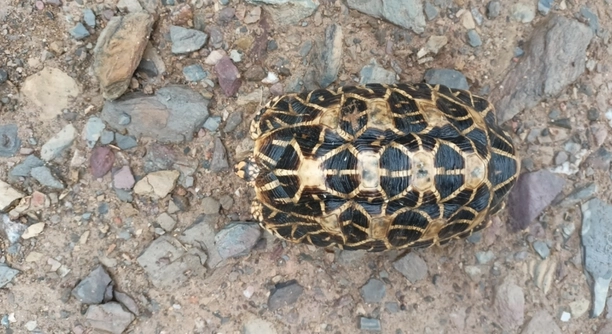
Is your star tortoise avoiding its hide, leaving you wondering if something is wrong? A tortoise’s hide is essential for comfort, security, and stress relief, so it can be concerning when they choose not to use it.
A star tortoise may refuse to use its hide due to improper placement, incorrect temperature, unsuitable substrate, or health issues. Stress, lack of familiarity, and insufficient space can also contribute to this behavior, requiring careful observation and adjustments.
A tortoise’s behavior can reveal a lot about its well-being. Learning the reasons behind this issue will help you create a more suitable environment for your pet’s needs.
Incorrect Hide Placement
The location of your star tortoise’s hide plays a big role in whether it gets used. If the hide is placed in an area with too much activity or bright light, your tortoise may feel exposed and avoid it. A hide should be positioned in a quiet, shaded spot within the enclosure to provide a sense of security. If it is too close to the basking area, it may be too warm, making it uncomfortable. On the other hand, if it is placed in a cold corner, your tortoise might not feel inclined to enter.
A well-placed hide should mimic a natural burrow. Tortoises seek shelter in places where they feel protected from predators and environmental changes. If the hide is in an open or busy area, it loses its purpose.
To encourage use, place the hide in a calm, shaded area with consistent temperatures. Avoid placing it near high-traffic zones or strong heat sources.
Unsuitable Temperature Inside the Hide
Tortoises rely on their environment to regulate body temperature. If the hide is too hot or cold, your tortoise may choose to stay elsewhere.
The temperature inside the hide should match the ideal range for a star tortoise, typically between 75°F and 85°F. If it falls outside this range, your tortoise might avoid it. A hide that is too warm can cause overheating, while one that is too cold may be uncomfortable. Using a thermometer inside the hide helps maintain the correct temperature. Heat mats or ceramic heaters can provide warmth if needed, while ventilation ensures excess heat does not build up.
To make the hide more inviting, check the temperature regularly and adjust it as necessary. Ensuring a stable and comfortable environment encourages your tortoise to use its hide for rest and relaxation.
Unsuitable Substrate
If the substrate inside the hide is uncomfortable, your tortoise may avoid it. A surface that is too rough, damp, or unnatural can make the hide unappealing. The right substrate should mimic the soft, earthy feel of a tortoise’s natural habitat.
A dry, loose substrate like a mix of topsoil and coconut coir works well. If the hide is lined with hard surfaces, it may feel uninviting. Sand should be avoided, as it can cause irritation. Damp substrate can lead to respiratory issues, making the hide an unhealthy space. Regularly checking for mold and moisture buildup ensures the substrate remains dry and safe. Tortoises often burrow into their bedding, so providing a soft layer allows for natural digging behavior.
Replacing the substrate as needed keeps it fresh and comfortable. Choosing a material that retains some humidity without becoming damp makes the hide a welcoming retreat.
Stress or Anxiety
Changes in the environment, frequent handling, or loud noises can stress a tortoise. A stressed tortoise may avoid its hide and stay in open areas instead. Even small changes, like rearranging the enclosure, can cause discomfort.
To reduce stress, keep handling to a minimum and maintain a consistent setup. A predictable environment helps a tortoise feel safe. If the enclosure is placed in a noisy area, moving it to a quieter location may help. Other pets or sudden movements can also cause anxiety, so keeping disturbances low is important. Offering hiding spots in multiple areas can give your tortoise more options to retreat when feeling uneasy.
Creating a calm and stable environment encourages natural behaviors. Reducing external stressors makes the hide a place of comfort rather than something to avoid.
Lack of Familiarity
A tortoise may avoid a new hide simply because it is unfamiliar. It can take time for them to recognize it as a safe space. Keeping the hide in the same spot and allowing your tortoise to explore at its own pace helps with adjustment.
The scent and texture of a new hide can also play a role. If the hide has a strong smell from manufacturing, airing it out before placing it in the enclosure may help. Adding a small amount of familiar substrate inside can make it feel more natural and inviting.
Health Issues
If a tortoise is avoiding its hide and showing signs of lethargy, lack of appetite, or irregular behavior, a health issue could be the cause. Respiratory infections, parasites, or shell problems may make certain areas uncomfortable. A vet visit ensures any underlying health problems are properly addressed.
Insufficient Space
A hide that is too small can feel restrictive, while one that is too large may not provide enough security. The hide should be spacious enough for the tortoise to enter and turn around comfortably but snug enough to create a sense of protection.
FAQ
Why is my star tortoise not using its hide?
A star tortoise may not use its hide due to various reasons, such as an unsuitable environment or a lack of comfort. The hide may be placed in an area with too much traffic or bright lighting, which makes the tortoise feel exposed. If the temperature inside the hide is not appropriate, or if the substrate is uncomfortable or too damp, the tortoise might avoid it. Additionally, stress caused by environmental changes, handling, or noise can also discourage your tortoise from using its hide.
How can I make the hide more appealing to my star tortoise?
To make the hide more appealing, ensure it is in a quiet, shaded area away from traffic. Keep the temperature within the range of 75°F to 85°F inside the hide to encourage comfort. Use a soft, dry substrate like coconut coir or topsoil, and avoid dampness, which could lead to health problems. If possible, add a small amount of familiar bedding to the hide to help your tortoise adjust more quickly.
What temperature should the hide be?
The temperature inside the hide should be between 75°F and 85°F, as this range is ideal for your star tortoise. If the hide is too cold, it may cause discomfort, while a temperature that is too warm can lead to overheating. Use a thermometer to monitor the temperature inside the hide and adjust the heating sources as needed to maintain this range.
Can stress prevent my star tortoise from using its hide?
Yes, stress can prevent your tortoise from using its hide. Changes in the environment, excessive handling, or loud noises can make your tortoise feel insecure. A tortoise may avoid its hide in favor of staying in more open spaces if it feels threatened or uncomfortable. To reduce stress, provide a stable and calm environment with minimal disturbances. Ensure that the enclosure is placed in a quiet, low-traffic area of your home.
Should I change the hide if my tortoise doesn’t use it?
Before changing the hide, first assess if the environment is suitable. If your star tortoise is not using the hide, try to identify issues such as temperature, placement, or stress factors. If the hide itself is too small, uncomfortable, or poorly placed, it might be worth replacing it with something more suitable. However, changes should be gradual, as tortoises may take time to adjust to new items in their habitat.
How can I tell if my star tortoise is sick?
A sick star tortoise may show signs of lethargy, loss of appetite, or irregular movements. If your tortoise is avoiding its hide and appears sluggish or uncomfortable, it could indicate an underlying health problem. Other symptoms of illness include respiratory issues (such as wheezing or nasal discharge), shell abnormalities, or abnormal behavior. A visit to the vet is recommended if you notice any of these signs to ensure your tortoise receives proper care.
Can I place multiple hides in my star tortoise’s enclosure?
Yes, offering multiple hides in the enclosure can give your star tortoise more options to retreat to, especially if it feels stressed or threatened. Multiple hides provide opportunities for your tortoise to choose the most comfortable space based on its needs at that moment. Just ensure the hides are placed in quiet, secure areas of the enclosure, and that they are all appropriately sized and temperature-controlled.
What is the best type of hide for a star tortoise?
The best hide for a star tortoise is one that closely mimics a natural burrow. Look for a hide made from natural materials, like wood or clay, that offers both ventilation and security. The hide should be large enough for the tortoise to enter, turn around, and rest comfortably, but snug enough to make it feel secure. A hide that provides a cool, shaded space is ideal for helping your tortoise regulate its body temperature and feel safe.
Can I use a plastic hide for my star tortoise?
Plastic hides can be used for a star tortoise, but they are not always the best option. While plastic hides are easy to clean, they may not provide the natural feel that your tortoise prefers. A hide made from natural materials, such as wood or ceramic, can offer more comfort and security. However, if you do use a plastic hide, make sure it is the right size, and that the interior is not too slippery, as this could make your tortoise feel uneasy.
What if my tortoise keeps staying in the open instead of hiding?
If your star tortoise stays in the open and avoids its hide, it could be due to several factors. It might feel too warm or too cool inside the hide, or it could be that the hide is placed in an area that doesn’t feel secure. Alternatively, your tortoise could be stressed or not yet familiar with the hide. Check the temperature and environment around the hide, and make sure it is placed in a quiet, calm area. If the issue persists, try adding a second hide or rearranging the enclosure to see if this helps.
Should I remove the hide if my star tortoise doesn’t use it?
It’s not necessary to remove the hide if your star tortoise isn’t using it immediately. Tortoises can be slow to adapt, and they might need time to get comfortable with new items in their environment. If your tortoise continues to avoid the hide, consider adjusting the temperature, location, or substrate. Providing a second hide might also encourage use. Only remove the hide if it’s clearly causing discomfort or stress.
Final Thoughts
Understanding why your star tortoise isn’t using its hide can be challenging, but it’s essential to observe its behavior and environment carefully. The hide is meant to provide a safe and comfortable space where your tortoise can retreat, rest, and feel secure. If your tortoise isn’t using the hide, it could be due to various factors, including its location, temperature, or substrate. Stress and anxiety can also play a significant role, so creating a calm and stable environment is key. It’s important to remember that tortoises can be slow to adapt to changes, so patience and consistency are crucial.
If you’ve ruled out health issues and your tortoise still isn’t using its hide, try experimenting with different setups. Moving the hide to a quieter or more shaded area could make it more appealing. Ensure that the temperature inside the hide stays within the right range for your star tortoise. Substrate that is too damp or rough may be off-putting, so choose soft, dry materials like coconut coir or topsoil. A hide should feel like a safe retreat, not a place that causes discomfort. Sometimes, adding a familiar item like a small piece of your tortoise’s favorite bedding can make a big difference.
Lastly, remember that each tortoise is unique, and it may take some time for your pet to adjust to its new hide or any changes in the environment. If your star tortoise continues to avoid its hide, it’s worth considering adding a second hide or providing more options for security. By creating the right environment and offering comfort and stability, you will help ensure that your star tortoise feels safe and content in its habitat. Over time, your tortoise should learn to use the hide as a place of refuge.

Hello,
If you enjoy the content that we create, please consider saying a "Thank You!" by leaving a tip.
Every little bit helps us continue crafting quality advice that supports the health, happiness, and well-being of pets around the world, for pets of all shapes, sizes, and species.
We really appreciate the kindness and support that you show us!