
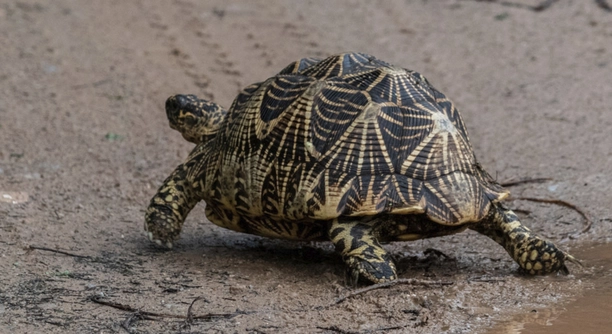
Sometimes, a Star Tortoise might stop moving, which can be concerning for pet owners. It’s important to know why this happens to ensure your tortoise’s well-being and address any possible health or environmental issues.
There are several reasons why your Star Tortoise might not be moving, such as temperature issues, stress, or health problems like dehydration or illness. Each cause requires different actions, so it’s essential to observe your tortoise carefully and act accordingly.
Understanding these potential causes will help you figure out what’s going on and how to improve your tortoise’s situation.
Temperature Issues
One of the most common reasons for your Star Tortoise to stop moving is improper temperature. These reptiles are cold-blooded, meaning they rely on their environment to regulate their body temperature. If the tank is too cold, your tortoise will become sluggish and may appear inactive.
For optimal health, your tortoise needs a basking area between 90°F and 95°F and a cooler area around 75°F to 80°F. Without these temperature variations, your tortoise will likely retreat to a corner, trying to conserve energy. Keep in mind that the heat source should be positioned in a way that creates these warm and cool zones.
When adjusting the temperature, make sure you use a reliable thermometer. Monitor the heat throughout the day, as fluctuations can affect their behavior. A well-regulated environment will help your tortoise feel comfortable, encouraging them to move and explore more frequently. Providing the right temperature is key to their overall health and activity.
Stress
Stress can also cause your Star Tortoise to be less active.
Tortoises can feel stressed due to sudden changes in their environment, handling too much, or loud noises around their enclosure. These factors can make them retreat into their shells or stay inactive.
Dehydration
Dehydration is another reason why your Star Tortoise might not be moving.
If your tortoise isn’t drinking enough water, it can become sluggish. Like many reptiles, tortoises need access to fresh water every day. Dehydration can lead to a lack of energy and inactivity. It’s important to keep their water bowl clean and filled at all times.
In addition to offering fresh water, you can try soaking your tortoise in shallow, lukewarm water for about 15-20 minutes. This will help them absorb moisture through their skin. Make sure the water is not too deep, as tortoises can struggle to get out of water if it’s too high. A hydrated tortoise will move more and feel better overall.
Illness or Injury
Sometimes, illness or injury can cause your tortoise to stay still.
A sick or injured Star Tortoise may not want to move as a way of conserving energy. Common signs of illness include a lack of appetite, wheezing, or discharge from the eyes or nose. Injuries might not always be obvious but can lead to immobility.
Poor Diet
A poor diet can also contribute to a lack of movement in your Star Tortoise.
If your tortoise isn’t getting the right nutrients, it can become lethargic. A diet that lacks variety, especially calcium and fiber, can lead to weakness. It’s important to feed your tortoise leafy greens, vegetables, and occasional fruits.
Overfeeding with fruits or offering too much of a single type of food can also cause digestive issues, leading to inactivity. Make sure you vary their food choices, offering high-quality food and avoiding processed items. A balanced diet helps your tortoise stay active and healthy, which is essential for their well-being.
Tank Size
An inadequate tank size can restrict your tortoise’s movement.
If your tortoise’s habitat is too small, it may feel cramped and reluctant to move around. It’s essential to provide enough space for your tortoise to roam freely and explore. A larger enclosure encourages activity and gives your pet room to exercise and stay healthy.
FAQ
Why is my Star Tortoise staying in one spot?
If your Star Tortoise is staying in one spot, it could be due to a number of reasons. It might be a sign that the environment isn’t right. Check the temperature in the tank. If it’s too cold, your tortoise may be inactive. Star Tortoises need a basking area of around 90°F to 95°F and a cooler area of 75°F to 80°F. Without the right temperature gradient, they may not feel comfortable moving.
Another possibility is that the tortoise is stressed or uncomfortable with its environment. Too much handling, sudden changes, or even loud noises can cause a tortoise to retreat and stay still. Make sure the tank is in a quiet place where it won’t be disturbed too often.
How often should I feed my Star Tortoise?
Your Star Tortoise should be fed every other day, though this can vary depending on its age and activity level. Young tortoises need more frequent feedings than older ones, who can eat less often. Offer a variety of leafy greens like kale, dandelion greens, and romaine lettuce. You can also add occasional fruits like strawberries or melon, but keep them to a minimum because they are high in sugar.
Avoid feeding too much protein, as it can cause kidney problems. Calcium is also crucial for a tortoise’s shell and bones, so sprinkle some calcium powder on their food a few times a week. Always offer fresh water daily, as hydration is essential for their health and energy levels.
What is the ideal tank size for a Star Tortoise?
A Star Tortoise needs plenty of space to move around. The minimum recommended tank size is 40 gallons for one tortoise. However, larger enclosures are always better. If you have the space, consider getting a tank that’s at least 75 gallons for one tortoise, or even larger if possible. The more space your tortoise has, the more likely it will stay active and engaged.
Make sure the tank has a mix of warm and cool zones, as well as hiding spots where your tortoise can feel safe. If your tortoise doesn’t have enough room to roam, it may become stressed and less likely to move around.
How can I tell if my Star Tortoise is sick?
If your Star Tortoise is not moving, it could be a sign of illness, but there are other signs to watch for. Look for changes in their eating habits. If your tortoise refuses food or becomes less active than usual, it could indicate health problems. You should also check for any discharge from the eyes or nose, labored breathing, or an abnormal shell.
Limping or swelling in the limbs can suggest injury, while a soft or deformed shell could be a sign of metabolic bone disease. If you notice any of these symptoms, it’s best to consult a veterinarian who specializes in reptiles to get an accurate diagnosis and treatment.
Can I handle my Star Tortoise?
Yes, you can handle your Star Tortoise, but it’s important to do so gently. Avoid picking it up too often, as constant handling can stress the tortoise. When you do handle it, try to be calm and slow, making sure to support the tortoise’s body properly.
Tortoises are naturally shy creatures, and over-handling can lead to anxiety. If your tortoise is staying still or seems unresponsive, it might be trying to tell you it needs some alone time. Always give your pet a chance to retreat into its shell and rest.
What should I do if my Star Tortoise is not eating?
If your Star Tortoise isn’t eating, there could be several reasons behind this. Stress is a common cause, so check if anything in the environment has changed recently, such as temperature, noise levels, or handling.
Dehydration could also be the issue. Make sure your tortoise has access to clean water at all times. You might want to try soaking your tortoise in shallow water to help with hydration. If the temperature in the enclosure is too low, your tortoise may not feel active enough to eat, so adjusting the temperature can help.
If these factors don’t improve the situation and your tortoise still isn’t eating, it’s time to consult a reptile veterinarian. Lack of appetite can also be a sign of illness or an underlying health problem.
How can I keep my Star Tortoise active?
To keep your Star Tortoise active, make sure it has a large enough enclosure to roam around. A bigger tank encourages movement and exercise, which is important for your tortoise’s health.
Provide a variety of obstacles, such as hiding spots, logs, or rocks, to encourage your tortoise to explore and climb. Regularly change the environment by rearranging its enclosure, as this can keep it engaged. A proper temperature gradient with both a warm basking area and a cooler zone will also motivate your tortoise to move.
Additionally, a well-balanced diet with fresh greens and occasional fruits will provide the energy needed for activity. Avoid overfeeding or giving too many high-sugar foods, as this can make your tortoise sluggish.
Final Thoughts
Understanding why your Star Tortoise is not moving is important for both its well-being and your peace of mind. There are many possible reasons for inactivity, from environmental factors like temperature to health issues such as dehydration or illness. Paying attention to your tortoise’s habitat and behavior can help you spot the problem early. The key is to create an environment that is comfortable and stress-free, as this will encourage your tortoise to be more active.
It’s also important to remember that Star Tortoises, like all animals, need a balanced diet to stay healthy and energetic. Offering them a variety of leafy greens, fruits in moderation, and the proper nutrients, such as calcium, helps them thrive. Regularly monitoring the temperature of their enclosure and making sure they have plenty of space to move around also plays a significant role in their activity levels. A proper environment, along with consistent care, will keep your tortoise active and happy.
If you’ve adjusted their environment, diet, and routine, and your tortoise still shows signs of sluggishness, don’t hesitate to seek advice from a vet. It’s always best to be cautious and get a professional opinion if your tortoise is not acting as it usually does. A healthy tortoise is an active tortoise, so taking the right steps will ensure that your pet stays as lively as possible. By understanding their needs and providing the proper care, you’ll be helping your Star Tortoise lead a long, healthy, and active life.

Hello,
If you enjoy the content that we create, please consider saying a "Thank You!" by leaving a tip.
Every little bit helps us continue crafting quality advice that supports the health, happiness, and well-being of pets around the world, for pets of all shapes, sizes, and species.
We really appreciate the kindness and support that you show us!