
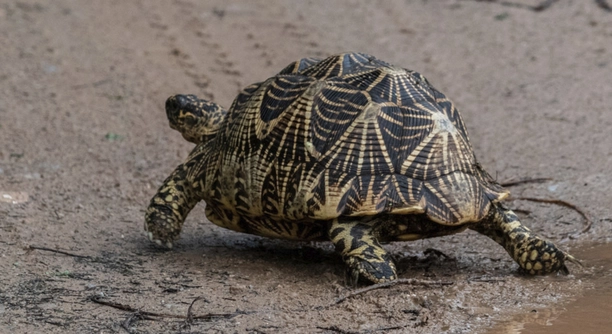
Star tortoises are fascinating creatures, and their behavior can sometimes be puzzling. If you’ve noticed your star tortoise kicking its legs more than usual, you might be wondering why this is happening.
In most cases, excessive leg kicking in star tortoises is due to stress, discomfort, or a health issue. Environmental factors, such as temperature and humidity, can also play a role in causing this behavior.
Understanding these reasons can help you address the issue quickly. By identifying the root cause, you can create a better environment and ensure your tortoise remains healthy and comfortable.
Stress and Anxiety Can Trigger Leg Kicking
Stress is a common cause of leg kicking in star tortoises. When these reptiles feel threatened, scared, or overwhelmed, they may show signs of distress, including excessive leg movements. Stress can come from various sources, such as sudden changes in their environment or loud noises. If your tortoise is not used to being handled or is in a busy area with lots of commotion, it can lead to anxiety. Another stress factor could be the presence of other animals in the same space, as they might make your tortoise feel unsafe.
If your star tortoise is acting more restless than usual, it’s worth checking whether there are any changes in their surroundings. Make sure they have a quiet, safe area where they can retreat and feel secure. Also, avoid making abrupt movements or noises that might startle them. A calm environment will help reduce stress and prevent behaviors like leg kicking.
Keep in mind that while some level of stress is normal, prolonged stress can lead to health issues. It’s important to address any stressors and give your tortoise time to relax and adjust. Being mindful of their environment will go a long way in making them feel comfortable and at ease.
Incorrect Temperature or Humidity Levels
Temperature and humidity imbalances are another reason why your star tortoise might be kicking its legs. These reptiles thrive in specific conditions, and if their habitat doesn’t meet these needs, they can become restless.
Make sure your tortoise’s enclosure maintains the right balance of temperature and humidity. If the environment is too hot or too cold, it can cause your tortoise discomfort and lead to unusual behaviors like leg kicking. Consider investing in a thermometer and hygrometer to monitor these levels carefully. Proper lighting, such as UVB bulbs, is also crucial to their well-being. The right conditions will not only keep your tortoise comfortable but also promote its overall health.
Physical Discomfort or Injury
If your star tortoise is experiencing physical pain or discomfort, it might kick its legs more than usual. Injuries to their limbs or shell can cause them to move in unusual ways. Always check for any visible signs of injury.
Sometimes, tortoises may not show obvious signs of injury, but you may notice them moving awkwardly or not walking as they normally do. If your tortoise is kicking its legs or struggling to move, it could be due to a sprain, fracture, or pressure sores caused by improper substrate. Always inspect their limbs and shell closely to rule out any injuries.
If there are no visible injuries but your tortoise is still kicking its legs excessively, it may be experiencing internal discomfort. Issues like gastrointestinal problems or impaction can cause pain and restlessness. In such cases, consulting a vet is the best course of action. Keeping their enclosure free from sharp or rough materials is also essential for preventing injuries.
Incorrect Substrate or Bedding
The bedding you use in your tortoise’s enclosure can also contribute to leg kicking. Certain types of substrate, such as sharp gravel or rough sand, can irritate their limbs and cause them to kick out of discomfort.
Make sure the substrate is soft and comfortable. Tortoises need a bedding material that allows them to move freely without causing irritation or injury. Coconut coir, organic soil, or grass hay are some great options. Avoid using materials like cedar or pine shavings, as the oils can be harmful to their skin and respiratory system. A smooth, comfortable surface will prevent discomfort and leg kicking.
Providing the right bedding material helps your star tortoise feel more relaxed and secure. It also aids in maintaining the correct humidity levels. It’s always worth checking if your tortoise’s environment is set up to promote comfort and well-being, which can also reduce unnecessary movement.
Lack of Space in the Enclosure
A cramped living space is a common reason for leg kicking in star tortoises. If their enclosure is too small, they may become restless and try to move in ways that are not typical.
Tortoises need enough space to move around comfortably and express natural behaviors. If they are confined to a small area, they may show signs of stress and frustration, leading to excessive leg movements. Ensure your tortoise’s habitat is large enough for them to roam and explore. The more room they have, the less likely they are to display distress through leg kicking.
Overfeeding or Improper Diet
Overfeeding can cause discomfort and excessive kicking in tortoises. If they are eating more than they need, it can lead to digestive issues, making them feel uneasy.
A balanced diet is key to maintaining your tortoise’s health. Providing too many high-fat foods or feeding them excessively can cause digestive upset. Stick to a varied, nutritious diet that’s appropriate for their species. Overfeeding not only leads to leg kicking but can cause obesity and other health problems. It’s important to feed them the right amount of food to keep them happy and healthy.
Dehydration or Insufficient Water
Dehydration is another common reason for a tortoise to kick its legs. If they’re not getting enough water, they may become uncomfortable and restless.
Ensure your star tortoise has access to fresh water at all times. Dehydration can lead to digestive issues, decreased activity, and discomfort. A shallow water dish works best, as tortoises may struggle to drink from deep bowls. Monitor their hydration closely, as maintaining proper fluid intake is vital for their overall health.
FAQ
Why is my star tortoise kicking its legs so much?
Excessive leg kicking in star tortoises is often a sign of discomfort, stress, or a health issue. It could be related to the environment (such as improper temperature, humidity, or substrate), physical discomfort from an injury, or even internal problems like digestive issues. Stress from loud noises, changes in their surroundings, or a cramped living space could also cause this behavior. It’s important to assess their living conditions and check for any signs of injury or discomfort to address the issue properly.
Can a star tortoise’s environment cause leg kicking?
Yes, an unsuitable environment can definitely lead to excessive leg kicking. Star tortoises need a specific temperature range and humidity level to stay comfortable. If their habitat is too hot, too cold, or too dry, they may become restless and start kicking their legs. Additionally, a cramped or overly noisy environment can stress them out, prompting the same behavior. Ensure their enclosure provides the right conditions to avoid unnecessary discomfort.
How can I tell if my tortoise is injured?
If your star tortoise is injured, it may show signs of limping, not walking properly, or avoiding movement altogether. You should also check for any visible wounds or swelling around the legs, shell, or head. If your tortoise seems to be moving in an awkward or abnormal way, it’s best to examine their limbs and shell for injuries. Even if there are no visible signs, discomfort or internal injury might still be present, so it’s always a good idea to consult a vet if you suspect anything.
Could my tortoise be stressed from handling?
Yes, star tortoises can become stressed if handled too much or too roughly. Tortoises are naturally shy creatures, and they can feel vulnerable when picked up or handled too frequently. Overhandling can make them anxious, leading to behaviors like leg kicking. If your tortoise seems stressed, try to reduce how often you handle them and ensure that their enclosure remains a safe and peaceful environment.
How can I prevent stress in my star tortoise?
To prevent stress, ensure that your tortoise’s environment is quiet, calm, and secure. Minimize loud noises, sudden changes, and potential threats like other animals. Additionally, provide enough space for them to move around without feeling cramped. Regular, gentle handling is okay, but avoid excessive interaction, especially if they seem uncomfortable. Consistently maintaining a stable, peaceful environment helps keep stress levels low.
What temperature and humidity levels are ideal for a star tortoise?
Star tortoises prefer temperatures between 85-90°F (29-32°C) during the day, with a nighttime drop to around 75°F (24°C). They also require a basking spot that is slightly warmer, around 95°F (35°C). Humidity should be kept around 50-60%, and you can achieve this by misting their habitat occasionally and using a humidifier if needed. It’s important to monitor these levels to avoid any discomfort that might cause excessive leg kicking.
What should I do if my tortoise’s leg kicking continues?
If the leg kicking persists despite changes in their environment and routine, it’s best to consult a vet. There may be underlying health problems like internal issues, impaction, or infections causing the behavior. A vet can help identify the exact cause and provide the necessary treatment. In the meantime, make sure their living conditions are ideal, and keep them as stress-free as possible.
Is leg kicking always a sign of a health problem?
Not always. While it can indicate a health issue or physical discomfort, leg kicking can also be a result of stress, environmental factors, or even boredom. Tortoises may kick their legs if they feel their space is too small, if they’re not getting enough stimulation, or if there are problems with the substrate. It’s important to look at the overall situation and address any potential factors that might be contributing to the behavior.
Can overfeeding lead to leg kicking?
Yes, overfeeding can cause digestive problems, which may make your star tortoise feel uncomfortable or restless. Overfed tortoises may experience bloating or difficulty digesting food, which can lead to unusual behavior like leg kicking. It’s important to feed your tortoise a balanced diet with the right portion sizes to avoid this issue. Stick to the recommended amounts for their age, size, and species to prevent overfeeding and ensure their digestive system works properly.
What are some signs of dehydration in star tortoises?
Signs of dehydration include lethargy, a dry and shriveled appearance, and a lack of appetite. If a tortoise is dehydrated, they might also become more agitated and restless, sometimes leading to behaviors like leg kicking. Ensure that your star tortoise always has access to clean, fresh water. If you suspect dehydration, offering water in a shallow dish can encourage them to drink. If the condition persists, it’s best to consult a vet.
How do I choose the right substrate for my star tortoise?
Choosing the right substrate is essential for your tortoise’s comfort and health. Avoid sharp, rough materials like gravel or sand that can irritate their skin and cause injury. Instead, opt for soft substrates like coconut coir, organic soil, or grass hay. These materials provide a comfortable surface for them to walk on and help maintain the right humidity levels. It’s also important to keep the substrate clean and dry to prevent any bacterial growth or infections.
Final Thoughts
Understanding why your star tortoise is kicking its legs is essential to ensuring its well-being. This behavior can be caused by various factors, including stress, discomfort, environmental issues, or health problems. By observing your tortoise closely and addressing potential issues, you can help them feel more comfortable and reduce excessive leg movements. It’s important to monitor their environment, including temperature, humidity, and substrate, as these play a significant role in their behavior. Proper hydration, a balanced diet, and adequate space to move around are also crucial in maintaining a healthy, happy tortoise.
If you’ve already made adjustments to your star tortoise’s environment and they continue to kick their legs excessively, it may be time to consult a vet. Persistent leg kicking could be a sign of an injury, internal discomfort, or a more serious health issue. A vet will be able to assess your tortoise’s condition, rule out any underlying health problems, and provide the necessary treatment. It’s always better to be cautious and seek professional advice when you notice unusual behavior in your pet, as early intervention can prevent more serious complications later on.
Finally, remember that star tortoises are sensitive creatures that thrive in stable, calm environments. Providing them with the right care, including proper handling, a suitable habitat, and a consistent routine, will help reduce stress and allow them to live a long, healthy life. While it can be worrying to see your tortoise display unusual behavior, most issues can be resolved with some simple changes. Whether it’s adjusting their habitat or seeking professional help, being proactive about their care is key to their overall health and happiness.

Hello,
If you enjoy the content that we create, please consider saying a "Thank You!" by leaving a tip.
Every little bit helps us continue crafting quality advice that supports the health, happiness, and well-being of pets around the world, for pets of all shapes, sizes, and species.
We really appreciate the kindness and support that you show us!