
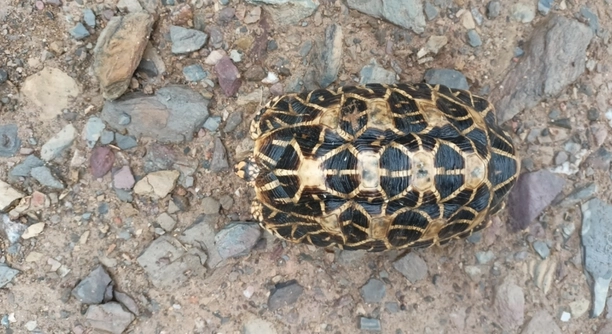
Is your star tortoise avoiding its food? This behavior can be worrying for any pet owner, but there are several possible causes for this issue that you should be aware of. Understanding the root of the problem will help you address it effectively.
The main reasons for a star tortoise avoiding its food can include stress, incorrect temperature, illness, or an unbalanced diet. Environmental changes, lack of activity, or even improper feeding times can also contribute to this behavior.
There are a variety of factors that might be influencing your tortoise’s food preferences. Knowing what to look for will help you solve the problem and keep your pet healthy.
Stress or Environmental Changes
Stress is one of the main reasons why your star tortoise might be avoiding its food. Any sudden change in their environment can lead to a decrease in appetite. Things like a move to a new tank, loud noises, or new pets in the home could be enough to make them anxious. Tortoises are creatures of habit, and they don’t respond well to sudden changes in their surroundings. Their stress can also be heightened if they feel threatened by other animals or people. This anxiety can affect their eating habits, causing them to stop eating altogether or eat much less.
If your tortoise is stressed, it may not show immediate signs. You might notice that it hides more, becomes less active, or seems withdrawn. These behaviors indicate it is not feeling comfortable, which can lead to a lack of appetite.
To help reduce stress, keep the environment as stable as possible. If you’ve recently made changes, give your star tortoise some time to adjust. Avoid handling it too much during this period, and try to provide a peaceful space. It will likely return to normal eating habits once it feels secure again.
Incorrect Temperature
Temperature plays a crucial role in your tortoise’s digestion and overall well-being. If the tank is too cold or too hot, it can affect your tortoise’s appetite. Star tortoises are cold-blooded and rely on the right external temperature to regulate their body functions. Inconsistent heat can cause them to feel sluggish and less interested in eating. The proper temperature for your tortoise should range between 75°F and 90°F, with a basking area slightly warmer.
A temperature that is too low can make the tortoise feel cold and inactive, leading to a decreased desire to eat. Conversely, temperatures that are too high can cause overheating and stress, further affecting appetite. Ensure that your star tortoise has access to both cooler and warmer areas within its tank so it can regulate its body temperature accordingly.
By maintaining a steady and suitable temperature range, you can help encourage your tortoise to eat. This is crucial for its digestion, as they need warmth to process food properly. Adjust the tank’s heating system if necessary, and use a thermometer to monitor the temperature regularly.
Illness or Injury
If your star tortoise is feeling unwell or has an injury, it may avoid eating. Illness can cause discomfort, making the tortoise less interested in food. Infections or parasites are common health problems that can affect appetite. Injuries, even minor ones, can also lead to a decrease in eating.
Look for signs of illness, such as swelling, limping, or unusual behavior. If your tortoise isn’t eating and shows any of these symptoms, it might be time for a visit to the vet. Illnesses can go unnoticed, so always be on the lookout for subtle changes in behavior.
Star tortoises are resilient, but they can be vulnerable to health issues like respiratory infections or gut problems. If they seem lethargic or have abnormal stool, they might need medical attention. A vet can help diagnose the problem and guide you through treatment. Early intervention will increase the chances of a full recovery.
Unbalanced Diet
An unbalanced diet can also cause your star tortoise to avoid food. A proper diet includes a variety of leafy greens, vegetables, and occasional fruits. If the diet lacks essential nutrients or has too many high-protein foods, the tortoise may not feel hungry.
Feeding a repetitive diet of only one type of food can make your tortoise lose interest in eating. It’s important to mix up the food options, providing a balanced and varied diet. Too much of the same food can lead to boredom and an imbalance in nutrients.
Avoid overfeeding with rich or high-protein foods, as they can make your tortoise feel full but not nourished. Make sure to include a variety of greens such as dandelion leaves, collard greens, and endive, along with small amounts of fruits like melon or berries. A varied diet will encourage better eating habits and ensure your star tortoise is getting all the nutrients it needs for a healthy life.
Feeding Time and Schedule
Inconsistent feeding times can confuse your star tortoise, leading to a lack of appetite. If feeding times are irregular, your tortoise may not understand when to expect food. Tortoises thrive on routine and predictability.
Try to feed your tortoise at the same time each day. This helps establish a feeding routine, so your tortoise knows when food will be available. Sticking to a schedule will make it easier for your pet to adjust and feel hungry when it’s time to eat.
Over time, a stable feeding schedule will not only encourage better eating habits but also make the process feel more natural for your star tortoise. This consistency helps reduce stress and gives your pet the confidence it needs to eat.
Tank Size
The size of your star tortoise’s tank can affect its eating habits. A small enclosure may make your tortoise feel cramped, stressed, or unable to move freely, which can decrease appetite.
Tortoises need space to roam around, bask, and explore. A tank that is too small will limit their movement, causing them to feel unsettled. Make sure your tortoise has enough room to move around comfortably, and provide hiding spots or obstacles to encourage natural behaviors.
Overcrowding
Having too many animals in the same enclosure can lead to stress and discomfort for your star tortoise. Overcrowding reduces space, increases competition for food, and may result in territorial behavior, which can make your tortoise anxious.
If you have other pets in the tank, ensure there is enough space for each one. Overcrowding can lead to fights, higher stress levels, and a lack of appetite. To avoid this, consider separating pets or providing larger enclosures to ensure a peaceful environment for all your animals.
FAQ
Why is my star tortoise not eating after moving to a new tank?
Moving to a new tank can be a stressful experience for your star tortoise. The unfamiliar environment, changes in temperature, and even new smells can make your tortoise feel anxious. Tortoises are creatures of habit, and disruptions to their routine, like a new habitat, can cause them to lose interest in food. It’s important to give your star tortoise some time to adjust. During this period, try to maintain a consistent temperature, avoid too much handling, and keep things quiet. Your tortoise will likely begin eating once it feels more comfortable.
How can I tell if my star tortoise is sick or just stressed?
It can be tricky to tell the difference between illness and stress, as both can lead to a lack of appetite. Illnesses such as respiratory infections, gastrointestinal problems, or parasites can cause changes in behavior and eating habits. If your tortoise shows symptoms like swollen eyes, labored breathing, or abnormal stool, it could be sick. On the other hand, if your tortoise seems withdrawn, hides often, or is more inactive without any physical signs of illness, stress is likely the cause. A visit to the vet will help determine if there’s an underlying health issue.
Can I feed my star tortoise the same food every day?
Feeding your star tortoise the same food every day is not recommended. A varied diet is essential to ensure your tortoise gets all the necessary nutrients. Relying on one type of food can lead to nutritional imbalances and may also cause your tortoise to lose interest in eating. Include a mix of leafy greens, like dandelion, collard greens, and kale, as well as occasional fruits like strawberries or melon. Variety keeps your tortoise’s diet balanced and makes mealtime more exciting for them.
Is it normal for my star tortoise to fast for a day or two?
Yes, it is normal for your star tortoise to fast for a day or two, especially if there are changes in its environment or routine. Tortoises, like many reptiles, can go without food for short periods without any significant harm. However, if your tortoise continues to refuse food for more than a few days, or if there are other signs of illness, it’s a good idea to check with a veterinarian. Long periods of fasting can lead to dehydration or other health problems if not addressed.
How do I know if the temperature in my tortoise’s tank is correct?
The correct temperature is crucial for your star tortoise’s digestion and overall health. Ideally, the temperature should be between 75°F and 90°F, with a basking area of around 95°F. You can check the temperature with a reliable thermometer to ensure your tank is within this range. If the tank is too cold, your tortoise may become sluggish and refuse food. If it’s too hot, it can lead to overheating, which can stress your tortoise and cause it to stop eating. Make sure the tank has both a warm area for basking and a cooler area for your tortoise to retreat to.
Why is my star tortoise eating less in the winter?
Star tortoises, like many reptiles, have a natural tendency to eat less during cooler months, as their metabolism slows down. In the wild, this is often associated with a decrease in activity levels and the seasonal availability of food. If your tortoise is eating less in winter, it could simply be a response to cooler temperatures. However, it’s still important to maintain the correct tank temperature and provide fresh food daily. If your tortoise stops eating completely or shows signs of lethargy or illness, consult a vet to rule out other issues.
Can I feed my star tortoise fruit regularly?
Fruit should only be given to your star tortoise in moderation. While fruits are rich in vitamins, they are also high in sugar, which can lead to digestive issues if fed too often. It’s best to offer fruit as an occasional treat, not a daily staple. Stick to feeding leafy greens and fibrous vegetables as the base of your tortoise’s diet. If you do give fruit, small amounts of melon, berries, or papaya are great options. Balance is key to providing a healthy diet that supports digestion and overall well-being.
What should I do if my star tortoise refuses to eat for more than a week?
If your star tortoise has gone without food for more than a week, it’s important to take action. Prolonged refusal to eat can lead to malnutrition or dehydration, both of which are serious health risks. Start by checking environmental factors like temperature and humidity, as incorrect conditions can affect appetite. If everything seems fine with the habitat, and your tortoise is still refusing food, consult a vet. The lack of eating could be a sign of illness or an underlying health issue that needs professional attention. Don’t wait too long to seek help.
Is it okay for my star tortoise to eat vegetables from the garden?
If you’re planning to feed your star tortoise vegetables from your garden, ensure they are safe and free from pesticides or chemicals. Many common garden vegetables, such as dandelion greens, squash, and clover, are suitable for tortoises. However, some plants may be toxic to them, so always research before offering new items. Additionally, avoid feeding them any vegetables that are too high in oxalates, like spinach or beet greens, as these can interfere with calcium absorption. Always wash the vegetables thoroughly before feeding them to your tortoise.
How can I encourage my star tortoise to eat when it’s picky?
If your star tortoise is being picky, try offering a variety of foods to see if it has a preference. Sometimes they become bored with the same foods, so mixing up the greens or adding a small piece of fruit might entice them. You can also try changing the texture of the food, offering softer greens or cutting up the food into smaller pieces. It may help to feed your tortoise in a quiet, calm area without distractions, as stress can affect eating habits. If your tortoise continues to refuse food, check for any underlying health problems.
Final Thoughts
If your star tortoise is avoiding food, it can be concerning, but it’s important to remember that there are many factors that can affect their eating habits. Stress, illness, temperature, and even an unbalanced diet are just a few reasons your tortoise may not be eating. Understanding the environment and needs of your pet is key to solving the problem. By carefully observing their behavior and making necessary adjustments, most issues can be resolved with some patience and care.
It’s also important to keep in mind that tortoises, like many other reptiles, have natural behaviors that can influence their appetite. Some changes in eating patterns, such as eating less in cooler months, are normal and don’t always indicate a problem. However, prolonged refusal to eat or the appearance of other signs of illness should never be ignored. If you notice symptoms like lethargy, abnormal stools, or swollen eyes, a visit to the vet is always a good idea to rule out any serious health conditions.
Providing a balanced diet, a stable environment, and ensuring that your star tortoise has everything it needs for its health and well-being will go a long way. Consistency with feeding times, temperature regulation, and making sure your tortoise feels secure in its space can encourage normal eating habits. Whether the issue is stress, diet, or temperature, addressing it early on will help your tortoise return to its usual healthy self.

Hello,
If you enjoy the content that we create, please consider saying a "Thank You!" by leaving a tip.
Every little bit helps us continue crafting quality advice that supports the health, happiness, and well-being of pets around the world, for pets of all shapes, sizes, and species.
We really appreciate the kindness and support that you show us!