
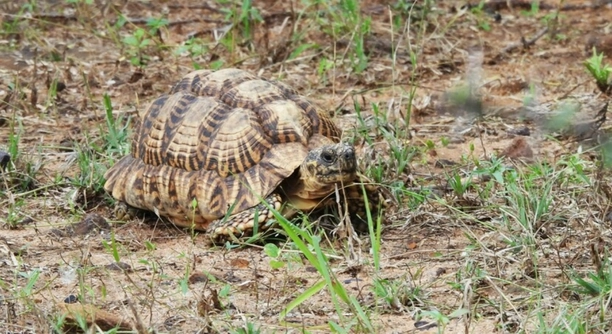
Star tortoises are fascinating creatures, but they can sometimes seem like they are always hiding. If you’re wondering why your star tortoise hides more than usual, there are several factors to consider. This article will explain possible causes for their behavior.
The most common reasons for a star tortoise hiding include stress, health issues, environmental factors, and natural instincts. It’s essential to evaluate the habitat, diet, and overall well-being of your pet to determine the underlying cause of this behavior.
Understanding why your star tortoise is hiding can help you provide better care. From habitat adjustments to health checks, several factors are at play. We will cover the main causes and offer helpful tips.
Stress and Anxiety
Stress and anxiety can cause your star tortoise to hide more often. Changes in the environment, loud noises, or unfamiliar people can trigger this behavior. Tortoises are sensitive creatures, and any sudden alterations in their surroundings can make them feel insecure. It’s important to keep their environment as consistent and calm as possible. Stress can lead to other health problems, such as reduced appetite or lethargy.
If your star tortoise is hiding frequently, it may be due to a stressful situation. Factors like sudden changes in temperature, humidity, or habitat can overwhelm them. Try to avoid moving their enclosure around too often and ensure they have a quiet, safe space to retreat. Minimizing stress will help them feel more comfortable and secure.
If stress is the issue, taking a few simple steps to create a stable environment can make a significant difference. Start by ensuring their enclosure has proper lighting, temperature, and humidity levels. Place the tank in a quiet room away from any sudden disturbances. Over time, your tortoise will likely adjust and feel more at ease.
Health Problems
A hidden star tortoise could also be suffering from health problems. Illness or injury may make them retreat and hide more than usual. Common health issues include respiratory infections, shell damage, or parasites. It’s essential to observe their behavior closely.
A tortoise with a health issue may not be as active, and they may avoid moving around as much. This can cause them to spend more time in hiding. If you notice signs of illness like nasal discharge, swelling, or difficulty moving, it’s crucial to seek professional care. Early detection and treatment are key to preventing more serious problems.
In some cases, a hidden tortoise is simply trying to protect itself while it recovers from an injury or infection. If your star tortoise isn’t eating, seems lethargic, or displays unusual behavior, take them to the vet for a thorough check-up. With prompt attention, many health issues can be treated successfully.
Improper Temperature and Humidity
If the temperature or humidity in your tortoise’s habitat isn’t right, it can cause them to hide more often. Star tortoises are sensitive to these conditions, and when they’re off, it can make your pet feel uncomfortable. Keeping things consistent is key.
Temperature should be maintained at around 85°F (29°C) during the day, with a basking spot reaching about 95°F (35°C). Nighttime temperatures can drop to 70°F (21°C). Humidity levels should stay between 50-70% to help with proper hydration and skin shedding. If either is out of range, your tortoise may seek shelter to escape discomfort.
Over time, improper conditions can affect your tortoise’s health. If they’re too hot or too cold, they may hide to avoid stress or overheating. Check the temperature regularly with a thermometer and adjust the humidity with a water dish or humidifier. Consistency is vital in keeping your tortoise happy and healthy.
Natural Behavior
Hiding is a natural behavior for star tortoises. In the wild, they often hide to protect themselves from predators. While your pet doesn’t have to worry about predators, this instinct can still influence their actions. It’s their way of staying safe.
Star tortoises are solitary creatures by nature, and hiding provides them with a sense of security. They’re not always seeking attention, and it’s normal for them to retreat into their shell or a hiding spot when they feel like it. Understanding that this is part of their natural behavior can help you avoid unnecessary worry.
Sometimes, tortoises just need their space. If they have access to a hiding area in their enclosure, they may use it as a way to relax. It’s a healthy habit that lets them retreat when they need to, without feeling stressed or overwhelmed.
Inadequate Diet
A poor diet can cause your star tortoise to hide more often. If they’re not getting the nutrients they need, they may become lethargic and seek shelter. A lack of proper nutrition can also affect their overall health, leading to stress and decreased energy levels.
Tortoises require a balanced diet with plenty of fresh greens, such as dandelion greens, kale, and collard greens, along with occasional fruits and flowers. Feeding them the wrong foods, like high-protein or high-fat items, can cause health issues. Without the right nutrition, they may choose to hide and conserve energy.
If your tortoise seems uninterested in eating or is hiding more than usual, try reassessing their diet. Offering a variety of fresh, appropriate foods can encourage better eating habits and help them stay healthy. A proper diet supports their energy levels, making them less likely to hide due to fatigue or discomfort.
Overcrowded Enclosure
A cramped living space can make your star tortoise feel trapped, leading them to hide more often. When there’s not enough room to roam, your tortoise may retreat to a corner or burrow in an attempt to find a comfortable spot.
Tortoises need space to explore and feel safe. If their enclosure is too small, it can lead to stress and behavioral changes, such as hiding. It’s crucial to provide enough room for your tortoise to move around freely and establish a comfortable home base. A larger enclosure can help reduce hiding behavior.
Age and Maturity
As star tortoises grow, they may naturally spend more time hiding. Older tortoises tend to be less active and may seek quiet spaces to rest. This is especially true when they reach maturity, as their energy levels and activity decrease with age.
If your tortoise is an adult, hiding more often could simply be a sign of their natural aging process. They may prefer staying in one place for longer periods, conserving energy. Adjust their environment to offer plenty of comfortable spots to hide, but also opportunities for light exercise and mental stimulation.
FAQ
Why is my star tortoise not eating and hiding more than usual?
If your star tortoise isn’t eating and seems to be hiding more, it could be due to a variety of reasons. Stress, an improper diet, or health problems can all play a role. Stressful environmental changes, such as a sudden temperature drop or loud noises, may cause them to seek shelter. If the diet is lacking in nutrients or they’ve been fed the wrong foods, your tortoise might lose interest in eating. Health issues, such as respiratory infections or parasites, can also make them feel unwell and less active. It’s important to address these potential causes to ensure your tortoise is eating and comfortable.
How do I know if my tortoise is hiding because of stress?
Stress in tortoises often results from changes in their environment or daily routine. If your tortoise is hiding more than usual and showing signs of anxiety, such as pacing, biting at the enclosure walls, or not eating, stress could be the issue. Look for signs like rapid breathing or an unwillingness to move around. A sudden change in temperature, humidity, or the presence of unfamiliar people or pets could be stressing them out. To reduce stress, make sure their enclosure is in a quiet, safe space and maintain a stable environment with proper lighting, temperature, and humidity.
What is the best temperature for a star tortoise’s enclosure?
For a star tortoise, the ideal daytime temperature in their enclosure should be between 85°F and 90°F (29°C to 32°C). They also need a basking spot with temperatures reaching 95°F (35°C). At night, the temperature can drop to around 70°F (21°C). It’s important to maintain a gradient of temperatures in the enclosure so your tortoise can regulate its body heat. A thermometer will help you keep track of the temperature in different areas of the enclosure. If the temperature is too high or too low, your tortoise may become stressed, lethargic, or hide more often.
Should I provide a hiding spot for my star tortoise?
Yes, it’s a good idea to provide a hiding spot for your star tortoise. As naturally shy animals, tortoises often seek shelter when they feel stressed or need to rest. A hiding space can help them feel more secure and comfortable in their enclosure. You can use a small box, hideaway, or burrowing material to create a secluded area. Be sure to place it in a quiet corner of the enclosure where your tortoise can retreat without being disturbed. Offering a hiding spot gives them the option to feel safe and helps reduce stress.
Can health problems cause my tortoise to hide more?
Yes, health problems can definitely cause your star tortoise to hide more often. Illness or discomfort makes them less likely to be active, and they may retreat to a hiding spot to avoid movement or rest. Common health issues, such as respiratory infections, shell rot, or parasites, can cause lethargy and make your tortoise feel unwell. If you notice any signs like discharge from the nose, swelling, or a lack of interest in food, it’s best to take your tortoise to a veterinarian for a check-up. Early diagnosis and treatment are important to prevent more serious complications.
How often should I feed my star tortoise?
Star tortoises should be fed every day, but the amount of food should vary based on their age and size. Young tortoises (under 1 year old) should be fed daily with a variety of greens, fruits, and occasional flowers. Adult tortoises may only need food every other day. It’s important to provide fresh, leafy greens like dandelion leaves, collard greens, and kale. Avoid feeding them too much fruit, as it can cause digestive issues. A proper diet will help them stay healthy, active, and prevent them from hiding due to hunger or poor nutrition.
What could cause my star tortoise to hide all day?
If your star tortoise is hiding all day, it might be related to temperature, stress, or health problems. If the enclosure is too cold or too hot, your tortoise may try to avoid the uncomfortable conditions by staying in a hidden spot. Check the temperature regularly and make sure it is within the appropriate range. Stressful situations, such as loud noises, unfamiliar people, or sudden changes in their environment, could also cause them to retreat. If you’ve ruled out environmental factors and stress, it’s possible that your tortoise could be unwell, so it’s best to consult a vet.
What is the best way to keep my tortoise’s habitat comfortable?
To keep your tortoise’s habitat comfortable, you need to focus on temperature, humidity, and space. Ensure that the temperature is consistent, with a basking area reaching around 95°F (35°C) and a cooler side around 70°F (21°C). The humidity should be between 50-70%, and you can increase humidity by adding a shallow water dish. Make sure there’s enough space for your tortoise to roam and hide, as a cramped space can lead to stress. Provide hiding spots, access to natural sunlight or UVB light, and proper ventilation to keep your tortoise healthy and happy.
How can I tell if my star tortoise is sick?
If your star tortoise is sick, you may notice changes in their behavior. They may become lethargic, hide more often, or stop eating altogether. Look for signs of respiratory issues like wheezing, nasal discharge, or open-mouthed breathing. Swelling or deformities on their shell can indicate infections or injuries. Also, if your tortoise is having trouble walking or seems weak, it could be a sign of internal issues or dehydration. Any noticeable change in behavior or appearance should be taken seriously, and it’s important to take your tortoise to a vet for diagnosis and treatment.
Why does my tortoise hide and refuse to eat?
If your tortoise is hiding and refusing to eat, there could be several reasons. Stress is a major factor, especially if there’s been a change in their environment or daily routine. Temperature issues or inadequate lighting can also affect their appetite and cause them to seek shelter. If they’re sick, this could be a sign of illness as well. You should observe your tortoise for any other unusual behaviors, such as lethargy, respiratory issues, or abnormal shell condition. Providing a stable, comfortable environment and offering proper food can help resolve the issue. If symptoms persist, consult a vet.
Final Thoughts
Understanding why your star tortoise hides can be crucial for providing the best care possible. While it’s natural for them to hide from time to time, excessive hiding can be a sign that something isn’t quite right. By considering factors such as stress, temperature, diet, and health, you can make adjustments to their environment to ensure they feel safe and comfortable. Monitoring their behavior closely and being attentive to any changes will help you spot potential issues early. Creating a stable and secure habitat will often reduce the need for your tortoise to retreat into hiding as frequently.
It’s also important to keep in mind that star tortoises are naturally solitary creatures, and some amount of hiding is perfectly normal for them. If they are seeking shelter, it could simply be because they’re tired, need some quiet time, or are following their natural instincts. However, if your tortoise starts hiding excessively, becomes lethargic, or stops eating, it’s a good idea to evaluate their habitat and diet. Temperature fluctuations, improper lighting, or a lack of appropriate hiding spaces could be factors causing them to withdraw more often. In these cases, a few simple adjustments to their environment can make a big difference.
Ultimately, the key to understanding your star tortoise’s behavior is patience and observation. Providing them with the right conditions, proper nutrition, and a calm environment is essential for their well-being. If you’re unsure about what could be causing the hiding, don’t hesitate to consult a vet. Early detection and proper care are the best ways to ensure your star tortoise stays healthy and happy for years to come.

Hello,
If you enjoy the content that we create, please consider saying a "Thank You!" by leaving a tip.
Every little bit helps us continue crafting quality advice that supports the health, happiness, and well-being of pets around the world, for pets of all shapes, sizes, and species.
We really appreciate the kindness and support that you show us!