
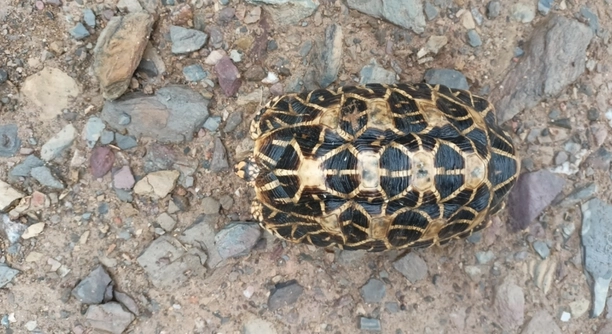
Many star tortoise owners notice their pets often face the same direction. It might seem odd, but this behavior is not uncommon. Understanding the reasons behind it can help you ensure your tortoise’s well-being.
The star tortoise’s tendency to face the same direction is usually due to environmental factors, instinct, or comfort. It may be responding to its surroundings, seeking warmth, or following patterns in its habitat, such as a consistent light source.
There are several theories that explain this unique behavior. Exploring these ideas will help clarify what’s going on with your star tortoise.
Star Tortoise and Light Sources
Star tortoises, like many reptiles, are naturally drawn to light. They rely on warmth and sunlight to regulate their body temperature, and they tend to face towards sources of heat. Whether it’s natural sunlight coming through a window or an artificial heat lamp, these light sources provide the comfort they need to stay warm and active.
Tortoises may also be seeking a spot that offers the right balance of heat and light. If a lamp is placed consistently in one direction or sunlight hits the same area, your tortoise will naturally orient itself in that direction.
This behavior is simply an instinctive response to the need for warmth and light. In captivity, where lighting conditions are controlled, it’s common to see them facing the same direction for long periods of time. They’re not necessarily “stuck” in this position but are simply reacting to the environment they feel is best for their comfort and health.
Star Tortoise and Territorial Behavior
Another reason your star tortoise may face the same direction involves territorial behavior. Like many animals, tortoises can be territorial and choose a specific spot to feel secure.
A tortoise’s territory can be influenced by several factors, including temperature, feeding areas, and the layout of its habitat. If it finds a comfortable spot that suits its needs, it may spend most of its time facing in that direction. This helps the tortoise feel safe and less stressed.
Over time, a star tortoise may establish a pattern where it prefers a specific direction to monitor its surroundings. This is a natural instinct to ensure that it stays aware of any changes in its environment. It’s important to observe if this behavior is paired with any signs of stress, as this could indicate that the tortoise feels threatened or uncomfortable. However, as long as it seems relaxed and healthy, there’s no need for concern.
Star Tortoise and Routine
Star tortoises are creatures of habit and tend to develop routines. Once they find a spot that feels comfortable, they will often stay facing the same direction as part of their daily behavior. This routine can become ingrained, and they will keep returning to the same orientation.
A regular routine gives your tortoise a sense of security, knowing where to find heat, food, and water. They may face the same direction for feeding or basking, which means they’re adapting to the environment that provides their needs. Over time, this behavior becomes consistent, and the tortoise will return to the same position as long as it feels comfortable.
If there are changes in their habitat or environment, like moving objects or a shift in the lighting, you might notice a change in the direction your tortoise faces. This could signal that your tortoise is adapting to new conditions or looking for familiar surroundings. It’s always important to keep their space consistent for their well-being.
Star Tortoise and Navigation
Star tortoises have a remarkable ability to navigate their environments. They use a combination of sight, scent, and environmental cues to understand their surroundings. This natural navigation might explain why they often face the same direction.
Tortoises are known for using landmarks to help them remember where they are in their environment. When they face the same direction, it may be because they recognize an object or area they feel comfortable with. This is a behavior that also helps them stay aware of potential threats or safe spaces. They may face the same direction to avoid danger or stay close to what they know.
This navigation instinct is also linked to their search for food and water sources. They tend to keep track of areas that provide them with essential resources, such as food and basking spots. Their direction-facing behavior may be a reflection of their effort to stay within the most beneficial area of their habitat.
Star Tortoise and Curiosity
Star tortoises are naturally curious creatures. They often face the same direction because they are interested in what’s in front of them. If they notice something new or unfamiliar, they may keep their gaze focused in that direction for longer periods.
Their curiosity helps them explore their environment. If they are constantly observing the same area, it may be because they are learning about what’s around them. They could be checking for food, potential threats, or changes in their surroundings. This natural curiosity keeps them alert and aware of their environment.
Star Tortoise and Comfort
Comfort plays a significant role in why star tortoises face the same direction. They tend to stay in spots where they feel the most relaxed. Whether it’s near a heat source or a favorite hiding spot, comfort keeps them in place.
When a tortoise finds a comfortable spot, it might stay there for extended periods. This behavior is an indication of the tortoise’s need for a stable and secure environment. If the direction they face offers the right temperature or security, it’s likely they will keep returning to that area.
Star Tortoise and Sleep Patterns
Star tortoises are often more active during the day, but their sleep patterns may also influence why they face the same direction. They tend to choose a spot that feels safe for resting or sleeping.
When sleeping, tortoises tend to face toward areas that provide the most stability. They prefer to rest in locations where they can feel secure and protected. If they find a spot with a consistent direction or environment, they will likely continue to rest in that position regularly.
FAQ
Why does my star tortoise keep facing the same direction?
Star tortoises often face the same direction because of natural instincts and environmental factors. This behavior is usually related to seeking warmth from light sources, such as sunlight or heat lamps. They may also be responding to familiar landmarks in their habitat, like a specific area that feels safe or comfortable. It’s a way of ensuring they stay in a space that provides security and warmth, which are essential for their health and well-being.
Should I be worried if my tortoise is always facing the same way?
In most cases, no, there’s no need to worry. It’s a natural behavior for tortoises to face the same direction. As long as your tortoise appears healthy, active, and isn’t showing signs of stress, it’s likely just part of its routine. If the behavior changes dramatically or the tortoise seems unwell, it might be worth observing its surroundings to see if anything has changed.
Does my star tortoise need a lot of space to move around?
Yes, star tortoises need ample space to roam. They are naturally curious and enjoy exploring. A larger enclosure allows them to follow their instincts to navigate, forage, and bask. A small space can lead to stress and lack of exercise, which could harm their health. Make sure they have enough room to move freely, with safe spots to hide and bask in the heat.
Can the direction my tortoise faces indicate something about its health?
If your star tortoise is consistently facing a specific direction, it’s not necessarily a sign of health problems. However, if it is facing away from its heat source or constantly in one place, it could be a sign of discomfort or a need for a change in its environment. Ensure that the temperature, humidity, and lighting in the enclosure are ideal.
Is my star tortoise facing the same direction a sign of stress?
In most cases, facing the same direction is not a sign of stress. It’s more likely a reflection of comfort, routine, or instinctive behavior. However, if your tortoise is excessively staying in one place or showing signs of lethargy, it’s important to consider other factors like enclosure temperature, humidity, and diet. Stress can result from improper conditions or an overcrowded habitat, so maintaining a balanced environment is key.
Why does my star tortoise always move in circles or appear disoriented?
Tortoises, including star tortoises, may move in circles due to several reasons. It could be a sign that they are trying to find a comfortable resting spot or navigating their environment. In some cases, this behavior might indicate that something is bothering them, such as a need for food, water, or temperature regulation. If the circling persists, check for any environmental stressors or health concerns.
Can the lighting in my star tortoise’s enclosure affect its behavior?
Yes, lighting plays a significant role in your tortoise’s behavior. Star tortoises are cold-blooded and rely on external heat sources to regulate their body temperature. Inadequate lighting can lead to lethargy, lack of movement, and behavioral changes. Ensure that your tortoise has access to a proper UVB light source during the day and a heat lamp to create a basking area. This will help keep them healthy and active.
How do I know if my star tortoise is uncomfortable or stressed?
Signs of discomfort or stress in a star tortoise can include excessive hiding, lethargy, loss of appetite, or changes in their movement patterns. If they stop eating or seem overly withdrawn, it could be a sign that something in their environment isn’t right. Also, check for signs of illness, such as runny eyes or nose, which can indicate a health issue. Make sure their habitat is the right size, temperature, and humidity level for them to thrive.
What’s the best type of enclosure for a star tortoise?
The best enclosure for a star tortoise should mimic its natural environment as closely as possible. It should be spacious enough for them to roam and explore, with a variety of hiding spots, basking areas, and places to cool off. A well-ventilated tank or outdoor enclosure is ideal. The enclosure should have a consistent temperature gradient, with a basking area around 90°F (32°C) and a cooler area around 70°F (21°C). Adding natural materials like rocks, branches, and plants can also enrich their space.
How can I ensure my star tortoise’s environment is comfortable?
To ensure your tortoise’s environment is comfortable, focus on proper temperature, humidity, and lighting. The enclosure should have both a basking spot and a cooler zone, with the appropriate temperature range. Humidity should be moderate, around 50-70%, depending on the species. Providing a mix of natural and artificial elements in the habitat will also help your tortoise feel secure. Regular cleaning and maintenance of their habitat will prevent any buildup of bacteria or mold, which can cause health issues.
Final Thoughts
Understanding your star tortoise’s behavior, like facing the same direction, is important for ensuring its well-being. It’s a common trait for many tortoises, not just star tortoises, to follow familiar patterns in their environment. They rely on instinct, comfort, and their surroundings to help guide their actions. Facing the same direction, whether for warmth, safety, or habit, is a normal part of their behavior. It usually doesn’t signal a problem as long as the tortoise seems healthy, active, and comfortable.
If you notice your tortoise facing the same direction often, it could be related to their need for consistent light and warmth. They often look for spots that provide the right amount of heat or shelter. It’s also possible that they have found a spot they feel safe in, whether it’s near their food or their favorite resting area. As long as your star tortoise isn’t showing signs of stress, such as hiding excessively, refusing food, or becoming lethargic, this behavior is generally nothing to worry about.
However, if your tortoise’s behavior seems off or there are noticeable changes, it’s a good idea to reassess its environment. Make sure the lighting and temperature are appropriate, and check for any signs of illness. Tortoises thrive in stable environments where they feel secure. Providing enough space, the right lighting, and regular monitoring will help ensure your star tortoise remains happy and healthy. If any concerns arise, consulting with a vet who specializes in reptiles can give you peace of mind.

Hello,
If you enjoy the content that we create, please consider saying a "Thank You!" by leaving a tip.
Every little bit helps us continue crafting quality advice that supports the health, happiness, and well-being of pets around the world, for pets of all shapes, sizes, and species.
We really appreciate the kindness and support that you show us!