
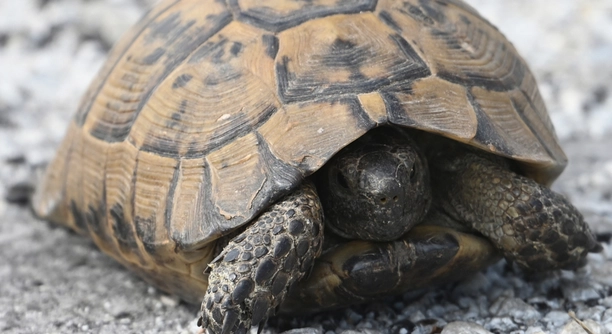
Dry skin in your Russian tortoise can be concerning, but it’s something that can usually be addressed with proper care. Understanding the cause can help you take the necessary steps to keep your tortoise healthy and comfortable.
The primary reasons for your Russian tortoise’s dry skin are inadequate humidity, improper temperature, or insufficient hydration. Tortoises require a balanced environment with humidity levels between 40-60% and a proper basking area to prevent dehydration and skin dryness.
Managing these factors will help improve your tortoise’s skin condition and overall well-being. By addressing the environment and hydration needs, you can keep your pet comfortable and healthy.
Humidity Levels Matter
Dry skin in your Russian tortoise can often be linked to low humidity in their environment. These tortoises naturally thrive in areas with moderate humidity, around 40-60%. If their enclosure is too dry, their skin can start looking flaky or rough. Make sure the humidity stays consistent to avoid causing dryness. You can check the humidity with a hygrometer and adjust the environment by misting the enclosure or adding a humidifier.
A common mistake is thinking that dry conditions are only a concern during the colder months. However, the humidity level needs to be maintained year-round. Over time, low humidity will lead to other health issues as well, such as shedding problems. Your tortoise might also become less active, which is a sign that the conditions aren’t ideal. Keeping the right balance is key to preventing skin issues.
For the best results, add a shallow water dish that your tortoise can access at all times. This will allow them to drink when they need to. Additionally, you can lightly mist their shell to ensure they stay hydrated.
Temperature Control Is Crucial
The temperature in your tortoise’s habitat also plays a significant role in skin health. Tortoises require a warm basking spot where they can regulate their body temperature, which helps in proper digestion and skin maintenance.
Dehydration Can Be a Factor
Dehydration is one of the most common reasons for dry skin in Russian tortoises. When they don’t have enough water, their skin becomes dry and brittle. Make sure your tortoise always has access to fresh water. If you notice their skin drying out, it could be a sign that they aren’t drinking enough.
You can encourage them to drink by offering water in a shallow dish. Soaking your tortoise in warm water once a week also helps with hydration. This gives them a chance to absorb moisture through their skin and helps prevent dehydration-related skin problems.
Additionally, you can lightly mist their shell with water to promote moisture retention. If your tortoise isn’t showing much interest in drinking, this will help maintain hydration levels. Regular hydration is key to overall health, preventing issues like dry skin and lethargy.
Proper Diet Can Help Skin Health
A well-balanced diet is essential for your tortoise’s skin. Including foods with high water content like leafy greens and some fruits can boost hydration from the inside out. Carrots, dandelion greens, and kale are excellent options that also provide necessary vitamins.
These foods are not only hydrating but help in promoting healthy skin by supplying the right nutrients. A proper diet ensures that your tortoise gets the vitamins and minerals needed for a strong immune system and healthy skin. A lack of essential nutrients can make your tortoise more prone to skin problems, including dryness.
In addition to these foods, calcium and vitamin D3 supplements are important. These can help with shedding and overall skin health, ensuring your tortoise’s shell and skin stay in good condition.
Improper Lighting Can Contribute
Inadequate lighting can impact your tortoise’s skin. Russian tortoises need both UVB lighting for calcium absorption and basking lights to regulate body temperature. Without proper lighting, your tortoise may have trouble shedding or maintaining healthy skin.
UVB light is vital for the production of vitamin D3, which plays a role in calcium metabolism. Without it, your tortoise’s skin may appear dry and flaky, as they struggle to absorb necessary nutrients. It’s important to use proper UVB bulbs and replace them regularly, as they lose effectiveness over time.
Shell Care Matters Too
Regular shell care is an often overlooked aspect of preventing dry skin. Cleaning your tortoise’s shell gently with a soft brush can help remove dirt or debris that might cause skin irritation. Be sure to dry them off afterward to avoid trapping moisture.
FAQ
Why is my Russian tortoise’s skin so dry?
Dry skin in Russian tortoises is usually caused by inadequate humidity, dehydration, or improper temperature. Their skin can become flaky or cracked if the environment is too dry or if they are not drinking enough water. Ensuring proper humidity levels and providing access to water is key to preventing dry skin. You can also soak your tortoise in warm water once a week to help with hydration. Additionally, maintaining the right temperature and providing a balanced diet will also support their skin health.
How can I improve the humidity in my tortoise’s enclosure?
To improve humidity, place a humidifier near your tortoise’s enclosure or mist the inside of the habitat with water. You can also add a shallow water dish for the tortoise to soak in, which will help maintain moisture levels in the air. It’s important to monitor the humidity with a hygrometer to make sure it stays between 40-60%. A consistent humidity level will prevent dehydration and dry skin.
Can dehydration cause skin problems in my Russian tortoise?
Yes, dehydration is a major cause of dry skin in Russian tortoises. When they don’t have enough water, their skin can become dry, flaky, and uncomfortable. Ensure your tortoise always has access to fresh water and consider soaking them in warm water to help with hydration. You can also mist their skin lightly to help with moisture retention.
How often should I soak my Russian tortoise in water?
Soaking your tortoise in warm water once a week for 15-20 minutes is usually sufficient. This helps with hydration and ensures they stay properly hydrated. If your tortoise shows signs of dehydration, you can soak them more frequently. Always make sure the water is not too hot or too cold, as it can cause stress.
What temperature should my Russian tortoise’s enclosure be?
Your tortoise’s enclosure should have a basking spot with a temperature of around 95-100°F (35-37°C). The cooler side of the enclosure should be around 75-85°F (24-29°C). Maintaining the right temperature helps your tortoise regulate its body temperature and prevents dehydration, which can lead to dry skin. Use a heat lamp or ceramic heat emitter to create a temperature gradient in the enclosure.
Is UVB lighting necessary for my Russian tortoise?
Yes, UVB lighting is essential for your tortoise’s overall health. UVB rays help your tortoise produce vitamin D3, which is necessary for calcium absorption. Without UVB light, your tortoise may suffer from calcium deficiency, leading to health problems such as dry skin, weakened bones, and difficulty shedding. Ensure that you have a proper UVB bulb in the enclosure, and replace it every 6-12 months, as the effectiveness diminishes over time.
What foods can help with my tortoise’s dry skin?
Feeding your tortoise leafy greens like dandelion greens, collard greens, and mustard greens can help with hydration. These foods have high water content, which aids in moisture retention and skin health. Adding small amounts of fruits like strawberries and melon can also provide extra hydration. A balanced diet of fiber-rich vegetables and occasional fruits will improve skin quality and overall health.
Should I apply anything to my tortoise’s skin to treat dryness?
It’s best to avoid applying oils or lotions to your tortoise’s skin, as these can clog their pores or irritate their skin. Instead, focus on improving the humidity, hydration, and overall care. If dryness persists, it’s a good idea to consult a veterinarian who specializes in reptiles to ensure there are no underlying health issues.
What should I do if my tortoise’s shell looks dry or flaky?
If your tortoise’s shell appears dry or flaky, it could be a sign of dehydration or improper environmental conditions. Ensure your tortoise has access to water, appropriate humidity, and UVB lighting. Gently clean the shell with a soft brush to remove any debris and allow it to dry naturally. If the dryness persists, consult a vet to rule out any infections or other health issues.
Can my Russian tortoise’s dry skin lead to other health problems?
Yes, prolonged dry skin can cause discomfort for your tortoise and may lead to further health issues, such as shedding problems, skin infections, or dehydration. By maintaining proper humidity, hydration, and diet, you can help prevent these complications and keep your tortoise in good health. It’s important to monitor your tortoise closely and make adjustments to their environment as needed.
Final Thoughts
Proper care and attention to your Russian tortoise’s needs can go a long way in preventing dry skin. Maintaining a suitable environment, with the right humidity, temperature, and access to fresh water, is essential for their overall well-being. Tortoises are naturally resilient, but they require a habitat that supports their specific needs. Regular soaking and offering water-rich foods can also help them stay hydrated and keep their skin healthy. If you notice your tortoise’s skin becoming dry or flaky, it’s important to act quickly to address the issue.
While dehydration and environmental factors are common causes of dry skin, other factors, such as improper lighting or a poor diet, can also play a role. Ensuring your tortoise has access to UVB lighting is crucial for calcium absorption and maintaining healthy skin. Providing a balanced diet with high-quality leafy greens and the occasional fruit can improve their hydration levels. Paying attention to these aspects of their care will not only help prevent dry skin but also promote overall health and vitality.
Lastly, regular monitoring of your tortoise’s behavior and physical condition is key. If the dryness continues despite adjusting their environment, or if you notice other signs of illness, a visit to the veterinarian may be necessary. A reptile vet can provide guidance and check for any underlying health concerns that could be affecting your tortoise’s skin. By being proactive and observant, you can help ensure your Russian tortoise remains healthy and happy for years to come.

Hello,
If you enjoy the content that we create, please consider saying a "Thank You!" by leaving a tip.
Every little bit helps us continue crafting quality advice that supports the health, happiness, and well-being of pets around the world, for pets of all shapes, sizes, and species.
We really appreciate the kindness and support that you show us!