
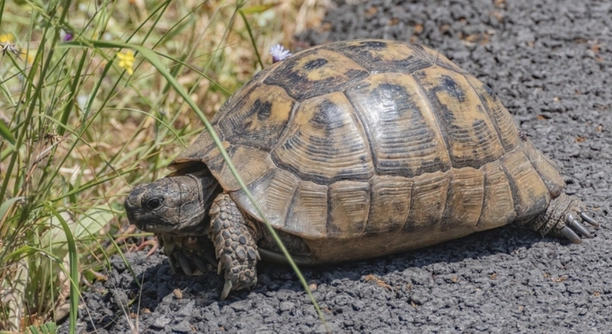
Is your Russian tortoise’s shell turning yellow? This common concern often causes owners to worry about their pet’s health. Understanding the possible causes behind this color change can help you better care for your shelled friend.
The yellowing of a Russian tortoise’s shell is often due to a combination of factors, including improper diet, lack of UVB exposure, or a health condition. Providing a proper diet, adequate sunlight, and vet care are essential to prevent further issues.
Understanding these factors can help maintain your tortoise’s health and ensure that its shell stays healthy and vibrant.
Diet and Nutrition: The Key to Healthy Shells
If your Russian tortoise’s shell is turning yellow, it could be a sign that their diet isn’t meeting their needs. Tortoises are herbivores and require a high-fiber, calcium-rich diet to maintain healthy shells. Without the right balance, their shells may begin to lose their natural color. Foods like leafy greens, dandelion greens, and certain flowers are great for them. However, overfeeding fruits or foods with high levels of phosphorus can upset the balance, leading to shell discoloration.
Inadequate calcium is another factor. Russian tortoises need enough calcium to build strong, healthy shells. Without it, their shells may soften or discolor, turning yellow. Offering calcium supplements or dusting their food with calcium powder can make a significant difference.
Lastly, make sure your tortoise is drinking enough water. Hydration plays a vital role in their overall health, including maintaining shell color and condition. Keep a fresh bowl of water available at all times.
Lack of UVB Exposure
UVB light is essential for the health of your Russian tortoise. Without it, they can develop shell and bone problems.
Tortoises need exposure to UVB rays to synthesize vitamin D3, which is vital for calcium absorption. Without this light, even the best diet won’t prevent shell discoloration. If your tortoise is indoors, using a UVB light is crucial to keep them healthy. Make sure the light is placed close enough to ensure proper absorption.
Without sufficient UVB exposure, your tortoise may suffer from metabolic bone disease, which can cause the shell to become soft and discolored. To prevent this, always ensure that your tortoise gets the proper lighting, whether it’s from sunlight or artificial UVB bulbs.
Health Issues That Could Affect Your Tortoise’s Shell
If your Russian tortoise’s shell is yellowing, it might indicate a health issue. Conditions like respiratory infections or fungal infections can affect their shells and overall appearance.
Respiratory infections can cause lethargy and loss of appetite, and may lead to shell discoloration over time. If your tortoise is also showing signs of labored breathing, nasal discharge, or wheezing, it’s crucial to consult a veterinarian.
Fungal infections can also result in yellowing or other changes to the shell. These infections are typically caused by unsanitary living conditions. Keeping your tortoise’s enclosure clean, dry, and well-ventilated will help prevent fungal growth. If you notice patches or abnormal growth on the shell, a vet will need to examine your pet for treatment.
Improper Habitat Conditions
A proper habitat is essential for your tortoise’s health and shell color. An incorrect setup can lead to health problems, including yellowing shells.
Ensure the enclosure has the right temperature gradient, humidity, and space. Russian tortoises thrive in dry, warm conditions with access to shaded areas. A temperature range of 75°F to 85°F during the day and slightly cooler at night is ideal. If the enclosure is too humid or too cold, it can stress your tortoise, leading to health issues and yellowing shells.
Providing enough space for your tortoise to roam will allow them to move naturally, reducing the chance of stress. If your tortoise’s shell is turning yellow, check its habitat conditions to ensure they are appropriate for its needs. Adjust lighting, temperature, and humidity as needed to improve the environment.
Overexposure to Sunlight
Too much direct sunlight can also cause yellowing of your Russian tortoise’s shell. While they need sunlight for vitamin D3, excessive exposure can be harmful.
Tortoises exposed to harsh midday sun may suffer from overheating, dehydration, and even sunburn, which can affect the shell’s color. It’s important to provide a balance between sunlight and shade to keep them comfortable.
Ensure that your tortoise has access to shaded areas in its enclosure, especially during the hottest parts of the day. It’s also a good idea to bring them inside during intense heat waves to avoid overexposure.
The Role of Stress
Stress can play a role in the yellowing of your tortoise’s shell. Environmental changes, improper handling, or a lack of food can cause your tortoise to become stressed.
Stress weakens the immune system, which can lead to health issues, including yellowing of the shell. Keeping your tortoise’s routine stable and its environment consistent helps reduce stress. Regular feeding, proper habitat conditions, and gentle handling can also help your tortoise stay calm.
Seasonal Changes
The color of a Russian tortoise’s shell can also change with the seasons. It’s normal for their shells to appear a bit duller or even yellowish during the colder months when they are less active.
This change is temporary and typically resolves when the tortoise becomes more active with warmer weather. However, if the yellowing persists, it might indicate a different issue, and further investigation will be needed. Always monitor your tortoise’s behavior and shell condition as the seasons change.
FAQ
What can I do if my Russian tortoise’s shell is turning yellow?
If your Russian tortoise’s shell is yellow, first check its diet, UVB exposure, and habitat conditions. Ensure it’s receiving a balanced, calcium-rich diet and adequate UVB light. Consult with a veterinarian if the yellowing persists or if you notice other symptoms like lethargy or loss of appetite.
How long does it take for a Russian tortoise’s shell to return to its normal color?
The time it takes for a yellow shell to return to its normal color depends on the underlying cause. If it’s due to diet or lighting issues, it may take a few weeks to months with proper adjustments. If the yellowing is due to illness or infection, it may take longer or require medical intervention.
Can stress cause a tortoise’s shell to turn yellow?
Yes, stress can affect a tortoise’s shell color. When a tortoise is stressed, its immune system can weaken, making it more susceptible to shell discoloration. Reducing stress by keeping its environment stable, avoiding sudden changes, and ensuring proper handling can help prevent this.
Is it safe to use a heat lamp if my tortoise’s shell is yellow?
Yes, using a heat lamp can be beneficial for your tortoise’s overall health, as long as the temperature is properly regulated. However, avoid overheating. Too much heat combined with lack of UVB exposure can cause additional stress and health problems.
Can improper humidity levels cause yellowing of my tortoise’s shell?
Yes, improper humidity can affect your tortoise’s shell. Russian tortoises thrive in dry conditions, so too much humidity can cause discomfort and stress, which may result in shell discoloration. Ensure the habitat is dry and well-ventilated, with proper humidity levels.
What are the signs of a respiratory infection in a Russian tortoise?
Symptoms of a respiratory infection include nasal discharge, wheezing, labored breathing, and lethargy. If your tortoise is displaying any of these signs, it’s important to take it to a vet immediately for proper diagnosis and treatment.
How can I prevent fungal infections in my tortoise?
Fungal infections are often caused by damp or unsanitary conditions. To prevent fungal growth, regularly clean your tortoise’s enclosure, avoid over-watering plants, and ensure proper ventilation. If you notice any signs of infection, consult a veterinarian for treatment.
Can my tortoise’s shell heal if it’s damaged?
Tortoises’ shells can heal, but it depends on the severity of the damage. If the shell is cracked or injured, immediate veterinary care is needed to prevent infection and ensure proper healing. The shell will gradually regrow, but it may take several months.
Should I provide supplements for my Russian tortoise?
Yes, calcium supplements are important for Russian tortoises to maintain strong shells and bones. Dust their food with calcium powder, especially if their diet lacks high-calcium foods. A proper calcium-to-phosphorus ratio is essential for their overall health.
Can yellowing of the shell be a sign of old age?
As Russian tortoises age, their shells may become duller or slightly yellowish, especially during seasonal changes. However, persistent yellowing could be due to a health issue, so it’s important to monitor their condition and seek veterinary advice if necessary.
How do I know if my tortoise needs more UVB exposure?
If your tortoise’s shell is turning yellow, or if it shows signs of lethargy, poor appetite, or abnormal behavior, it may need more UVB exposure. Ensure the UVB light is placed correctly in the enclosure and that it’s providing adequate rays for vitamin D3 synthesis.
Can I use artificial lighting for my tortoise instead of natural sunlight?
Yes, you can use artificial UVB lighting if your tortoise is housed indoors. However, it’s important to choose a high-quality UVB bulb and replace it regularly. The light should be placed close to your tortoise for optimal health benefits.
How often should I clean my tortoise’s habitat?
It’s important to clean your tortoise’s habitat regularly to maintain its health. Clean the enclosure at least once a week to prevent fungal or bacterial growth. Spot clean daily to remove waste and food debris, ensuring a clean and safe environment for your pet.
Is it possible to prevent yellowing of my tortoise’s shell altogether?
While it’s difficult to prevent yellowing entirely, providing a proper diet, UVB exposure, hydration, and a clean, well-maintained habitat can reduce the likelihood of shell discoloration. Regular checkups with a vet can also help catch potential health issues early.
Final Thoughts
Understanding why your Russian tortoise’s shell might be turning yellow is essential for maintaining its overall health. The most common causes of yellowing are poor diet, insufficient UVB exposure, and stress. Ensuring that your tortoise receives a balanced diet rich in calcium and other necessary nutrients is key to preventing shell discoloration. Additionally, providing proper lighting, including UVB light, is crucial for their well-being. A healthy and well-maintained environment, free from stressors, helps keep your tortoise comfortable and its shell in good condition. Regular monitoring of its habitat and diet can go a long way in keeping it healthy.
If your tortoise’s yellowing persists despite making necessary changes, it’s important to consult a veterinarian. A professional can assess your tortoise’s health, identify any underlying issues, and provide the best course of action. In some cases, yellowing can indicate more serious health problems, such as infections or shell damage. Early intervention can prevent further complications and ensure your tortoise receives the proper care it needs. Remember, a vet’s expertise is valuable in addressing persistent or concerning symptoms that can affect your pet’s overall health.
By providing the right care, you can help your Russian tortoise maintain a healthy and vibrant shell. Regular checkups, proper lighting, and attention to diet and habitat conditions will prevent many of the issues that can cause yellowing. While it’s not always possible to prevent shell discoloration entirely, consistent care can minimize the risk. Always stay proactive in maintaining your tortoise’s health, and don’t hesitate to seek professional advice if you notice any changes. Proper care will help ensure your tortoise lives a long, healthy life.

Hello,
If you enjoy the content that we create, please consider saying a "Thank You!" by leaving a tip.
Every little bit helps us continue crafting quality advice that supports the health, happiness, and well-being of pets around the world, for pets of all shapes, sizes, and species.
We really appreciate the kindness and support that you show us!