
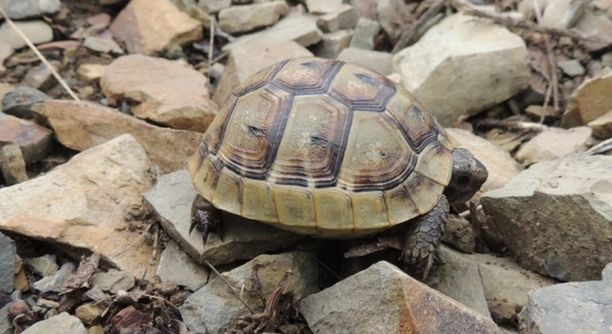
Russian tortoises are known for their unique behavior, and it’s not uncommon for them to sleep more after eating. Their habits can leave owners wondering why this happens. Understanding these changes is key to ensuring their health and well-being.
The primary reason your Russian tortoise may sleep more after eating is that digestion requires energy. This natural response helps the tortoise rest while its body processes food. This is a normal, healthy part of their digestive cycle.
These insights will help you understand the natural processes behind your tortoise’s behavior and provide guidance for managing its care.
Why Do Russian Tortoises Sleep After Eating?
After your Russian tortoise eats, it’s common to see it resting or sleeping for extended periods. This behavior can be traced back to their natural instinct to conserve energy after digesting food. Unlike humans, whose digestive process is more active, tortoises experience a slower digestion that requires less movement. Essentially, resting helps them focus on processing food efficiently without expending too much energy. Understanding this natural instinct can help you ensure your tortoise is in good health.
Sometimes, you may notice that your tortoise sleeps more than usual after a large meal. This can be normal if the food is heavier or more filling. It’s important to make sure you’re offering a balanced diet and not overfeeding, as this can also cause longer sleep periods.
If you notice significant changes in your tortoise’s sleeping patterns, it might be a sign of something more serious. Keeping an eye on their behavior after meals will help you spot any irregularities. You should also monitor their activity levels throughout the day to maintain their health. Regular exercise and a proper diet can support better digestion and overall well-being.
Is Sleeping After Eating Always a Good Sign?
Sleep after eating is generally a good sign that your Russian tortoise’s digestion is functioning properly. However, prolonged or excessive sleep could indicate health issues. Observing your tortoise’s energy levels and diet is crucial to ensuring it’s not a sign of illness.
How to Tell if Your Tortoise Is Sleeping Too Much
If your Russian tortoise seems to be sleeping more than usual, it could be a sign that something’s wrong. Keep track of their sleep habits, especially after eating. If they’re sleeping longer than usual or not waking up after a meal, it may be a good idea to consult a vet.
Too much sleep can also be a sign of environmental issues like incorrect temperatures or lighting. Tortoises are cold-blooded and rely on their environment to regulate their body temperature. If their habitat is too cold, they may sleep excessively in an attempt to conserve energy. Make sure their enclosure is set up with the right heating and lighting.
If your tortoise isn’t eating as much or is showing signs of lethargy beyond just sleeping after meals, it could be a sign of a more serious problem. Changes in behavior, such as a loss of appetite or lack of activity, should never be ignored. Ensure they’re getting the right diet and care to stay healthy.
The Importance of a Proper Diet
A balanced diet is essential for your Russian tortoise’s overall health, including their sleep patterns. If they’re not getting the right nutrients, they may sleep more than usual as their body tries to adjust. Ensure you’re feeding them a variety of vegetables, greens, and occasional fruits to keep them healthy and active. Avoid overfeeding with high-fat foods, as it can lead to sluggishness and excessive sleeping.
The right diet also supports their energy levels, keeping them active when they need to be. Offering a wide range of foods helps ensure they get all the vitamins and minerals needed for healthy digestion. If your tortoise isn’t eating properly, check the types of food you’re offering. If they’re selective or not interested, consider adjusting their food choices to encourage healthy eating habits. Proper nutrition can prevent excessive sleep and other health issues.
Temperature and Lighting Matters
If your tortoise’s environment is too cold, it may lead to excessive sleep. Russian tortoises need specific heat sources to regulate their body temperature. Without adequate warmth, they may sleep more as their metabolism slows down. Ensuring the right temperature is crucial for their health and activity.
A basking spot with a temperature of around 90°F (32°C) is ideal, with a cooler area around 75°F (24°C). These temperature ranges help mimic their natural habitat. Adjusting your enclosure’s lighting is just as important. Providing UVB lighting helps your tortoise absorb calcium and stay healthy, reducing lethargy.
Hydration and Its Role in Energy
Dehydration can contribute to excessive sleep or lethargy in tortoises. Without enough water, your tortoise’s energy levels drop, and they may rest more than usual. Make sure fresh water is available at all times, and offer water baths to encourage drinking. Hydration supports their digestion and overall well-being.
In addition to drinking, soaking your tortoise in shallow water a few times a week helps with hydration. This is especially important in dry environments where they might not drink enough on their own. Hydration is key to keeping your tortoise active and healthy.
The Effect of Stress on Sleep Patterns
Stress can also affect your tortoise’s sleeping habits. Changes in their environment, diet, or routine may lead to stress and cause them to sleep more than usual. Stress can result from overcrowded living conditions or new animals in the area. Keeping their environment calm and stable will help reduce stress.
FAQ
Why is my Russian tortoise sleeping so much after eating?
Russian tortoises tend to sleep more after eating because digestion requires energy, and rest helps them process food. This is a normal behavior, as they conserve energy for their digestive process. It’s common for tortoises to relax or sleep after meals, but it shouldn’t be excessive. If they sleep for a prolonged period or don’t wake up after eating, it could signal something else, like health issues or environmental factors.
How can I tell if my tortoise is sick?
A sick tortoise might show signs like loss of appetite, excessive sleeping beyond just after meals, or a lack of movement. If your tortoise isn’t eating, drinking, or is inactive for extended periods, it may indicate illness. Keep an eye on their overall behavior, and if symptoms persist, a vet should be consulted to rule out any underlying conditions. Respiratory issues, bloating, or runny noses are also signs of health problems.
Should I be worried if my tortoise sleeps for hours?
While it’s natural for tortoises to sleep after eating, excessive sleep—especially for hours on end—could be a red flag. If your tortoise isn’t waking up or is lethargic even without eating, it may be experiencing health problems like dehydration, an infection, or an improper environment. Check the temperature and humidity in their habitat and make sure they have enough water. If everything seems fine but the behavior persists, a vet visit is recommended.
How often should my Russian tortoise be eating?
Adult Russian tortoises typically eat every other day, while younger ones may require daily meals. Their diet should mainly consist of leafy greens, weeds, and occasional vegetables and fruits. Overfeeding, especially with high-fat foods, can cause them to become sluggish or sleep more than usual. Keep their diet balanced to avoid digestive issues and lethargy.
What’s the best temperature for my Russian tortoise?
Russian tortoises thrive in temperatures between 75°F (24°C) to 90°F (32°C) during the day. The basking spot should be around 90°F, while the cooler side of their habitat can be kept around 75°F. These temperatures allow them to regulate their body temperature and stay active. At night, temperatures can drop to around 65°F (18°C), but never lower than that. Too cold of an environment may cause them to sleep excessively.
Why is my tortoise not eating?
If your tortoise refuses to eat, it could be a sign of stress, illness, or environmental issues. Stress can be caused by changes in their environment, new animals, or even incorrect temperatures. If they’re not eating, try to rule out any of these factors. Make sure their diet is appealing, fresh, and varied. If they still refuse food, consult a vet to make sure there are no underlying health concerns.
How long can my Russian tortoise go without food?
Tortoises can survive for weeks without food, especially if they have good hydration and stored fat. However, it’s not ideal for them to go too long without eating. If your tortoise isn’t eating for an extended period, it can result in nutritional deficiencies, stress, and lethargy. Long periods of fasting should be avoided, and you should check for any environmental or health issues that might be preventing them from eating.
How much sleep is normal for a Russian tortoise?
Russian tortoises generally sleep 8-12 hours a day, though this can vary based on age, health, and environment. They may sleep more after eating or during colder temperatures. If your tortoise is sleeping significantly more than this, consider checking their habitat and diet. Over-sleeping or lethargy can signal underlying health problems like infection or improper living conditions.
What can I do to encourage my tortoise to be more active?
To encourage more activity in your Russian tortoise, ensure they have a spacious and enriched environment. Offer plenty of areas to explore, such as rocks or hiding places. A consistent light cycle with UVB lighting, along with the proper temperature, can also promote activity. You can also give them opportunities to forage for food, which will engage their natural instincts and help keep them active. Make sure they are properly hydrated, as dehydration can cause lethargy.
What kind of lighting does my Russian tortoise need?
Russian tortoises need UVB lighting for around 10-12 hours a day to mimic their natural habitat. UVB light is crucial for calcium absorption and helps prevent metabolic bone disease. Without it, they can become lethargic or develop health issues. A basking light with proper warmth is equally important, as they rely on heat for digestion and overall well-being. Make sure the UVB light is positioned properly, so your tortoise can benefit from it.
Can stress make my tortoise sleep more?
Yes, stress can cause your Russian tortoise to sleep more than usual. Stressors like changes in the habitat, overcrowding, or unfamiliar surroundings can lead to increased sleep. If you’ve recently introduced a new tortoise or moved their enclosure, this might cause anxiety. Ensuring your tortoise feels safe and secure in their environment will reduce stress and help them maintain a healthy sleep routine.
Final Thoughts
Understanding why your Russian tortoise sleeps more after eating is important for their health and well-being. It’s completely normal for them to rest after a meal, as digestion requires energy. However, if the sleep seems excessive or prolonged, it might indicate underlying issues such as an improper environment or health concerns. Make sure the temperature in their enclosure is ideal, their diet is balanced, and they are properly hydrated. These factors are essential to keeping them active and happy.
While a bit of rest after eating is expected, it’s important to observe your tortoise’s overall behavior. If they continue sleeping for long periods or show signs of lethargy beyond normal patterns, it could be a sign of illness, dehydration, or stress. Monitoring their activity and ensuring their habitat is set up correctly will help keep them in good health. If the problem persists, consider seeking advice from a vet who can help identify any potential health issues. Your tortoise’s behavior is often a good indicator of their overall condition.
In conclusion, providing the right environment and care for your Russian tortoise is key to maintaining their health and preventing excessive sleep. By ensuring proper temperature, lighting, hydration, and a healthy diet, you can keep your tortoise active and energetic. Regularly check on their habits and adjust as needed. If concerns arise, don’t hesitate to reach out to a professional. Your tortoise’s happiness and well-being depend on a few simple yet essential steps.

Hello,
If you enjoy the content that we create, please consider saying a "Thank You!" by leaving a tip.
Every little bit helps us continue crafting quality advice that supports the health, happiness, and well-being of pets around the world, for pets of all shapes, sizes, and species.
We really appreciate the kindness and support that you show us!