
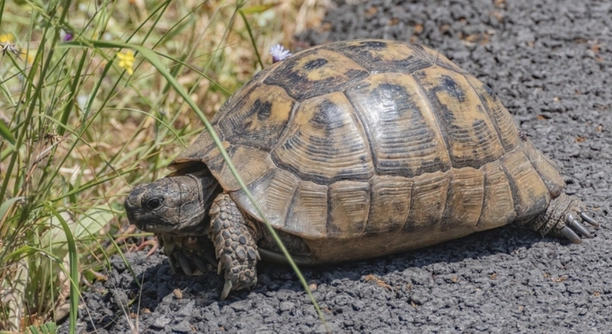
Russian tortoises are fascinating creatures, and understanding their behavior can help improve their well-being. When you notice your tortoise rubbing its legs together, it can leave you wondering what’s going on with this action.
The most common reason for this behavior is that Russian tortoises rub their legs together as part of their natural grooming routine. This action helps them clean themselves, especially after eating or during shedding. It may also be a sign of stress or discomfort.
This simple behavior might be tied to important aspects of their health and environment.
Understanding the Leg Rubbing Behavior
Russian tortoises are known for their unique habits, and rubbing their legs together is one that can raise questions. This action is a part of their grooming behavior. When tortoises rub their legs, it helps them remove dirt or debris that may have accumulated on their bodies, especially after eating. It’s also seen when they shed skin, as the rubbing action can help loosen old skin. Additionally, this behavior is a way for them to stretch and exercise their limbs. While it may look unusual, it is generally harmless.
However, rubbing their legs together can sometimes indicate stress. If a tortoise feels uncomfortable in its environment, whether due to temperature fluctuations, poor humidity, or inadequate space, it may start to exhibit behaviors like leg rubbing. It’s essential to consider their overall living conditions when interpreting this action. If your tortoise frequently rubs its legs, it could signal that something in its habitat isn’t quite right.
Is It a Sign of Stress?
Environmental factors can significantly affect the behavior of your tortoise. If the habitat feels too hot, cold, or cramped, it may cause stress. A sudden change in surroundings can make a tortoise uneasy, leading to leg rubbing as a response. A calm, comfortable environment can reduce these behaviors.
The key to preventing stress-related leg rubbing is creating an ideal habitat. Russian tortoises need a spacious enclosure, proper temperature, and humidity levels to thrive. Ensure they have access to clean water and a well-balanced diet. Observing their behavior and adjusting their environment as needed can significantly improve their overall well-being. If the leg rubbing persists, it’s a good idea to consult a veterinarian to rule out health concerns.
Health Concerns Linked to Leg Rubbing
Although leg rubbing is often harmless, it can sometimes point to underlying health issues. For example, if a tortoise rubs its legs due to an injury, it might be trying to soothe discomfort. Injuries are not always visible, but they can cause your tortoise to engage in behaviors like leg rubbing as a form of self-care. In some cases, they may also rub their legs due to an infection or skin irritation.
It’s essential to check for any signs of injury, such as swelling, redness, or any unusual discharge. Skin infections could also cause the tortoise to rub its legs in an attempt to relieve irritation. Additionally, certain parasites or fungal infections could lead to discomfort and rubbing behavior. In these instances, seeking advice from a reptile vet can ensure proper treatment and care.
Tortoises are resilient creatures, but they can be sensitive to changes in their health. By being aware of their behaviors and knowing when to seek professional help, you can keep your Russian tortoise happy and healthy.
Environmental Stressors
Russian tortoises can show signs of discomfort when their environment isn’t suitable. The temperature, humidity, or even the size of the enclosure can play a role in how they behave. It’s crucial to monitor these factors carefully.
If the temperature fluctuates or stays out of the ideal range, your tortoise may become stressed. They are cold-blooded, so they rely on external heat sources to regulate their body temperature. A proper heat lamp or basking area will ensure they stay comfortable. Humidity is another factor; if it’s too high or low, it can lead to respiratory problems. Ensure their habitat is well-balanced to keep them happy and healthy.
A cramped enclosure can also be a stressor. Russian tortoises require plenty of space to roam and explore. If the enclosure feels too small, they may engage in repetitive behaviors, like rubbing their legs, as a sign of frustration. Be sure to provide an environment where your tortoise has enough room to move freely.
Improper Diet and Digestion
Your tortoise’s diet plays a major role in their overall health and behavior. If they’re not getting the proper nutrition, it could lead to digestive issues, which may trigger leg rubbing. A diet that lacks variety or is too high in protein can cause gastrointestinal discomfort.
Feeding your tortoise a balanced diet is essential for their well-being. They primarily eat a mix of leafy greens, vegetables, and occasional fruits. Be cautious with the types of food you offer, avoiding those that are too rich in protein or high in oxalates, which can lead to kidney issues. A proper diet helps prevent digestive problems and ensures your tortoise stays in good health.
Additionally, improper digestion may result in bloating or discomfort, which can cause your tortoise to rub its legs together. If leg rubbing persists despite a healthy environment and diet, you may want to consult with a veterinarian to rule out any internal issues.
Shed Skin and Grooming
When Russian tortoises rub their legs together, it’s often related to their natural grooming routine. This behavior helps them shed old skin, especially after molting. It’s completely normal and a way to keep themselves clean.
Shedding is a regular part of their life cycle, and rubbing their legs together helps them loosen the skin. This action can happen several times a year and is a natural process. If the tortoise is having trouble shedding, rubbing may be more frequent. It’s essential to keep their enclosure humidity at the right level to assist with shedding.
Lack of Proper Lighting
Tortoises require proper lighting for their health. Without the right UVB light, they may struggle to digest calcium, leading to discomfort. This can cause stress, which might trigger repetitive behaviors like leg rubbing.
UVB light is crucial because it helps tortoises synthesize vitamin D3, which is necessary for calcium absorption. If the lighting is too weak or absent, it could affect their overall health. Regularly check the strength of their light bulbs and replace them as needed to maintain optimal conditions. Without sufficient UVB exposure, your tortoise’s behavior may change, including rubbing its legs.
FAQ
Why does my Russian tortoise rub its legs together?
Russian tortoises rub their legs together primarily as a form of grooming. This behavior helps them clean themselves, remove debris, and shed old skin. It’s a natural part of their routine, especially after they’ve eaten or during the shedding process. If your tortoise is rubbing its legs frequently, it could also be a sign of stress, discomfort, or health issues, such as skin irritation or injury.
Could leg rubbing be a sign of injury or infection?
Yes, leg rubbing can sometimes be a sign that your tortoise is trying to relieve discomfort caused by an injury or infection. If your tortoise is rubbing its legs more than usual, it’s important to check for any visible signs of injury, like swelling or redness. If you notice any unusual marks or wounds, or if the behavior persists, it’s a good idea to consult a vet to rule out any infections or other health concerns.
Is leg rubbing a sign of stress in my tortoise?
Stress can be a factor in your tortoise’s behavior. If the environment is not ideal, such as improper temperature, humidity, or inadequate space, your tortoise may rub its legs as a sign of frustration or stress. Make sure your tortoise has plenty of space, a comfortable temperature, and the right humidity levels to keep it calm and healthy. Stress can lead to various health issues, so it’s essential to address any potential environmental problems.
How can I reduce stress in my Russian tortoise?
To reduce stress in your Russian tortoise, ensure it has a spacious enclosure, with appropriate hiding spots, a heat source, and proper UVB lighting. Monitor the temperature and humidity levels closely to ensure they’re within the recommended range. Also, avoid sudden changes in its environment and handle the tortoise gently to prevent it from feeling threatened.
Does my tortoise need more space?
Yes, Russian tortoises need plenty of space to roam and explore. A cramped environment can cause frustration and stress, leading to leg rubbing and other repetitive behaviors. Ideally, a large enclosure with room to move, bask, and hide is necessary for their well-being. Providing ample space allows them to display more natural behaviors and reduces the chance of stress-related issues.
What kind of diet should I feed my Russian tortoise?
Russian tortoises are herbivores and should be fed a varied diet consisting of leafy greens, vegetables, and occasional fruits. It’s essential to provide them with a well-balanced diet to avoid digestive issues and other health problems. Avoid high-protein foods, such as meats, and offer them food high in fiber to keep their digestive system functioning properly. Foods like dandelion greens, collard greens, and hay are great staples.
Can improper lighting affect my tortoise’s behavior?
Yes, improper lighting can significantly affect your tortoise’s behavior. Russian tortoises need UVB light to help them absorb calcium and maintain healthy bones. Without it, they may experience discomfort, which could lead to behaviors like leg rubbing. Make sure your tortoise has access to a proper UVB light source, and replace the bulbs regularly to ensure they’re effective.
Is it okay for my Russian tortoise to live outside?
Yes, Russian tortoises can live outside in the right climate. However, if you live in a region with extreme weather, it’s better to keep them indoors in a controlled environment. If you do house them outdoors, ensure they have a secure enclosure, protection from predators, and a temperature range that suits their needs. Always monitor outdoor conditions to make sure they’re safe and comfortable.
How often should I clean my tortoise’s enclosure?
You should clean your tortoise’s enclosure regularly to prevent bacteria buildup and keep your pet healthy. Spot clean daily by removing uneaten food and waste. Perform a more thorough cleaning, including washing the substrate, once a week. Ensure the enclosure stays dry and well-maintained to avoid health issues.
Should I be worried if my tortoise rubs its legs often?
If your tortoise is rubbing its legs often, it may be a sign of grooming or shedding, which is normal. However, if the behavior becomes excessive or is paired with other signs of discomfort, like lethargy or changes in appetite, it could indicate stress, injury, or health issues. Keep an eye on its behavior and check for any signs of injury or discomfort. If you’re unsure, a vet check-up is a good idea.
Can I use coconut fiber as bedding for my tortoise?
Coconut fiber can be a good bedding choice for Russian tortoises. It retains moisture well, which is helpful for shedding, and provides a soft surface for them to move on. However, make sure it’s not too wet, as excessive moisture can lead to mold and respiratory problems. Change the bedding regularly to ensure a clean environment.
Why does my tortoise seem to be rubbing its face or limbs on the enclosure?
Your tortoise might rub its face or limbs against the enclosure for a couple of reasons. It could be trying to groom itself, or it might be feeling stressed. If the tortoise has trouble finding a comfortable spot or is confined in too small of an area, it may resort to rubbing against the walls. Check that the enclosure is spacious and comfortable for your tortoise to reduce this behavior.
How can I tell if my tortoise is shedding its skin properly?
When a tortoise is shedding, you may notice it rubbing its legs or face against surfaces to loosen the skin. The skin should come off in small, clean patches. If the tortoise is having trouble shedding, you may notice patches of skin that are stuck, which could indicate a problem. In such cases, increase the humidity in its enclosure and, if needed, help the shedding process by gently moistening the skin with a damp cloth.
Final Thoughts
Understanding why your Russian tortoise rubs its legs together is essential for ensuring its well-being. This behavior is often a natural part of their grooming process, which helps them shed skin and keep clean. However, frequent leg rubbing can sometimes be a sign of stress or discomfort. It’s important to observe their overall behavior and environment to determine if any adjustments are needed. If the leg rubbing becomes excessive or is paired with other signs of distress, it may be time to assess factors such as lighting, space, and diet to create a more comfortable habitat for your tortoise.
In many cases, providing a suitable enclosure with proper UVB lighting, heat, and humidity levels can prevent stress-related behaviors. Russian tortoises are highly sensitive to their environment, so small changes can impact their behavior. If your tortoise is rubbing its legs, check its enclosure for factors like temperature fluctuations, humidity, and potential injuries. Keeping the space clean and well-maintained will also contribute to its comfort and overall health. Regularly monitoring its diet and ensuring it gets the right amount of calcium and fiber can also reduce the risk of health problems that might lead to unusual behaviors.
If the leg rubbing persists and you suspect it’s caused by health issues, it’s always best to consult with a veterinarian who specializes in reptiles. They can provide a proper diagnosis and guide you on the necessary steps to address any potential problems. With the right care and attention, your Russian tortoise can live a healthy, stress-free life, and the leg rubbing will likely remain just a harmless part of its natural behavior.

Hello,
If you enjoy the content that we create, please consider saying a "Thank You!" by leaving a tip.
Every little bit helps us continue crafting quality advice that supports the health, happiness, and well-being of pets around the world, for pets of all shapes, sizes, and species.
We really appreciate the kindness and support that you show us!