
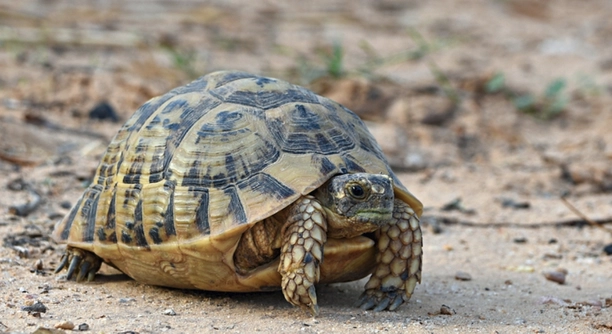
Russian tortoises are fascinating creatures, and their behavior often raises questions among pet owners. One behavior that may puzzle you is when your tortoise starts rubbing its beak against hard objects. This is actually quite common.
Tortoises rub their beaks on hard objects primarily to maintain beak health and trim their beaks naturally. It helps prevent overgrowth, which could hinder their ability to eat or move properly. This behavior is instinctive and beneficial.
Understanding the reasons behind this behavior can help you ensure your tortoise stays healthy. By providing the right environment and care, you can prevent potential problems and support your pet’s natural habits.
Why Do Russian Tortoises Rub Their Beaks?
Beak rubbing in Russian tortoises is a natural behavior often linked to their need to keep their beak trimmed. Unlike other pets, tortoises don’t have regular opportunities to grind down their beaks. In the wild, they wear their beaks down through daily activities like foraging and chewing on tough plants. When housed in captivity, their environment may not provide the same natural opportunities. As a result, your tortoise may rub its beak on hard objects such as rocks, logs, or even cage decor to help maintain proper beak length and function.
This behavior is essential for preventing overgrowth. A tortoise’s beak, when not naturally worn down, can become too long, making it difficult for them to eat and perform other necessary functions. Offering your tortoise safe, appropriate items to rub against helps them keep their beak in good condition. Over time, this can improve their overall health and prevent problems like difficulty eating or an overgrown beak.
Is Beak Rubbing Harmful?
While beak rubbing may seem strange, it’s actually a sign of a healthy tortoise maintaining its beak. However, it’s important to monitor the behavior to ensure it isn’t excessive. Beak overgrowth can still occur even with regular rubbing, so it’s a good idea to occasionally check your tortoise’s beak for signs of lengthening.
In addition to rubbing, make sure your tortoise has a proper diet that includes foods that naturally help wear down its beak. Foods with rough textures or hard surfaces can also play a role in keeping your tortoise’s beak healthy. Regular veterinary check-ups can catch any beak-related issues early.
Providing the Right Environment
To support your tortoise’s health, it’s essential to offer a proper environment that mimics natural conditions. A variety of safe, hard objects such as rocks or logs can encourage beak rubbing and provide mental stimulation. If you notice your tortoise is rubbing its beak more than usual, consider adding new textures or surfaces to its habitat. This can prevent boredom and ensure the beak remains well-maintained.
A proper diet is equally important. Offer your tortoise fresh greens and fibrous vegetables, which help with beak wear and general health. Keeping their habitat clean and ensuring they have plenty of space to move around also reduces stress, which could contribute to excessive rubbing. Regular monitoring and proper care are key to preventing any issues related to beak health.
Beak Overgrowth Issues
If beak rubbing isn’t enough to maintain proper length, overgrowth can become an issue. An overly long beak can make eating, drinking, and even moving difficult. Your tortoise may experience frustration, as it won’t be able to forage or bite food as effectively.
To prevent overgrowth, provide your tortoise with items that help wear down its beak. Hard objects such as stones, unpolished wooden logs, or certain types of safe, edible plants are effective. Be sure to monitor your tortoise’s beak regularly to catch any growth before it becomes problematic. If overgrowth occurs, consult a vet for trimming.
Beak overgrowth may also be caused by an imbalanced diet, lack of exercise, or stress. Regular checks on your tortoise’s diet and environment can prevent this. Fresh vegetables with rough textures, like dandelion greens, encourage natural wear. In addition to dietary adjustments, providing a well-maintained habitat with space for your tortoise to move around freely reduces stress, helping to prevent beak problems.
Monitoring Your Tortoise’s Beak Health
To keep your tortoise’s beak in good shape, regularly inspect its beak for any signs of lengthening. If the beak appears too long or misshapen, it may need to be trimmed by a veterinarian. Overgrown beaks can cause feeding issues, so early intervention is important.
The beak should be symmetrical and smooth, with no sharp edges or cracks. An unhealthy beak may indicate a larger issue with diet or environment. Some tortoises may have naturally sharper or longer beaks, so it’s crucial to understand the baseline for your species. If your tortoise seems to be struggling with feeding, it could be a sign that its beak needs attention. Keeping track of the beak’s condition over time will ensure your pet’s comfort and health.
Providing the Right Habitat
Your tortoise’s habitat plays a key role in maintaining its beak health. Make sure it has access to rough surfaces like rocks or logs that encourage natural beak wear. Providing variety in the environment helps prevent boredom and encourages more natural behaviors.
Adding different textures to the habitat is an easy way to encourage beak rubbing. Objects like flat stones or thick branches are great for beak maintenance. The right habitat ensures your tortoise has the opportunity to naturally maintain its beak, reducing the need for excessive rubbing and potential overgrowth.
Proper Diet for Beak Health
A proper diet can help keep your tortoise’s beak in good shape. Offer a variety of fibrous vegetables, such as kale, dandelion greens, and other roughage-rich foods. These help wear down the beak naturally. Avoid high-fat or sugary foods, as they can lead to health issues that affect beak growth.
Regular feeding of rough, natural foods ensures that your tortoise gets the nutrients it needs while also helping maintain a healthy beak. Fresh vegetables with tough textures encourage natural grinding and prevent the beak from growing too long. Including foods with coarse textures will contribute to beak health.
Stress Factors Affecting Beak Health
Stress can have a significant impact on your tortoise’s overall well-being, including its beak. A stressed tortoise might exhibit more beak rubbing, or even other behaviors like excessive hiding or pacing. Reducing stress factors in the environment helps prevent these behaviors and supports natural beak maintenance.
Creating a calm, quiet space for your tortoise to roam will help reduce stress. Avoid overcrowding its habitat, and ensure it has plenty of space to move and explore. A calm environment will allow your tortoise to focus on natural behaviors, like beak rubbing, without added anxiety.
FAQ
Why does my Russian tortoise rub its beak?
Russian tortoises rub their beaks to help maintain their length and shape. In the wild, they naturally wear down their beaks through foraging and eating rough foods. In captivity, they may not have these opportunities, so they rub their beaks on hard objects to trim and maintain them. It’s a natural and necessary behavior for their health.
How can I prevent beak overgrowth in my tortoise?
To prevent overgrowth, make sure your tortoise has access to rough surfaces such as rocks, logs, or unpolished stones. These objects encourage natural beak wear. Additionally, offering a diet rich in fibrous vegetables can also help maintain proper beak length. Regular checks and a healthy environment will also prevent issues.
Is beak rubbing a sign of stress?
While beak rubbing is usually a normal behavior, excessive rubbing can indicate stress. A stressed tortoise may rub its beak more frequently or intensely, possibly due to environmental factors like overcrowding, temperature fluctuations, or noise. Ensuring your tortoise has a calm, spacious environment will help reduce stress.
What signs should I look for if my tortoise has an overgrown beak?
If your tortoise’s beak is too long, you may notice difficulty eating, or it might appear misaligned or misshapen. The beak may have sharp edges or cracks. If you observe any of these signs, it’s time to consult a vet to avoid feeding or movement issues.
How often should I check my tortoise’s beak?
Checking your tortoise’s beak every few weeks is a good habit. Look for any signs of overgrowth, cracks, or wear. Regular inspections ensure that any issues can be addressed early before they cause problems with eating or overall health. You can also check your tortoise’s beak after any significant environmental changes.
Can I trim my tortoise’s beak myself?
It’s not recommended to trim your tortoise’s beak on your own, as it requires skill to avoid injury. Over-trimming or improper cutting can lead to pain or infection. If you suspect your tortoise’s beak needs trimming, consult a veterinarian who can safely perform the procedure.
What should I do if my tortoise stops eating due to beak issues?
If your tortoise stops eating, it may be due to a beak issue, such as overgrowth or damage. Take your tortoise to the vet to have its beak checked. The vet can assess the condition and provide proper treatment, which may involve trimming the beak or addressing other health problems.
Can a Russian tortoise’s beak naturally wear down in captivity?
While some beak wear happens naturally, a Russian tortoise in captivity often doesn’t have the same opportunities as in the wild to wear down its beak. You can help by providing rough surfaces in its habitat, as well as a diet that encourages natural beak wear, like fibrous vegetables.
How can I make my tortoise’s habitat better for beak health?
Create a habitat with varied surfaces like flat stones, logs, or other textured materials. These surfaces encourage your tortoise to rub its beak, maintaining its health. Additionally, ensure your tortoise has enough space to move around and explore freely. A large, clean habitat will help your tortoise maintain overall well-being.
Are there specific foods that can help with beak health?
Yes, foods high in fiber, such as dandelion greens, kale, and other rough vegetables, can help wear down the beak naturally. Avoid overfeeding soft, high-fat foods, as they won’t contribute to beak wear and can lead to health problems. A balanced diet with plenty of roughage is key.
Can I give my tortoise treats to help with beak health?
While treats are a fun addition, focus on offering foods that help with beak health. Hard, fibrous vegetables are the best options. Avoid sugary or soft treats, as they don’t contribute to beak wear and may cause other health issues. Treats should be occasional and balanced.
How do I know if my tortoise’s habitat is too small for beak health?
A cramped habitat may cause stress and prevent your tortoise from engaging in natural behaviors, including beak rubbing. If your tortoise has limited space to move or explore, it could lead to stress, which can affect beak health. Ensure there is enough room for it to roam freely and explore different textures.
Why is my tortoise rubbing its beak on the wall of its enclosure?
Your tortoise might rub its beak on the wall if it feels the surface offers a good opportunity to wear down the beak. However, constant rubbing on smooth or unsuitable surfaces might not provide the necessary wear and could lead to frustration or injury. Adding rougher textures in the enclosure will be more beneficial.
What should I do if my tortoise’s beak is cracked?
If you notice cracks in your tortoise’s beak, consult a vet immediately. Cracks can cause pain, difficulty eating, and lead to infections if not treated properly. A vet will be able to assess the damage and offer the necessary care, which may include medication or trimming.
Can stress cause my tortoise to rub its beak more?
Yes, stress can lead to more frequent beak rubbing. When tortoises feel stressed, they may engage in repetitive behaviors, including rubbing their beaks. Reducing stressors in their environment, such as noise, overcrowding, or improper temperatures, can help reduce excessive rubbing and keep your tortoise comfortable.
How do I prevent my tortoise from rubbing its beak too much?
To prevent excessive beak rubbing, ensure your tortoise has enough space and rough surfaces to naturally maintain its beak. Providing a balanced diet and minimizing stress are essential. If you notice persistent rubbing, check for other underlying causes like improper habitat conditions or health issues.
Final Thoughts
Beak rubbing in Russian tortoises is a natural behavior that helps them maintain the proper shape and length of their beak. In the wild, these tortoises wear down their beaks through activities like foraging, chewing on rough surfaces, and eating fibrous plants. In captivity, however, these opportunities are often limited. Without rough textures or a varied diet, tortoises may resort to rubbing their beaks on hard objects, like walls or rocks, to wear them down. This behavior is generally harmless but can signal that adjustments to their environment are needed for their overall health.
While beak rubbing is typically a normal part of your tortoise’s routine, there are instances where it could indicate a deeper issue. If your tortoise is rubbing excessively or showing signs of discomfort, it might be due to stress, an overgrown beak, or an improper habitat. Offering a larger enclosure with rough surfaces such as stones and logs can help maintain healthy beak wear. Additionally, providing a diet rich in fibrous vegetables like dandelion greens or kale will also encourage natural beak maintenance. Regularly monitoring your tortoise’s beak and overall behavior will allow you to catch any issues early.
If you notice any abnormalities with your tortoise’s beak, such as cracks, overgrowth, or difficulty eating, it’s important to seek advice from a veterinarian. Professional care can prevent further complications and ensure your tortoise remains healthy. By maintaining a proper diet, providing appropriate surfaces for beak wear, and offering a stress-free environment, you can keep your Russian tortoise healthy and happy.

Hello,
If you enjoy the content that we create, please consider saying a "Thank You!" by leaving a tip.
Every little bit helps us continue crafting quality advice that supports the health, happiness, and well-being of pets around the world, for pets of all shapes, sizes, and species.
We really appreciate the kindness and support that you show us!