
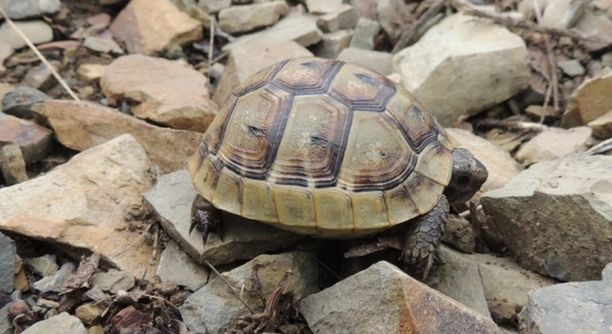
If your Russian tortoise is not using its front legs, you may be concerned about their health. It is important to assess the possible causes for this issue to ensure your pet’s well-being and comfort.
Several factors could contribute to your tortoise’s inability to use its front legs. The issue may arise from injuries, infections, or deficiencies in diet or habitat. A thorough check-up is essential to diagnose the problem accurately and provide appropriate care.
Understanding the root cause of this behavior is crucial for helping your tortoise regain mobility and prevent future health issues.
Possible Causes for Front Leg Issues
There are a few common reasons why your Russian tortoise may not be using its front legs. First, injuries such as fractures or sprains can lead to limited mobility. Tortoises, being naturally slow, can sometimes injure themselves while navigating their environment. Another factor to consider is infections, which could be affecting the muscles or nerves in the front legs. In some cases, a lack of essential nutrients such as calcium or vitamin D3 may cause weakness and lead to difficulty in movement. The environment itself can also contribute. If the temperature or humidity in their habitat is not ideal, your tortoise may experience stiffness and discomfort.
A sudden lack of use in the front legs can be a signal that something is wrong. It’s essential to look out for other signs, such as lethargy or changes in eating habits, as these may point to the underlying issue.
While it may be tempting to assume the problem is temporary, seeking professional help from a vet is vital to properly address the situation and ensure your tortoise’s health.
The Importance of Proper Nutrition
A balanced diet is essential for your Russian tortoise to maintain healthy movement and strength. Without the right nutrients, your tortoise could develop metabolic bone disease, which weakens its bones and muscles.
Calcium is a critical component, and without it, your tortoise may experience difficulty using its limbs. Be sure to provide a proper calcium supplement, along with vitamin D3, to help in the absorption process. Vegetables such as dandelion greens and kale are also high in calcium. To complement their diet, ensure they are getting enough UVB light to metabolize the nutrients effectively.
If you’ve been noticing a lack of mobility or activity, reconsidering your tortoise’s diet and consulting with a veterinarian about proper supplementation could help restore its strength.
Temperature and Habitat
The temperature in your tortoise’s habitat plays a significant role in its ability to move. A habitat that is too cold can lead to stiffness in the limbs, especially in the front legs. Ensure that the enclosure maintains a consistent temperature, ranging from 75 to 85°F, with a basking area reaching up to 95°F.
If the temperature is too low, your tortoise may struggle with mobility. The cold can cause muscles to tighten and reduce flexibility, making it difficult for them to move properly. A heating lamp or ceramic heat emitter can help regulate the temperature. In addition, be mindful of the humidity levels, as high humidity can also impact your tortoise’s movement and health.
If the enclosure is not set up properly, it can contribute to your tortoise’s discomfort. By adjusting the temperature and humidity, you can create a more supportive environment that encourages healthy movement and prevents injury.
Signs of Injury or Infection
Injury or infection can cause pain and discomfort, leading to a tortoise avoiding use of its front legs. If your tortoise has fallen, bumped into something, or experienced a trauma, it may have sustained an injury that affects its mobility.
Look for signs such as swelling, limping, or visible bruising, which can indicate that the legs have been injured. Even without visible signs, internal injuries can cause pain that prevents your tortoise from using its front legs. Infections can also impact mobility if the joints or bones are affected. Infected wounds or internal conditions might show symptoms like redness, warmth, or abnormal behavior.
If you notice these signs, it is important to take your tortoise to a veterinarian for an examination. Early detection and treatment can help avoid long-term issues and promote recovery.
Metabolic Bone Disease
Metabolic bone disease is a common issue in tortoises, particularly if they lack the right balance of calcium and vitamin D3. This condition weakens their bones and muscles, causing difficulty with movement. It’s important to provide proper supplements and UVB lighting to help prevent this disease.
Without proper calcium intake, your tortoise’s bones may become soft and brittle. This can affect their mobility and cause them to avoid using their front legs. The condition can worsen if not addressed, leading to permanent damage. Regular vet checkups and adjusting their diet and environment can help manage this disease.
Stress and Environment
Stress can lead to a range of health issues, including mobility problems. If your tortoise feels threatened or uncomfortable in its environment, it may withdraw and stop using its front legs. Consider the factors in the habitat that might cause stress.
Issues like overcrowding, excessive noise, or lack of hiding spots can create stress. Make sure your tortoise has a comfortable and secure space to feel safe. This will help reduce anxiety and encourage movement, including the use of its front legs. Creating a calm environment is essential for your tortoise’s health.
FAQ
Why is my Russian tortoise not moving its front legs?
There are several possible reasons your tortoise may not be using its front legs. Injuries, infections, and lack of proper nutrition are the most common causes. A sudden change in behavior, like avoiding the use of front legs, could indicate pain or discomfort. An injury, such as a sprain or fracture, can prevent movement. If there’s swelling, bruising, or limping, it’s likely due to trauma. Infections affecting the joints or muscles can also hinder mobility. Lastly, metabolic bone disease from inadequate calcium or UVB exposure can weaken bones and muscles, making movement difficult.
How can I tell if my tortoise has an injury?
Signs of injury include swelling, bruising, or limping. If your tortoise has been in a fall or bump, it might show these signs. Look for abnormal behavior such as reluctance to move or avoid using its front legs. Injuries might not always be visible externally but can cause internal pain. A professional vet will be able to properly diagnose the injury and provide treatment. It’s important to act quickly to avoid further complications.
What kind of diet is best for my tortoise’s health?
A balanced diet is crucial for your tortoise’s overall well-being. Ensure that your tortoise is eating a variety of leafy greens such as kale, dandelion greens, and collard greens. These are high in calcium and important for bone health. Avoid feeding them high-oxalate vegetables, which can interfere with calcium absorption. You should also provide a calcium supplement, particularly if your tortoise is not exposed to UVB light regularly. A proper diet, combined with correct lighting, will help keep your tortoise healthy and mobile.
How much UVB light does my Russian tortoise need?
UVB light is essential for the proper metabolism of calcium. Russian tortoises need exposure to UVB light for about 10-12 hours a day. This helps them synthesize vitamin D3, which is crucial for calcium absorption. If your tortoise does not receive natural sunlight, a UVB bulb is necessary. Make sure the bulb is placed properly in the enclosure, and replace it regularly as its effectiveness decreases over time.
Could my tortoise’s habitat temperature be affecting its legs?
Yes, the temperature of your tortoise’s habitat plays a key role in its mobility. If the enclosure is too cold, your tortoise may experience stiffness in its joints and muscles, especially in its front legs. The ideal temperature range is between 75-85°F, with a basking spot reaching up to 95°F. Cold environments can make it harder for your tortoise to move properly, and they may avoid using their front legs due to discomfort. Maintaining the correct temperature will help your tortoise stay active and healthy.
Can stress cause my tortoise to stop using its front legs?
Stress can significantly affect your tortoise’s health and behavior. If your tortoise feels threatened or uncomfortable in its habitat, it may stop moving around as much. This can lead to a reluctance to use its front legs. Stress factors include excessive noise, overcrowding, or a lack of hiding spots. If your tortoise is stressed, it may not feel secure enough to use its legs freely. Creating a calm, peaceful environment can help reduce stress and encourage normal behavior.
What are the signs of metabolic bone disease in tortoises?
Metabolic bone disease can cause your tortoise’s bones to become weak and brittle, leading to difficulty in movement. Common signs include softening or swelling of the shell, limping, or a reluctance to move. Tortoises suffering from this condition may also have visible deformities in their legs or shell. If your tortoise is not using its front legs, metabolic bone disease could be a factor. This condition is often caused by an improper diet, lack of UVB light, or calcium deficiency. Early detection and treatment are key to preventing further damage.
How can I treat an injury in my tortoise?
If you suspect an injury, it’s important to consult a vet as soon as possible. For minor injuries, rest and a quiet environment can help with recovery. If the injury is more serious, such as a fracture, your vet may need to immobilize the limb or recommend other treatments. You should avoid forcing your tortoise to move if it is in pain, as this could worsen the injury. Your vet will guide you on how to care for your tortoise during recovery.
Is it safe for my tortoise to roam outside?
While fresh air and natural sunlight are beneficial, outdoor excursions must be monitored. Ensure that the area is safe and free of predators or potential hazards. Avoid letting your tortoise roam in direct sunlight for too long, as overheating can occur. If the ground is uneven, your tortoise may be at risk of injury, so always supervise outdoor activities closely. Also, make sure your tortoise has access to shade and water when outside.
Should I be concerned if my tortoise is not moving much?
Reduced movement in tortoises can indicate several health issues, including injuries, infections, or improper environmental conditions. If your tortoise is not moving much, it’s important to evaluate its habitat, diet, and behavior. Keep an eye out for any signs of injury or discomfort. If the lack of movement persists or worsens, it’s crucial to schedule a vet visit to rule out any serious health conditions.
Final Thoughts
Understanding why your Russian tortoise is not using its front legs can be a complex process. It requires paying attention to multiple factors, including diet, habitat, and overall health. Often, the issue stems from something relatively simple, like inadequate nutrition or improper UVB lighting. However, it could also point to more serious conditions, such as metabolic bone disease or injury. Regardless of the cause, prompt attention to the issue is crucial for ensuring your tortoise’s well-being. It’s important to be patient, observe your tortoise’s behavior closely, and seek veterinary help if needed.
Regular check-ups with a vet are essential for diagnosing and treating health concerns. A professional can help identify if the problem is related to bone health, an infection, or something else entirely. In many cases, with the right care, your tortoise will recover and regain its mobility. Providing a balanced diet, the right lighting, and a stress-free environment will also contribute to its overall health and activity levels. Making these adjustments to its care routine will likely improve its ability to use its front legs.
Taking proactive steps now can prevent future issues and ensure that your Russian tortoise remains healthy. If you notice any changes in behavior or mobility, addressing them sooner rather than later will increase the chances of a positive outcome. By focusing on providing proper care, you can give your tortoise the best possible environment to thrive in. Regular maintenance of its habitat, diet, and health will lead to a happy, active tortoise in the long run.

Hello,
If you enjoy the content that we create, please consider saying a "Thank You!" by leaving a tip.
Every little bit helps us continue crafting quality advice that supports the health, happiness, and well-being of pets around the world, for pets of all shapes, sizes, and species.
We really appreciate the kindness and support that you show us!