
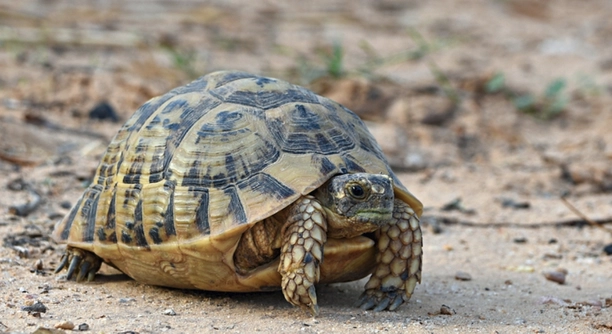
Russian tortoises are popular pets, but sometimes, they may not show interest in basking. This behavior can be puzzling and concerning for pet owners. Understanding the reasons behind it is key to ensuring your tortoise stays healthy.
The lack of interest in basking may result from various factors such as improper temperature, stress, or illness. Russian tortoises need specific conditions to feel comfortable and safe while basking. Identifying and addressing these factors is essential.
This article will explore common reasons for this behavior and offer practical tips to help your tortoise enjoy basking again.
Temperature Imbalance
One of the most common reasons why your Russian tortoise may not be interested in basking is improper temperature. Tortoises are cold-blooded animals, meaning they rely on external heat sources to regulate their body temperature. If their basking spot is too cold or too hot, they may avoid it altogether. Ensure that the basking area is between 90°F and 95°F (32°C to 35°C) for optimal comfort. If the temperature is not right, your tortoise will likely seek cooler or warmer spots in its enclosure.
A thermometer placed in the basking area will help monitor the temperature accurately.
Temperature imbalances can be caused by faulty heat lamps or incorrect placement of heating elements. Make sure the basking light is close enough to the area but not too intense. Additionally, check that the overall habitat temperature stays in a comfortable range, with a cool side to provide options. If your tortoise isn’t basking, adjusting the heat source to maintain consistent and proper temperatures might solve the problem. Remember, your tortoise needs a warm space to fully absorb heat and thrive, not just survive.
Stress from Environment
Stress can cause your tortoise to act differently, including avoiding basking. Too much noise, sudden changes, or overcrowding in the enclosure can make your tortoise feel uneasy. A stressed tortoise may hide more and spend less time in its basking area. It is important to create a calm, quiet environment for your tortoise to feel safe.
Minimize loud noises, limit handling, and ensure your tortoise’s habitat has plenty of hiding spaces to reduce anxiety. A stressed tortoise may not bask properly and could also show other signs of discomfort.
Illness or Injury
If your Russian tortoise isn’t basking, an illness or injury could be the reason. Tortoises that feel unwell tend to hide or avoid basking. Look for other signs, such as loss of appetite, lethargy, or difficulty moving. If these occur alongside the lack of basking, it’s time to take your tortoise to the vet.
Illnesses like respiratory infections or shell problems can make it uncomfortable for your tortoise to bask. Injuries to its legs or shell can also cause pain when moving toward the heat. If your tortoise seems weak or is showing signs of distress, a visit to the vet is crucial. Catching problems early helps prevent more serious issues.
Some tortoises may even avoid basking if they have internal parasites or digestive issues. If you suspect any health concerns, it’s important to keep a close eye on their behavior. A veterinary checkup can give you a clear answer and rule out health problems, ensuring your tortoise can enjoy basking again.
Inadequate Lighting
Lighting plays a significant role in your tortoise’s behavior. Without proper UVB lighting, your Russian tortoise may not feel the need to bask. UVB rays help them process calcium and maintain overall health. Without exposure, they may appear uninterested in basking.
UVB light should be provided for 10-12 hours a day. Place the light in an area that allows your tortoise to get close to it but not too close to avoid burning. Over time, improper UVB lighting can cause long-term health issues, which can also affect their basking habits. Make sure to replace bulbs regularly, as they lose their effectiveness even if they still produce visible light.
Also, ensure your tortoise’s basking area is under both UVB and heat lamps for optimal basking conditions. These combined sources mimic natural sunlight, which is crucial for your tortoise to absorb the heat and UVB necessary for proper metabolic function. Without both, your tortoise may lose interest in basking altogether.
Age-Related Changes
As your Russian tortoise gets older, it may naturally become less active, including spending less time basking. Older tortoises may not need as much heat or UVB exposure, leading them to avoid the basking area more often. This change can be part of the aging process.
However, if an older tortoise suddenly stops basking or seems lethargic, it’s important to monitor for other signs of health issues. Changes in behavior should not be ignored, as age-related health problems could cause discomfort, leading to avoidance of basking. Consult a vet to rule out serious conditions.
Overfeeding
Overfeeding can lead to inactivity in Russian tortoises, and this can affect their interest in basking. A tortoise that has eaten too much may feel lethargic and avoid basking areas. Ensure you are offering the right amount of food and variety, as obesity can negatively impact your tortoise’s behavior.
Feeding them too frequently or giving them too much food in one sitting can leave them sluggish and disinterested in basking. Offer food in smaller amounts and focus on providing balanced nutrition. This helps keep your tortoise active and motivated to bask.
Why is my Russian tortoise not basking?
There are a variety of reasons why your Russian tortoise may avoid basking. Temperature imbalances, stress, illness, improper lighting, age, and overfeeding can all affect your tortoise’s behavior. If your tortoise is not basking, it is important to check its environment and health. Ensure the temperature in the basking area is between 90°F and 95°F (32°C to 35°C), the UVB lighting is correct, and there are no signs of illness or injury. If the tortoise still isn’t basking, it may be a sign that it is not feeling comfortable in its habitat.
How much basking time does my tortoise need?
Russian tortoises generally need around 4 to 6 hours of basking time each day to regulate their body temperature and absorb necessary UVB rays. A good amount of time spent basking helps them stay healthy by promoting proper digestion and calcium absorption. However, make sure they have a cooler, shaded area to retreat to if they become too warm during the day. Consistent basking is key to maintaining overall health, but the duration can vary depending on individual needs.
What should I do if my tortoise isn’t basking but seems healthy?
If your Russian tortoise seems healthy but isn’t basking, it could simply be due to personal preferences or environmental factors. First, ensure that the basking spot is appropriately set up with proper heat and UVB lighting. If the temperature and lighting are correct, observe your tortoise’s behavior. Sometimes, they may prefer hiding more, especially during certain times of day. If everything in the enclosure appears fine, don’t panic—your tortoise might be comfortable enough without basking continuously.
Could my tortoise be sick if it refuses to bask?
Yes, illness is a possible reason for your tortoise’s refusal to bask. If your tortoise is showing other signs of distress, such as loss of appetite, lethargy, difficulty walking, or abnormal shell appearance, it may be unwell. Health problems, including respiratory infections, digestive issues, or parasites, can make a tortoise avoid basking. In such cases, a visit to the vet is recommended to address potential health concerns. Early diagnosis can help prevent further complications.
Can I force my tortoise to bask?
No, you should never force your tortoise to bask. Russian tortoises, like all reptiles, need to feel comfortable and secure in their environment. If they are not interested in basking, it is usually a sign that something is wrong. Forcing your tortoise into the basking area can stress it out and may cause more harm than good. Instead, focus on adjusting the enclosure’s conditions (temperature, humidity, lighting) to encourage natural basking behavior.
How can I ensure my tortoise enjoys basking?
To make basking enjoyable for your Russian tortoise, create a proper basking area with the right temperature and UVB lighting. The basking spot should be close enough to the heat source, but not so close that it could cause overheating or burns. Provide hiding spots and areas of shade for your tortoise to retreat to when it gets too warm. Regularly monitor the temperature and light levels to ensure they remain optimal. Finally, ensure that your tortoise is healthy and not stressed, as comfort is key for basking enjoyment.
Is it possible for my tortoise to bask too much?
While basking is important for your tortoise’s health, it is possible for them to bask too much. Overexposure to excessive heat or UVB can lead to dehydration or skin burns. Make sure your tortoise has access to cooler areas in its enclosure where it can retreat from the heat. If you notice that your tortoise is spending too much time in the basking area, adjust the temperature to encourage balance and prevent overbasking.
How often should I replace the UVB light?
UVB bulbs lose their effectiveness over time, even if they still emit light. It’s recommended to replace the UVB bulb every 6 to 12 months, depending on the type of bulb you’re using. Even if the bulb still appears to be working, its UVB output decreases significantly after several months. Always follow the manufacturer’s guidelines for bulb replacement to ensure your tortoise gets the right amount of UVB exposure for optimal health. A new UVB light will encourage your tortoise to bask more regularly and effectively.
Can a dirty tank affect basking behavior?
Yes, a dirty tank can affect your tortoise’s behavior, including its interest in basking. If the tank is overly messy or not maintained properly, your tortoise may feel stressed or unsafe, causing it to avoid certain areas, including the basking spot. Regular cleaning is essential not only for health but also for encouraging natural behaviors. A clean, well-maintained enclosure promotes comfort and reduces stress, allowing your tortoise to enjoy basking and other activities.
Can overfeeding cause my tortoise to avoid basking?
Yes, overfeeding can make your tortoise sluggish and less interested in basking. If a tortoise is too full or has eaten too much, it may prefer to stay inactive and avoid basking. Overeating can lead to weight gain and lack of motivation to move around, including seeking out the basking area. To prevent this, offer food in moderate amounts and avoid excessive feeding. Make sure your tortoise gets a balanced diet to encourage active behavior, including basking.
When your Russian tortoise isn’t interested in basking, it can be worrying, but understanding the possible causes is a step toward resolving the issue. It’s important to consider environmental factors first. Check the temperature and lighting in the basking area to ensure they’re within the ideal range for your tortoise. If the basking spot is too hot, too cold, or lacks proper UVB light, your tortoise may avoid it. Regularly monitoring and adjusting these conditions is key to encouraging your tortoise to bask comfortably.
Health concerns can also play a role in your tortoise’s behavior. If it seems unwell, such as showing signs of lethargy, loss of appetite, or any physical changes, it might be avoiding basking due to discomfort or pain. Illnesses, injuries, or stress can make it harder for your tortoise to enjoy basking, so it’s important to keep an eye on other behaviors. If your tortoise stops basking and also appears sick, a visit to the vet is necessary to rule out health problems. Early intervention can help your tortoise get back on track.
Finally, it’s essential to be patient. Sometimes, tortoises may prefer to stay hidden or remain in cooler spots for reasons that are not immediately obvious. Age, overfeeding, or minor changes in behavior can also contribute to a decrease in basking. While it’s important to address any potential issues, don’t be too alarmed if your tortoise occasionally avoids basking. Keep the environment clean, well-maintained, and comfortable, and monitor for any signs of stress or illness. With the right care, your tortoise should resume basking and continue to thrive.

Hello,
If you enjoy the content that we create, please consider saying a "Thank You!" by leaving a tip.
Every little bit helps us continue crafting quality advice that supports the health, happiness, and well-being of pets around the world, for pets of all shapes, sizes, and species.
We really appreciate the kindness and support that you show us!