
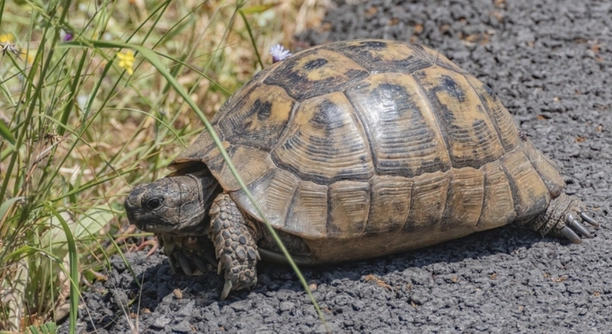
If you’re noticing that your Russian tortoise is losing weight, it can be a concerning issue. Understanding the reasons behind this can help you take the right steps to ensure your pet stays healthy.
Weight loss in Russian tortoises can be caused by several factors, including improper diet, environmental stress, illness, or a lack of proper care. It’s essential to observe your tortoise’s behavior and surroundings to pinpoint the underlying cause.
Knowing the potential reasons for your tortoise’s weight loss is crucial. Proper care and attention will help you address the issue and maintain your pet’s health and well-being.
Poor Diet and Lack of Nutrients
One of the main reasons your Russian tortoise could be losing weight is due to an inadequate diet. These tortoises require a balanced mix of leafy greens, vegetables, and the occasional fruit. If their meals are too low in fiber or calcium, their health can decline. For instance, feeding them only one type of food or an improper combination of nutrients can leave them malnourished. This can cause weight loss and even make them weaker over time.
Feeding your tortoise a variety of foods that include things like dandelion greens, kale, and collard greens is important. Adding calcium supplements to their meals may also help prevent bone health issues. The right food combination helps them grow properly and keeps their metabolism in check.
Overfeeding or underfeeding your tortoise can also lead to weight problems. It’s important to strike a balance between giving enough food and not overwhelming them. If they’re eating too much, they might become obese, which is unhealthy. Too little, and they won’t get the nutrients they need to thrive.
Health Problems
Sometimes, your tortoise may be dealing with a health issue that’s contributing to their weight loss. Illnesses, such as respiratory infections, parasites, or metabolic bone disease, can cause symptoms like lack of appetite, lethargy, and weight loss. These health conditions need immediate attention to prevent further complications.
If you notice any changes in your tortoise’s behavior, such as reduced movement, changes in their shell, or difficulty eating, it could be a sign of a health issue. Taking your tortoise to a vet that specializes in reptiles is the best course of action. They can run tests to identify any infections or internal issues.
Parasites, in particular, are common in tortoises that roam outdoors. They can affect their digestive system, preventing proper nutrient absorption. Likewise, if a tortoise is not getting enough sunlight or UVB light, it could develop metabolic bone disease, causing their bones to weaken and leading to weight loss. Proper veterinary care will help you identify and treat any health problems early on.
Stress and Environmental Factors
Russian tortoises can lose weight if they’re stressed or uncomfortable in their environment. Stress can come from too much noise, sudden temperature changes, or being housed with other pets. Creating a calm and secure habitat is crucial for your tortoise’s health.
Ensure their enclosure is in a quiet area with a stable temperature between 75-85°F during the day and 65-75°F at night. Make sure there are plenty of hiding spots where they can retreat if they feel threatened. A stressful environment can cause them to eat less and eventually lose weight.
Poor lighting is another factor that can contribute to stress. A lack of proper UVB lighting can affect their ability to metabolize calcium properly, which can lead to weight loss and health problems. Providing proper UVB lights and a warm basking area can significantly improve their well-being.
Over or Under Hydration
Hydration is vital for your tortoise’s health. If your Russian tortoise isn’t getting enough water, it could lead to dehydration, which may cause them to lose weight. Ensure that fresh water is always available for them to drink. Sometimes, they may not drink enough on their own, so soaking them in lukewarm water for 15-20 minutes a few times a week can help.
On the flip side, overhydration can also be a problem. Too much water can make their digestive system sluggish, causing them to lose weight due to inefficient food absorption. Avoid excessive soaking and only do it when necessary, as over-soaking can stress them out or lead to skin issues.
Having a shallow water dish in their habitat, along with a regular soaking schedule, will help keep them hydrated while ensuring they’re not overexposed to water. A good balance is key.
Incorrect Habitat Size
A cramped or poorly sized enclosure can cause your Russian tortoise to feel stressed and lose weight. Make sure their habitat is spacious enough for them to move freely, as a lack of room can result in inactivity and reduced appetite.
A minimum enclosure size of 4 feet by 2 feet is recommended for an adult Russian tortoise. It allows them to roam and get the necessary exercise to stay healthy. If the enclosure is too small, they won’t feel comfortable, which can lead to both stress and weight loss.
Poor Temperature Regulation
Temperature is essential for your tortoise’s overall health. If their habitat isn’t kept at the right temperature, it can negatively impact their metabolism and appetite. Russian tortoises require a basking area around 90°F and a cooler spot between 75-85°F.
Without the right temperature, they may not be able to digest their food properly. This can result in a loss of nutrients and weight. Ensuring proper heating through a basking light and heating pad will help them maintain the necessary body temperature to stay healthy.
Lack of Exercise
Exercise is important for keeping your tortoise fit and healthy. If they don’t have enough space to roam or aren’t given opportunities to move around, their muscles can weaken, and they might lose weight. Let your tortoise out of their enclosure for supervised walks or create a larger space for them to explore.
FAQ
How can I tell if my Russian tortoise is underweight?
If your Russian tortoise is underweight, you might notice their ribs, spine, or hip bones sticking out more than usual. Their shell may also look flatter than normal, as healthy tortoises tend to have a more rounded, fuller shell. Also, if they’re eating less or showing signs of lethargy, weight loss could be a concern. Weighing them regularly can help you keep track of any changes.
What should I feed my Russian tortoise to help it gain weight?
To help your Russian tortoise gain weight, offer a variety of leafy greens such as dandelion greens, kale, and collard greens. You can also add small amounts of cactus pads or certain weeds like clover. Avoid giving too many fruits, as they are high in sugar and can cause digestive issues. Adding calcium supplements to their food may also improve their overall health, including their weight.
Can my tortoise lose weight due to lack of UVB light?
Yes, lack of proper UVB light can affect your tortoise’s ability to absorb calcium, which is crucial for their bones and metabolism. Without UVB light, their health can decline, leading to weight loss. Ensure your tortoise has access to UVB lighting for about 12 hours a day, especially if they’re housed indoors.
How often should I feed my Russian tortoise?
You should feed your Russian tortoise daily, providing fresh greens and vegetables. A varied diet is best to ensure they’re getting all the nutrients they need. You can offer smaller portions at first and gradually increase if they’re not eating enough. Keep their food fresh, as old or spoiled vegetables can cause them to lose their appetite.
Can stress cause my Russian tortoise to lose weight?
Yes, stress can lead to weight loss in your tortoise. Stress can come from various factors, such as loud noises, being housed with other pets, or having an unstable environment. If your tortoise seems unusually shy or inactive, check their habitat for possible stress triggers. A calm and secure environment is key for their health.
Is it normal for my tortoise to lose weight during hibernation?
It’s normal for Russian tortoises to lose a small amount of weight during hibernation, but the loss should be minimal. If you notice significant weight loss, it could be a sign of an underlying health problem. Ensure your tortoise is properly prepared for hibernation, with a stable temperature and proper hydration. Always monitor their condition before, during, and after hibernation.
What are signs that my Russian tortoise is sick?
Signs of illness in a Russian tortoise can include lethargy, a lack of appetite, nasal discharge, wheezing, or diarrhea. Their shell might appear soft or deformed if they have a calcium deficiency. Any changes in their behavior or physical appearance should be taken seriously and evaluated by a vet who specializes in reptiles.
How much water should my Russian tortoise drink?
Russian tortoises do not drink a lot of water, but they still need access to fresh water at all times. You should also soak your tortoise a few times a week in lukewarm water to ensure they stay hydrated. Be mindful not to soak them for too long, as it can cause stress or skin issues.
Can improper temperature affect my tortoise’s weight?
Yes, improper temperatures can negatively affect your tortoise’s weight. If the temperature is too low, your tortoise may become lethargic and eat less. If it’s too high, they might become stressed. A consistent temperature range of 75-85°F during the day with a basking area of around 90°F is ideal.
What if my tortoise refuses to eat?
If your Russian tortoise refuses to eat, it could be due to stress, illness, or improper environmental conditions. Ensure their habitat is at the right temperature, humidity, and lighting. If they continue to refuse food, it’s best to consult with a vet to rule out any health issues. Sometimes offering different food options or soaking them in water may encourage them to eat.
How can I prevent my tortoise from losing weight in the future?
Preventing weight loss in your tortoise involves maintaining a stable environment, providing a proper diet, and ensuring they get enough exercise. Regularly check their weight, watch for signs of stress or illness, and make sure their enclosure is appropriately sized with proper temperature and lighting. Consistent care is key for their long-term health.
Taking care of a Russian tortoise involves more than just feeding them daily. Their health and well-being depend on many factors, from their diet to their habitat. When your tortoise starts losing weight, it’s essential to pay attention to the signs and determine what might be causing the problem. Sometimes, the reason is as simple as a change in their environment or an imbalance in their diet, but it could also be a sign of a more serious health issue that needs immediate attention. By understanding the different factors that affect your tortoise’s weight, you can take the right steps to help them regain their health.
Diet plays a critical role in your tortoise’s overall health. Make sure to provide a variety of leafy greens and vegetables, as these are essential for their growth and metabolism. Avoid overfeeding fruits, as they can upset their digestive system. If you notice your tortoise is losing weight, check if their food intake is balanced. It might be necessary to adjust their diet to include more fiber, calcium, or other nutrients they might be missing. Along with a good diet, ensure they are properly hydrated, and try soaking them in water to encourage drinking. If their weight continues to drop, don’t hesitate to seek help from a veterinarian who specializes in reptiles.
Lastly, creating a stress-free environment is crucial. Your tortoise should feel comfortable and safe in their habitat. Make sure their enclosure is large enough for them to roam freely, and maintain a steady temperature and lighting. Stress, poor lighting, or cramped living conditions can significantly affect their appetite and overall health. Regular monitoring of their weight and behavior is the best way to keep track of any changes. With the right care, you can help your Russian tortoise maintain a healthy weight and live a long, happy life.

Hello,
If you enjoy the content that we create, please consider saying a "Thank You!" by leaving a tip.
Every little bit helps us continue crafting quality advice that supports the health, happiness, and well-being of pets around the world, for pets of all shapes, sizes, and species.
We really appreciate the kindness and support that you show us!