
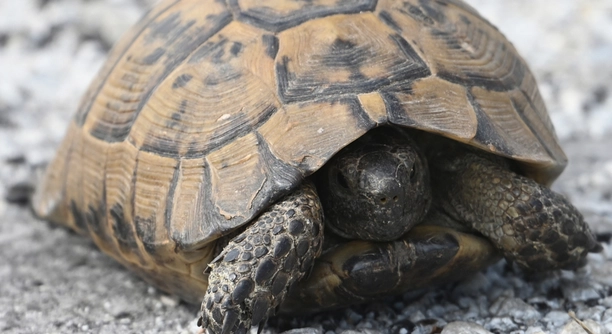
If your Russian tortoise is lying in its water bowl, it can be concerning. Understanding why this behavior occurs is important to maintaining your tortoise’s health and ensuring its well-being in its environment.
The primary reason your Russian tortoise may be lying in its water bowl is due to overheating or dehydration. Tortoises often seek cool, moist places to regulate their body temperature or rehydrate. Make sure your tortoise has access to proper humidity and temperature levels.
This behavior could be a sign of other issues related to its habitat or health. Understanding these factors will help ensure your tortoise’s comfort and longevity in its care.
Common Reasons for Russian Tortoises Lying in Their Water Bowl
One of the most common reasons your Russian tortoise might be lying in its water bowl is because it is trying to cool down. Tortoises rely on external temperatures to regulate their body heat. If the temperature in their enclosure is too high, they may instinctively seek out cooler areas, such as water, to help with heat regulation. Additionally, dehydration is another factor to consider. Water is essential for a tortoise’s health, and if it isn’t getting enough moisture, it might be drawn to the water bowl more than usual. Keeping the enclosure’s temperature and humidity levels stable can prevent this behavior.
If your tortoise is lying in its water bowl for extended periods, check the temperature. Ensure it’s not too hot and that your tortoise has access to both a warm and a cool spot in its habitat.
In addition, water should be clean and fresh. Dirty or stagnant water can lead to health problems like infections. Regularly replace the water in the bowl, and offer your tortoise fresh drinking water daily to ensure proper hydration and prevent unhealthy behavior.
Signs of Illness That Could Be Causing the Behavior
Sometimes, a tortoise lying in its water bowl might be a sign of illness. Infections or internal issues could be causing your tortoise to seek comfort in the water. Respiratory infections, for example, can cause lethargy, making the tortoise appear weak and in need of rest. If your tortoise is frequently lying in the water, look for other signs such as nasal discharge, wheezing, or a lack of appetite. These could indicate a respiratory infection.
Infections or parasites can also affect digestion, leading to discomfort. This might cause your tortoise to appear sluggish and seek water for relief. It is vital to address any signs of illness early to avoid further complications. Consult a reptile veterinarian for a proper diagnosis if you suspect your tortoise might be sick.
Temperature and Humidity Levels in the Habitat
The temperature and humidity in your tortoise’s habitat play a crucial role in its behavior. If it’s too warm or too cold, your tortoise may seek out the water bowl to regulate its body temperature. Keep the basking area around 90°F and the cooler side between 75°F and 80°F. Humidity levels should be moderate to avoid dehydration.
If the habitat is too dry, your tortoise may also find comfort in the water bowl. Ensure the enclosure is well-ventilated but not too drafty, and keep the humidity around 40-60%. A simple humidity gauge can help monitor these levels. Proper care of your tortoise’s environment will help prevent unusual behaviors like excessive resting in the water bowl.
To maintain a balanced habitat, consider using a heat lamp or ceramic heater for warmth, along with a shallow water dish that allows for drinking without soaking. Be sure to check the temperature regularly, adjusting it as needed to avoid discomfort. Monitoring humidity is equally important for keeping your tortoise hydrated and comfortable.
Diet and Dehydration Concerns
A poor diet may contribute to dehydration, leading your tortoise to lie in its water bowl. Tortoises need a balanced diet rich in leafy greens, vegetables, and the occasional fruit. Avoid overfeeding high-protein foods like lettuce or animal products.
Dehydration can occur if your tortoise doesn’t have enough access to water or if the food it’s eating doesn’t provide enough moisture. Offer fresh greens daily and provide a shallow water dish that your tortoise can easily access. Dehydration can cause lethargy, so it’s important to address any diet issues quickly.
If your tortoise shows signs of dehydration, such as sunken eyes or dry skin, immediately adjust its diet and water supply. Ensure the enclosure is equipped with fresh water at all times and offer water-rich vegetables, like cucumbers and watermelon. This will help prevent dehydration and promote overall health.
Stress and Environmental Changes
Stress can lead to unusual behavior in your tortoise, such as lying in its water bowl. Any sudden changes in the environment, such as moving the tank or introducing new animals, can cause anxiety. Tortoises are creatures of habit and prefer a stable, predictable environment.
Ensure your tortoise’s living space is calm and quiet. Avoid making frequent changes, and allow your tortoise time to adjust if any changes occur. Providing a secure, stable environment helps your tortoise feel safe and reduces stress-induced behaviors. If your tortoise is stressed, it may take time for it to return to normal.
Inadequate Lighting
Without proper lighting, your tortoise may feel disoriented and stressed. UVB lighting is essential for tortoises to regulate their metabolism and vitamin D production. Without it, your tortoise might feel lethargic and find comfort in the water bowl as a way to cope with low energy levels.
Ensure your tortoise has access to both UVA and UVB light. Provide natural sunlight or UVB bulbs for at least 10-12 hours a day. Inadequate lighting can lead to metabolic bone disease and other health problems, which may make your tortoise behave differently. Regularly change the bulbs to ensure effective light.
FAQ
Why is my tortoise constantly in the water bowl?
Your tortoise may be in the water bowl due to overheating, dehydration, or stress. If the enclosure is too warm or dry, your tortoise will seek cooler, more hydrated areas to regulate its body temperature. Ensure the habitat has the proper temperature and humidity. Also, check for signs of illness, as health issues could cause this behavior.
How can I tell if my tortoise is dehydrated?
Signs of dehydration in a tortoise include sunken eyes, dry skin, and a lack of appetite. If your tortoise is also spending more time in its water bowl, it might be trying to hydrate itself. Ensure it has fresh water daily and a diet that includes water-rich vegetables.
What temperature should my tortoise’s habitat be?
The basking area should be around 90°F, while the cooler side of the habitat should stay between 75°F and 80°F. A temperature gradient helps your tortoise regulate its body temperature. Make sure the enclosure’s temperature is consistent and monitor it with a thermometer.
Can my tortoise get too hot in its enclosure?
Yes, if the enclosure is too hot, your tortoise will look for ways to cool off, possibly by resting in the water bowl. The heat source should not be placed too close to the tortoise’s resting area. Aim for a basking temperature of 90°F, and keep the rest of the habitat cooler.
What should I do if my tortoise won’t stop lying in its water?
If your tortoise spends too much time in its water bowl, check the temperature and humidity levels in its habitat. Make sure it’s not overheated or dehydrated. If environmental factors are fine, consider whether stress or illness could be affecting its behavior and seek veterinary advice if needed.
How much water does my tortoise need?
While tortoises don’t need to be submerged in water, they should have access to clean water every day. A shallow dish is usually sufficient. The amount depends on your tortoise’s size and species, but always provide fresh water. Tortoises also absorb moisture from their food, so a diet with high-water content is beneficial.
Is it normal for my tortoise to be inactive at certain times?
Tortoises tend to be more inactive during cooler weather or when they’re adjusting to a new environment. If your tortoise is laying in the water bowl, it may simply be resting. However, excessive inactivity could also indicate illness or stress. Monitor for other signs like loss of appetite or lethargy.
What should I do if my tortoise’s water bowl is dirty?
Clean the water bowl every day to prevent bacterial growth and keep it fresh. If your tortoise spends a lot of time in the water, it could be because the bowl is dirty, and it’s trying to seek comfort. A clean bowl ensures your tortoise has access to safe water for hydration.
Does the size of the water bowl matter?
Yes, the size of the water bowl can impact your tortoise’s behavior. The bowl should be large enough for your tortoise to drink from comfortably but not too deep for it to get stuck. A shallow, wide bowl is ideal for easy access. Clean it regularly to avoid contamination.
Could my tortoise be showing signs of stress?
Tortoises can show signs of stress, including excessive hiding, not eating, and spending more time in the water bowl. Stress can be caused by environmental changes, such as new surroundings, loud noises, or the introduction of other animals. Providing a calm and consistent environment helps reduce stress.
Can a lack of UVB lighting cause my tortoise to act strangely?
Yes, insufficient UVB lighting can make your tortoise feel weak or lethargic. Without proper UVB exposure, it may have trouble absorbing calcium and could develop metabolic bone disease. This could lead to abnormal behaviors, including spending more time in the water bowl. Ensure your tortoise has access to UVB light for 10-12 hours each day.
How can I prevent my tortoise from becoming dehydrated?
To prevent dehydration, provide fresh water daily, and include water-rich vegetables in its diet, such as cucumbers or watermelon. Monitor the humidity in the enclosure and make sure it’s not too dry. If dehydration signs appear, increase its water intake and consult a vet if needed.
What type of food should I feed my tortoise?
Tortoises thrive on a diet rich in leafy greens, such as collard greens, dandelion greens, and kale. Avoid overfeeding fruits, and refrain from giving them foods high in protein. A balanced diet helps ensure your tortoise remains healthy and hydrated, which can reduce the likelihood of water-seeking behavior.
Is my tortoise at risk of an infection from the water bowl?
Yes, a dirty water bowl can lead to bacterial infections. Regularly cleaning the water bowl with non-toxic, reptile-safe cleaners is essential. Make sure your tortoise has access to fresh water every day to avoid any health risks associated with stagnant water. Regular cleaning prevents bacteria from multiplying.
Final Thoughts
Understanding why your Russian tortoise might be spending time in its water bowl can help address potential issues in its care. Tortoises are sensitive creatures, and small changes in their environment can have a significant impact on their behavior. Temperature, humidity, and the size of their enclosure all play a role in their well-being. When a tortoise is seen resting in the water bowl, it may indicate a need for cooling down, hydration, or even a response to stress. By closely monitoring these factors, you can ensure your tortoise remains comfortable and healthy.
It’s essential to pay attention to the signs your tortoise is giving you. Environmental factors like improper lighting or temperature can cause discomfort, making your tortoise seek shelter in the water bowl. Maintaining the correct habitat conditions is vital for its long-term health. If there are changes in your tortoise’s behavior, such as prolonged water-bowl resting, it’s worth checking on the environment, hydration, and diet. An ill or stressed tortoise may need extra care, and seeking the advice of a vet is always a good idea when unsure about the cause.
Providing a stable, secure environment for your tortoise can reduce the likelihood of stress or abnormal behavior. This includes offering a proper temperature gradient, clean water, and a balanced diet. Regularly cleaning your tortoise’s enclosure and ensuring it has adequate space to move around will contribute to its overall comfort. Taking these steps can help you better understand your tortoise’s needs, keeping it healthy and content in its habitat.

Hello,
If you enjoy the content that we create, please consider saying a "Thank You!" by leaving a tip.
Every little bit helps us continue crafting quality advice that supports the health, happiness, and well-being of pets around the world, for pets of all shapes, sizes, and species.
We really appreciate the kindness and support that you show us!