
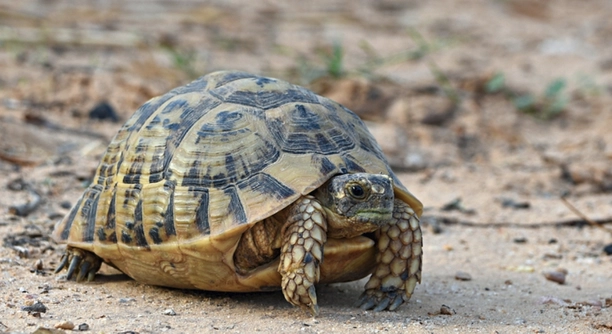
It can be puzzling when your Russian tortoise ignores its favorite food. This behavior can leave you wondering if something is wrong or if it’s just a passing phase. Understanding why this happens will help you address the issue.
A common reason why a Russian tortoise may ignore its favorite food is related to environmental factors, such as temperature, stress, or health issues. Changes in habitat or diet can also influence their appetite, leading to temporary refusals.
There are a few potential causes behind your tortoise’s behavior. Learning more about these reasons will help you ensure your pet stays healthy and happy.
Changes in Environment Can Affect Appetite
Russian tortoises are sensitive to changes in their environment. If you recently moved their enclosure or altered the temperature, these shifts can affect their eating habits. Tortoises thrive in stable environments with consistent temperatures. If it’s too hot or too cold, your tortoise may not feel like eating. Even something as simple as moving their food bowl or changing their substrate can disrupt their eating routine. Keeping the habitat conditions as stable as possible is key to maintaining their appetite.
Adjustments to your tortoise’s home could make them feel stressed. This stress can directly impact their eating behavior, causing them to ignore their favorite foods. If you recently made any changes, it’s worth reviewing them to make sure everything is comfortable for your pet.
A stable temperature range of around 75-85°F during the day, with a cooler area of about 65-70°F at night, is ideal for a Russian tortoise. If the temperature in their habitat is too low, they may feel sluggish and uninterested in eating. Always check for signs of stress, such as hiding or lethargy. If these signs persist, consider making adjustments to create a more comfortable setting.
Health Issues Could Be a Factor
Your tortoise might be avoiding food because of an underlying health issue. Respiratory infections, digestive problems, or parasites can cause a loss of appetite. If your tortoise is not eating for an extended period, it may be suffering from one of these conditions.
If you notice other signs like lethargy, abnormal shell growth, or nasal discharge, it’s important to consult a vet. They can perform tests to identify if there’s a health concern that needs treatment. Getting the proper diagnosis early can help prevent serious problems down the road.
Diet Variety and Preferences
Russian tortoises can be picky when it comes to food. Even if a certain food is their favorite, they might ignore it if they’ve been offered the same thing too often. Offering a variety of fresh vegetables, grasses, and weeds can make mealtime more appealing.
Switching up their meals can reignite your tortoise’s interest in eating. Try offering different leafy greens like collard greens, dandelion greens, or even edible flowers like hibiscus. You can also give them a mix of grasses and herbs to keep things exciting. The more diverse their diet, the more likely they will be interested in eating.
Another factor to consider is the texture of the food. Sometimes, tortoises might avoid food if it’s too soft or too hard. Offering both soft and crunchy options can give them a choice. This small change can make a big difference in encouraging them to eat more regularly.
Overfeeding Can Lead to Disinterest
If you’re feeding your tortoise too much, they may become less interested in their food. Overfeeding can cause them to feel full and not want to eat. A healthy portion size is key to maintaining their appetite and encouraging proper digestion.
Ensure you’re providing an appropriate amount of food based on your tortoise’s size and age. Baby tortoises, for example, need more frequent meals compared to adults. However, overfeeding can lead to obesity and health issues down the line. Offering food in moderation helps to keep them interested in mealtime while maintaining a healthy weight.
Stress and Anxiety Can Impact Eating Habits
Stress is a common factor that can cause your tortoise to stop eating. Changes in the surrounding environment, loud noises, or even the presence of other animals can make them anxious. When a tortoise is stressed, it may refuse food.
Make sure your tortoise has a quiet, safe space where they feel secure. Reducing loud disturbances or moving your tortoise to a calmer spot in your home might help. Stress can lower their immune system, making it harder for them to stay healthy and eat regularly.
The Importance of Proper Lighting
Proper lighting plays a significant role in regulating your tortoise’s appetite. Tortoises need both UVB light and heat to maintain their digestive health. Without the correct lighting setup, your tortoise may become lethargic and lose interest in food.
Ensure you’re using UVB lighting for 12-14 hours a day and a heat lamp to maintain the ideal temperature. Lack of sufficient lighting could lead to vitamin D3 deficiencies, which affect calcium absorption and can result in a loss of appetite. Keep their lights on a consistent schedule to support their health.
FAQ
Why is my Russian tortoise not eating even though I offer its favorite food?
If your Russian tortoise is not eating, even though you offer its favorite food, it might be due to environmental factors, health issues, or stress. Tortoises are sensitive to temperature changes, so ensure their habitat is warm enough. If the temperature is too low, they may not feel like eating. Additionally, if the tortoise has been stressed by changes in its environment or surroundings, it might not have an appetite. Consider whether it has been exposed to loud noises, other pets, or a change in its routine.
How do I know if my Russian tortoise is stressed?
Stress in a Russian tortoise can show up in several ways, such as hiding more often, being less active, or becoming withdrawn. You might notice your tortoise walking in circles or exhibiting unusual behavior, like excessive scratching at the walls of its enclosure. Stress can lead to a lack of appetite, so it’s important to evaluate any recent changes to its environment. Ensure that its habitat is calm, quiet, and secure.
Can the food be too old for my tortoise to eat?
Yes, food can spoil and become unappetizing to your tortoise. Offer fresh, high-quality greens and vegetables to ensure it’s getting the nutrients it needs. Wilted or soggy food may be less appealing and could even cause digestive issues. Always remove uneaten food from its enclosure to prevent it from rotting and contaminating the habitat.
Should I be worried if my tortoise stops eating for a short period?
It’s not uncommon for tortoises to go off food for short periods. This could happen due to minor changes in their environment, such as a shift in temperature or routine. However, if your tortoise refuses food for several days or shows other signs of distress, such as lethargy or weight loss, it’s important to consult a vet. Extended periods without eating can lead to health issues like dehydration and malnutrition.
What can I do to encourage my tortoise to eat?
To encourage your tortoise to eat, try offering a variety of foods. Russian tortoises enjoy a mix of leafy greens, edible flowers, grasses, and herbs. Experiment with different textures, such as offering both soft and crunchy vegetables. If your tortoise is still refusing food, make sure its habitat is at the correct temperature and has proper lighting. A stable, comfortable environment is essential for your tortoise to feel at ease and hungry.
Does the age of my tortoise affect its appetite?
Yes, the age of your tortoise can affect its appetite. Younger tortoises tend to eat more frequently to support their growth, while older tortoises may have smaller appetites. It’s important to adjust the amount of food based on your tortoise’s age and size. If an older tortoise stops eating or seems less interested in food, it could be a sign of a health issue. Always monitor their behavior and adjust their diet as necessary.
Can I feed my Russian tortoise fruits?
Fruits should be fed in moderation to your Russian tortoise, as they are high in sugar. While fruits are tasty and can be offered as a treat, they should not be the main part of the diet. Focus primarily on dark leafy greens, weeds, and grasses. Too much fruit can cause digestive upset or even lead to obesity in the long term. Offer fruits sparingly, as part of a well-balanced diet.
What temperature should my Russian tortoise’s habitat be?
The ideal temperature for a Russian tortoise’s habitat is between 75-85°F during the day, with a cooler spot around 65-70°F for the nighttime. They also need access to a basking area with a temperature of 90-95°F. A consistent and suitable temperature range supports their metabolism and digestion. If their habitat is too hot or cold, it can affect their appetite and overall health. Make sure to use a thermometer to monitor the temperature regularly.
Can my tortoise eat too many greens?
While greens are an essential part of a Russian tortoise’s diet, they should be offered in the right amounts. Overfeeding greens, particularly high-oxalate varieties like spinach, can affect calcium absorption. It’s important to rotate different greens and vegetables to provide a balanced nutrient profile. As with everything, moderation is key.
How can I tell if my tortoise is dehydrated?
Dehydration in a Russian tortoise can be indicated by sunken eyes, lethargy, or dry, flaky skin. If you notice these symptoms, it’s important to offer your tortoise water immediately. You can provide hydration through misting the enclosure or offering water in a shallow dish. In severe cases, you may need to consult a vet to ensure proper treatment.
Final Thoughts
When your Russian tortoise stops eating its favorite food, it can be frustrating, but it’s important to remember that there are many potential reasons for this behavior. Environmental factors like temperature changes, stress, or even a recent move could be impacting your tortoise’s appetite. Ensuring that your tortoise’s habitat is stable and comfortable is one of the first steps in resolving feeding issues. A tortoise that feels secure and has access to the right conditions is more likely to eat regularly.
It’s also helpful to keep an eye on your tortoise’s health. Illnesses, such as respiratory infections or digestive problems, can make them lose their appetite. If your tortoise shows signs of being unwell, such as lethargy or abnormal behavior, it’s essential to consult a vet as soon as possible. Health problems can develop quickly in reptiles, so early intervention can make a big difference in your tortoise’s recovery and overall well-being.
Finally, remember that diet plays a key role in your tortoise’s eating habits. Offering a variety of foods and ensuring that the meals are fresh and appealing can make a big difference. Avoid offering the same food repeatedly, as this may cause your tortoise to lose interest. If your tortoise continues to ignore food despite addressing environmental, health, and dietary factors, seeking professional advice from a reptile vet is the best way to ensure your tortoise’s health and happiness.

Hello,
If you enjoy the content that we create, please consider saying a "Thank You!" by leaving a tip.
Every little bit helps us continue crafting quality advice that supports the health, happiness, and well-being of pets around the world, for pets of all shapes, sizes, and species.
We really appreciate the kindness and support that you show us!