
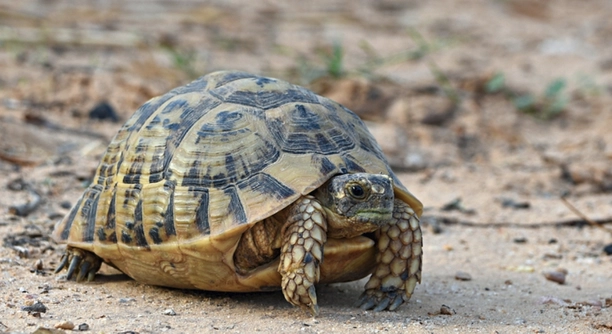
Russian tortoises are known for their unique behaviors, including digging. However, if your tortoise is digging but not burying itself, there may be a specific reason for this action that is worth investigating.
The primary reason a Russian tortoise digs without burying itself could be due to environmental factors, such as stress, temperature, or an inadequate habitat. Tortoises dig to find a comfortable space, but they may not always bury themselves.
Understanding why your tortoise behaves this way can help improve its environment. By ensuring proper conditions, you can promote a healthier, happier pet.
Understanding Your Russian Tortoise’s Behavior
Russian tortoises are naturally curious creatures, and digging is a typical part of their behavior. However, when they dig but don’t bury themselves, it can raise concerns for pet owners. Several factors could contribute to this, from their habitat to emotional stress. Understanding the cause is essential for ensuring that your tortoise remains healthy and comfortable.
If your tortoise isn’t burying itself after digging, it’s possible that the environment isn’t suitable for the behavior. Tortoises usually dig to create a space that provides the right temperature or moisture levels. If these factors are off, they might dig but not complete the process.
To help your tortoise feel more comfortable, check the temperature and humidity in its enclosure. Russian tortoises prefer temperatures between 75°F and 85°F. They also require a dry environment, but some moisture may be needed to prevent dehydration. By providing these conditions, you can help reduce unnecessary digging behaviors. Ensure the substrate is deep enough for them to dig comfortably, as they may be searching for a cool spot to rest.
Environmental Factors Affecting Digging Behavior
The environment plays a major role in how a Russian tortoise behaves. If the enclosure is too hot or too cold, it can lead to abnormal digging. Tortoises dig to regulate their body temperature, so the setup needs to support this natural instinct.
Ensure your tortoise has access to both a warm and cool area. Providing a heat lamp on one side and a cooler, shaded spot on the other creates a temperature gradient. This allows your tortoise to choose the area that best suits its needs. The humidity levels also matter—too high or too low can make your tortoise uncomfortable. Check these factors and adjust them as necessary.
A proper habitat setup can encourage your tortoise to engage in natural behaviors. Make sure your tortoise’s enclosure isn’t too small, as this can cause stress and lead to excessive digging. A spacious area with plenty of room to roam and explore helps reduce anxiety and unnecessary digging. Consider adding a few hiding spots to make the tortoise feel secure.
Stress and Anxiety in Russian Tortoises
Stress can trigger unusual behavior, such as digging without burying. A sudden change in the environment or a new addition to the household can cause anxiety in a Russian tortoise. They often dig to seek comfort and security.
If your tortoise is feeling stressed, try to minimize changes to its surroundings. Too much noise or frequent handling can also cause anxiety. It’s important to give your tortoise time to adjust to any new circumstances in its environment. Providing a consistent, calm space will help alleviate unnecessary digging.
The Role of Diet in Digging Behavior
A poor diet can affect your tortoise’s behavior, including excessive digging. If your tortoise is not getting the right nutrients, it may dig to relieve discomfort. Make sure its diet includes a variety of leafy greens, vegetables, and the occasional fruit.
Adding calcium and vitamin D supplements may also improve your tortoise’s health, supporting bone strength and overall well-being. Over time, this could reduce the stress that might be causing the digging behavior. It’s important to feed your tortoise in a consistent manner and avoid overfeeding to keep its weight in check.
Substrate and Digging Preferences
The substrate used in your tortoise’s enclosure is a key factor. If it’s too soft, too hard, or too dry, it may affect how your tortoise digs. Ensure the substrate is deep enough to allow for natural digging behavior without being uncomfortable.
Provide a mix of materials that your tortoise can comfortably dig through, such as coconut coir, organic soil, or sand. It should mimic natural conditions and retain moisture while remaining easy to burrow in. Make sure to clean the substrate regularly to avoid bacterial buildup, as this could affect your tortoise’s health.
FAQ
Why does my Russian tortoise dig so much?
Tortoises dig as a natural behavior, mainly to regulate their body temperature and find a comfortable spot. It can also be a way to explore their environment. Digging can be an instinctual response to environmental changes or stress. Providing a proper temperature gradient and a secure, calm environment can help reduce excessive digging.
Can digging be a sign of illness in my Russian tortoise?
While digging is a normal behavior, excessive digging combined with other signs, like loss of appetite or lethargy, may indicate a health issue. If your tortoise digs continuously and shows other symptoms, it’s important to consult a veterinarian. Illnesses or discomfort can sometimes cause tortoises to dig more than usual.
How deep should the substrate be for my Russian tortoise?
The substrate should be deep enough for your tortoise to dig comfortably. Aim for at least 4–6 inches of substrate. This allows your tortoise to engage in natural digging behaviors like burrowing to regulate its temperature. If the substrate is too shallow, your tortoise may not feel secure or may dig excessively.
Can temperature affect my tortoise’s digging behavior?
Yes, temperature plays a significant role in your tortoise’s digging behavior. If the enclosure is too hot or too cold, your tortoise may dig to find a more comfortable spot. It’s important to maintain a temperature range between 75°F and 85°F. Providing both a warm and cool area allows your tortoise to regulate its body temperature properly.
Should I worry if my tortoise is digging but not burying itself?
If your tortoise is digging but not burying itself, it may be searching for a comfortable spot or may be stressed. As long as the behavior doesn’t seem excessive and your tortoise isn’t showing signs of illness, it’s likely just normal digging behavior. Check the temperature and humidity of the enclosure to ensure it’s suitable for your tortoise’s needs.
What should I do if my Russian tortoise is stressed and digging?
If your tortoise is stressed, try to identify the cause. Stress can be caused by environmental changes, such as moving to a new enclosure, loud noises, or handling. Minimize any disturbances and ensure your tortoise has a secure, quiet space. It’s also important to check if your tortoise’s diet is balanced and its habitat is comfortable. Stress management often involves creating a calm and stable environment for your pet.
How often should I change the substrate in my Russian tortoise’s enclosure?
It’s essential to change the substrate regularly to maintain a clean and healthy environment. Depending on the type of substrate used, you should change it every 1–2 months or sooner if it becomes soiled. Regular cleaning helps prevent bacteria build-up, which can lead to health issues for your tortoise.
Can I use sand as the substrate for my Russian tortoise?
Sand can be used in moderation, but it’s not ideal on its own. Sand alone can be too dry and doesn’t retain moisture well. A mix of sand with other materials like coconut coir or soil is better for your tortoise. It allows for easier digging while still providing the right moisture balance.
How can I tell if my tortoise is unhappy with its habitat?
Signs that your tortoise may be unhappy with its habitat include excessive digging, lethargy, lack of appetite, or hiding more than usual. These behaviors might indicate that something is wrong with the environment, such as incorrect temperature or humidity. Assess the enclosure and make sure it meets your tortoise’s needs.
What is the best diet for a Russian tortoise?
Russian tortoises require a high-fiber diet that includes leafy greens, grasses, and vegetables. Offer a variety of greens such as dandelion leaves, collard greens, and kale. Limit fruits to occasional treats. Providing calcium and vitamin D supplements is also important to support bone health.
Can I handle my tortoise while it’s digging?
It’s best to avoid handling your tortoise when it’s digging. Digging is a natural behavior, and interfering with it may cause stress. Let your tortoise dig at its own pace, and only handle it when it seems calm and not engaged in digging. Over-handling can lead to stress and behavioral issues.
How do I create a comfortable habitat for my Russian tortoise?
To create a comfortable habitat, ensure your tortoise has plenty of space to roam and dig. Use a substrate that is deep enough for digging, such as a mix of soil, coconut coir, and sand. Provide both warm and cool areas within the enclosure for temperature regulation. Maintain a consistent temperature of 75°F to 85°F and a humidity level of around 40%. Include hiding spots and climbing areas for enrichment.
Final Thoughts
Understanding why your Russian tortoise is digging but not burying itself can help you make informed decisions about its care. Digging is a natural behavior for tortoises, often related to temperature regulation, comfort, or exploring their environment. However, when this behavior becomes excessive or is paired with other symptoms, it may point to underlying issues, such as stress or an inappropriate habitat. It’s important to monitor your tortoise’s overall health and well-being to ensure that it’s thriving in its environment.
Maintaining the right conditions in your tortoise’s enclosure is essential. Ensure that the temperature is suitable, providing a gradient between warmer and cooler areas. The substrate should be deep enough for digging, but also comfortable and safe for your tortoise. Regularly checking on the humidity and cleanliness of the enclosure can also help maintain a stress-free habitat. A consistent routine and environment are key to reducing anxiety or any other behaviors related to discomfort. Providing proper nutrition is also important for your tortoise’s overall health, which can impact its behavior.
If you notice that your Russian tortoise’s digging becomes extreme or is accompanied by signs of illness or distress, it’s worth considering a visit to a veterinarian. Stress, illness, or an unbalanced diet can contribute to this behavior. However, in many cases, a few adjustments to its environment and routine can lead to positive changes. Ultimately, providing a calm, secure, and suitable habitat is the best way to support your tortoise’s natural behaviors while ensuring its well-being.

Hello,
If you enjoy the content that we create, please consider saying a "Thank You!" by leaving a tip.
Every little bit helps us continue crafting quality advice that supports the health, happiness, and well-being of pets around the world, for pets of all shapes, sizes, and species.
We really appreciate the kindness and support that you show us!