
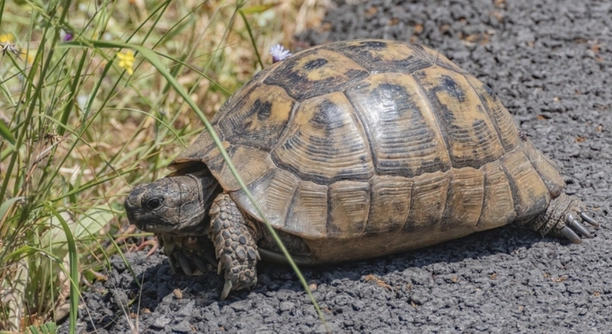
A Russian tortoise chewing on its hide can be concerning for owners. Understanding why this behavior occurs is essential for their well-being and for maintaining a healthy environment. There are several factors that might explain this habit.
The main reason your Russian tortoise chews on its hide is due to stress, boredom, or improper habitat conditions. Insufficient space, inadequate temperature, or lack of stimulation can all contribute to this repetitive behavior. It is important to address these factors.
Addressing these issues can improve your tortoise’s overall health and comfort. Proper environmental adjustments can help reduce chewing and encourage more natural behaviors.
Stress and Boredom Can Trigger Chewing
Tortoises are naturally curious animals, but when they are stressed or bored, they may chew on anything within reach. If they don’t have enough room to explore, or if their environment lacks the right stimuli, they might start chewing on their hide. This behavior can quickly become a habit if not addressed. Ensuring your tortoise’s space is enriched with hiding spots, climbing structures, and objects to interact with can reduce their stress levels. A lack of variety in their surroundings can leave them feeling frustrated, leading to unnecessary chewing.
It’s important to recognize when your tortoise is feeling trapped or overwhelmed. This behavior can be a cry for more engaging activities or an indication that their space needs improvement. Making these changes will likely decrease the chewing.
A stressed tortoise may also exhibit other signs such as excessive burrowing, pacing, or a decrease in eating. These behaviors should not be ignored, as they are often signals that their environment needs attention. By making small adjustments, you can help create a more comfortable and less stressful environment for your pet.
Inadequate Temperature Conditions
The temperature in your tortoise’s habitat plays a crucial role in their well-being. If the enclosure is too cold or too hot, it can lead to restlessness and chewing. Russian tortoises are sensitive to temperature fluctuations, and an improperly heated space may lead to stress. It is essential to maintain a consistent temperature that mimics their natural environment.
A good rule of thumb is to provide a basking area where the temperature is around 90°F, while the rest of the habitat should be cooler, around 70°F. This temperature gradient will allow your tortoise to regulate its body temperature effectively, which is essential for its health. If your tortoise’s enclosure lacks this gradient, it may result in stress, making them more likely to chew on anything available.
To address this, invest in a reliable thermostat and heating lamp. You can also monitor the temperature with a thermometer to ensure your tortoise’s space is set up properly. With the right heating and temperature regulation, your tortoise will feel more secure and less inclined to engage in repetitive behaviors such as chewing.
Lack of Mental Stimulation
Russian tortoises need mental stimulation to thrive. Without enrichment, they can become restless and resort to chewing. Providing items that encourage natural behaviors, such as foraging toys or hideouts, can keep their minds active. When bored, your tortoise may chew to pass the time.
Offering new textures, scents, and objects for your tortoise to explore can help break up the monotony of their environment. Try rotating objects in their enclosure regularly to keep things interesting. Items like shallow water dishes, leafy plants, or branches can give them more to interact with. This encourages their natural instincts to investigate and search for food, keeping their minds engaged.
If your tortoise seems fixated on chewing, consider giving them something safe to gnaw on, like untreated wood. This can serve as a distraction and provide an outlet for their energy. Adding stimulating toys, along with safe chewing options, can reduce stress and help avoid destructive behaviors.
Improper Hide Setup
Your tortoise’s hide should feel safe and secure, not just a place to retreat. If the hide is too small or doesn’t offer enough shelter, your tortoise may chew out of frustration or a need for more comfort. A hide that fits them comfortably gives them the peace of mind they need.
Make sure the hide is large enough for your tortoise to move around in and provides a dark, quiet space. This helps them feel secure and less stressed, which can prevent them from chewing on the hide itself. A poorly designed hide may leave them feeling exposed and uncomfortable, which increases the chances of unwanted behaviors.
Consider placing the hide in an area that’s not directly in their line of sight from the rest of the enclosure. This allows your tortoise to feel safe and reduces the temptation to chew. If they have a peaceful place to retreat to, they will be less likely to engage in repetitive, destructive behavior.
Overcrowded Enclosure
An overcrowded enclosure can contribute to stress and lead to unwanted behaviors like chewing. If your tortoise doesn’t have enough space to roam, it may feel trapped and start chewing on objects out of frustration. Ensure your tortoise has room to move freely.
By offering a larger space, your tortoise can engage in natural behaviors such as exploring, foraging, and basking without feeling confined. This reduces stress and decreases the chances of chewing. If your tortoise’s enclosure is too small, consider upgrading to a bigger one with more space to roam.
Inadequate Diet
Your tortoise’s diet plays a significant role in its overall health and behavior. If they are not getting the nutrients they need, they may chew on objects to satisfy a deficiency. Ensure they are eating a balanced diet full of leafy greens, fiber, and essential vitamins.
A lack of proper nutrients can cause your tortoise to feel restless and unsatisfied, which can lead to chewing. Adding variety to their meals and providing fresh vegetables and calcium-rich foods can help prevent this behavior. When well-fed, they are less likely to engage in destructive habits like chewing.
Health Concerns
If your tortoise is chewing more than usual, it could be a sign of underlying health issues. Dental problems, digestive discomfort, or even parasites can cause unusual chewing behaviors. If other symptoms like weight loss or lethargy are present, consult a vet.
FAQ
Why does my Russian tortoise chew on its hide?
Chewing on its hide is often a sign of stress, boredom, or discomfort. Tortoises need a secure and enriched environment to prevent this behavior. If they are feeling cramped, unstimulated, or exposed, they may chew as a way of coping with their emotions. Ensuring your tortoise has enough space, a comfortable hide, and items to engage with will help reduce the chewing.
How can I stop my tortoise from chewing on its hide?
Start by addressing the factors causing stress. Ensure that the habitat is large enough and that it includes hiding spots, climbing objects, and a proper temperature gradient. Regularly rotate objects in their space to keep them engaged. Providing safe chewing alternatives, such as untreated wood, can also help.
Can temperature affect my tortoise’s chewing behavior?
Yes, improper temperature can lead to stress. Russian tortoises are sensitive to temperature fluctuations. If their habitat is too hot or cold, they may become anxious and start chewing. Maintaining a consistent temperature range with a basking spot and cooler areas will help keep your tortoise comfortable and reduce stress-related behaviors.
What should I feed my Russian tortoise to prevent chewing?
A balanced diet is crucial for your tortoise’s health. Offer a variety of leafy greens, vegetables, and fiber-rich foods. A proper diet helps prevent nutrient deficiencies, which can lead to stress or chewing. Ensure that the diet also includes calcium for strong bones and healthy shell growth.
Is my tortoise chewing because of a medical issue?
Sometimes, excessive chewing can be a sign of underlying health problems. If your tortoise is chewing more than usual, it could be related to dental issues, gastrointestinal discomfort, or parasites. Observe for other signs like lethargy, changes in appetite, or abnormal stool. If these occur, consult a vet for a thorough checkup.
How do I make my tortoise’s hide more comfortable?
The hide should be large enough for your tortoise to move around in comfortably. It should provide a dark, secure area where they can retreat when feeling stressed. Make sure it’s placed in a quiet part of the enclosure and away from excessive light. A comfortable hide will reduce anxiety and discourage chewing on it.
Can boredom cause my tortoise to chew on things?
Boredom is one of the leading causes of repetitive chewing. Russian tortoises are naturally curious and need mental stimulation to stay healthy. Without enough to do, they may chew on their environment to relieve boredom. Providing enrichment items, such as toys or foraging opportunities, will help keep their minds active and reduce chewing behavior.
How can I enrich my tortoise’s habitat to prevent chewing?
Enrich your tortoise’s space by adding various textures, climbing structures, and natural hiding spots. You can also rotate the items in their enclosure regularly to keep things fresh. Incorporate plants and branches for your tortoise to explore, climb, and interact with. These activities will help satisfy their natural instincts and reduce unwanted chewing.
Is it okay to let my tortoise chew on wooden objects?
Yes, providing safe, untreated wood for your tortoise to chew on can actually be beneficial. It helps wear down their teeth and provides mental stimulation. Just make sure the wood is free from harmful chemicals and is not treated with pesticides or other toxins. You can also give them natural materials, like hay or grass, to chew on.
How do I know if my tortoise is stressed?
Signs of stress in a tortoise include excessive chewing, pacing, loss of appetite, or hiding more than usual. They may also stop eating or become more aggressive. If you notice these behaviors, check their habitat for any issues such as overcrowding, poor temperature regulation, or lack of enrichment.
Can a too-small enclosure cause my tortoise to chew?
Yes, a cramped living space can lead to stress and chewing. Russian tortoises need enough space to move around freely, explore, and bask. A small enclosure can cause frustration and lead to abnormal behaviors like chewing. Make sure your tortoise has adequate space, at least 4 square feet of floor space per tortoise.
Why is my tortoise chewing on its enclosure?
Tortoises may chew on the walls of their enclosure when they feel trapped, stressed, or bored. This can be a result of insufficient space or lack of stimulation. Providing more room and enriching their environment with safe objects to interact with will reduce this behavior.
Can Russian tortoises chew on plants in their enclosure?
Yes, Russian tortoises can chew on plants, and some plants are actually beneficial to them. However, not all plants are safe. Ensure that the plants you provide are non-toxic and safe for tortoises to eat. Leafy greens, dandelions, and clover are good options for safe plant material.
Should I remove the objects my tortoise is chewing on?
If your tortoise is chewing on inappropriate objects, it’s important to remove them and replace them with safer alternatives. However, if your tortoise is chewing on safe, natural items, such as wood or plants, it’s generally fine to let them continue. Ensure that any objects they chew on are not harmful to their health.
How often should I change my tortoise’s environment to reduce chewing?
Changing up your tortoise’s environment every few weeks can help keep them engaged. Rotating toys, hides, and climbing structures helps reduce boredom and encourages natural exploration. Additionally, rearranging the enclosure can mimic a more natural environment, which is beneficial for your tortoise’s well-being.
Is it normal for a Russian tortoise to chew on its shell?
Chewing on its shell is not typical. If you notice your tortoise chewing on its own shell, it may be due to stress, poor nutrition, or a medical issue. Ensure your tortoise’s diet is balanced, their habitat is enriched, and their temperature is regulated properly. If the behavior persists, consult a vet.
Final Thoughts
Understanding why your Russian tortoise chews on its hide is important for addressing the issue effectively. It often stems from stress, boredom, or an uncomfortable environment. Ensuring your tortoise has enough space, proper temperature, and suitable hiding spots can make a big difference. Additionally, providing enrichment through toys, plants, and safe chewing alternatives can help ease their anxiety and reduce unwanted chewing. It’s crucial to create a habitat where your tortoise feels secure, engaged, and comfortable. Regularly checking on their behavior and making necessary adjustments will keep your tortoise happy and healthy.
If you notice that your tortoise is still chewing excessively despite providing the right conditions, it might be time to consult a vet. While chewing can be a natural behavior, it can sometimes signal underlying health issues or nutrient deficiencies. A checkup will help rule out any medical problems and give you peace of mind. Additionally, maintaining a consistent diet with adequate calcium and fiber can help prevent any dietary issues that may contribute to this behavior. Regularly monitoring your tortoise’s habits will also help you spot any changes in behavior early, allowing you to address problems before they become more serious.
In conclusion, addressing chewing behavior in Russian tortoises requires a combination of creating the right environment, offering plenty of stimulation, and ensuring their health is in check. With the right adjustments, you can reduce their chewing habits and provide a more fulfilling life for your tortoise. Keep an eye on their well-being and make any necessary changes to ensure they are comfortable and happy in their habitat. By understanding their needs and responding to them appropriately, you can ensure your tortoise thrives.

Hello,
If you enjoy the content that we create, please consider saying a "Thank You!" by leaving a tip.
Every little bit helps us continue crafting quality advice that supports the health, happiness, and well-being of pets around the world, for pets of all shapes, sizes, and species.
We really appreciate the kindness and support that you show us!