
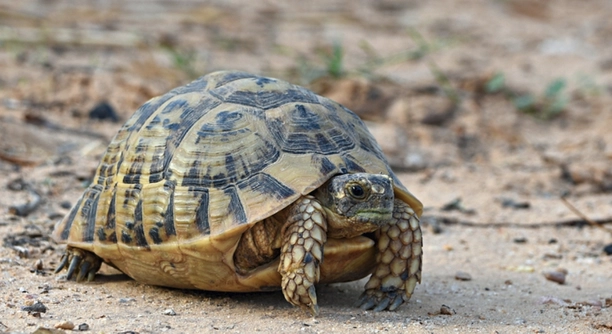
A Russian tortoise’s breathing pattern can provide valuable insight into its health. If you’ve noticed heavy breathing, it’s important to observe other symptoms to determine the cause and ensure your tortoise’s well-being.
Heavy breathing in Russian tortoises can be caused by several factors, including stress, respiratory infections, or environmental issues such as improper humidity and temperature levels. Ensuring optimal living conditions and monitoring for other symptoms can help diagnose the problem.
Understanding the reasons behind your tortoise’s heavy breathing will help you take the necessary steps to ensure its comfort and health. Let’s explore what might be causing this concern and how you can address it.
Common Causes of Heavy Breathing in Russian Tortoises
Heavy breathing in your Russian tortoise could indicate several different issues. Stress is one of the most common causes. If your tortoise is in an unfamiliar environment or feels threatened, it might start breathing more heavily. Changes in its surroundings, such as moving to a new enclosure or loud noises, can trigger this response. In addition, poor environmental conditions like incorrect humidity or temperature can also cause stress. If the temperature is too cold or too hot, your tortoise may struggle to breathe properly.
Environmental stress can be easily adjusted by ensuring the habitat is ideal. Make sure the temperature is between 75°F to 85°F during the day and a bit cooler at night. Humidity should be kept at around 50% to 60% to prevent respiratory problems.
While stress and environmental changes are common reasons, they are not always the issue. If these factors have been ruled out and your tortoise still breathes heavily, there could be an underlying health problem. Respiratory infections are a real concern for tortoises. These can occur if the humidity is too high, or if there is poor ventilation in the habitat. Signs of respiratory infections include wheezing, nasal discharge, and lethargy. These infections can be dangerous and should be addressed by a vet as soon as possible.
Other Health Issues to Watch For
If your tortoise is still breathing heavily, you may want to check for other health issues. Respiratory infections often lead to additional symptoms like nasal discharge or wheezing.
Taking quick action when you notice heavy breathing is important. This can prevent a more serious condition from developing.
Temperature and Humidity Problems
Inadequate temperature and humidity levels can severely affect your Russian tortoise’s breathing. Too much moisture or a lack of it can cause breathing issues, making it hard for your tortoise to regulate itself properly. It’s crucial to maintain a balanced environment.
The right humidity helps to prevent infections and respiratory issues. Too little humidity can cause the tortoise to struggle in breathing, while excess moisture can encourage bacteria and fungi growth. Ideally, keep the humidity levels between 50% and 60%. A hygrometer is helpful for monitoring this.
Similarly, the temperature plays a big role in keeping your tortoise comfortable. If the tank is too cold, your tortoise’s metabolism and breathing rate can slow down, leading to respiratory issues. Use a reliable thermostat to keep the temperature consistent, especially during colder months.
Stress and Anxiety in Tortoises
Tortoises are sensitive creatures, and stress can impact their breathing patterns. If your tortoise feels threatened or stressed, it might breathe more heavily as a response to anxiety. Frequent handling or sudden changes to its surroundings can cause this.
Maintaining a calm environment is key to reducing stress. Avoid placing your tortoise near loud noises, bright lights, or other pets that may cause distress. Allow your tortoise to have a quiet, secure area where it feels safe and unthreatened. Also, be mindful of how often you handle your tortoise, as excessive handling can make it anxious and affect its breathing.
Poor Diet and Dehydration
An improper diet or dehydration can also lead to heavy breathing in your tortoise. A lack of essential nutrients weakens the immune system, making it more prone to infections and other health issues. Keeping your tortoise hydrated is just as important.
Offer a varied diet with leafy greens, vegetables, and small amounts of fruit. Providing enough water is crucial too, as dehydration can lead to severe health problems. Make sure fresh water is always available and offer foods that help with hydration. A healthy diet helps maintain a strong respiratory system, preventing stress on the body.
Respiratory Infections
Respiratory infections are common in tortoises, especially when environmental conditions aren’t ideal. These infections often show symptoms like wheezing, nasal discharge, and heavy breathing. If untreated, they can worsen, leading to more serious health concerns.
It’s essential to recognize the early signs of a respiratory infection, so you can act quickly. If you notice discharge from the nostrils or any unusual sounds when your tortoise breathes, take them to the vet. With prompt care, most respiratory infections can be treated with antibiotics, allowing your tortoise to recover fully.
Physical Injury or Trauma
If your tortoise has suffered an injury or trauma, it might show signs of heavy breathing. Injuries can lead to stress, pain, or even internal issues that affect their breathing patterns. Always keep an eye on their behavior after any accidents or falls.
FAQ
What are the signs that my Russian tortoise has a respiratory infection?
The most common signs of a respiratory infection in your Russian tortoise are wheezing, nasal discharge, and heavy breathing. You may also notice that your tortoise becomes lethargic or loses its appetite. These symptoms should be addressed quickly, as untreated respiratory infections can become severe.
How can I prevent my tortoise from getting stressed?
To prevent stress, create a calm and quiet environment for your tortoise. Avoid sudden changes to its habitat and keep it away from loud noises, bright lights, or other pets that might cause anxiety. Limiting handling also helps, as frequent handling can make tortoises feel threatened.
What temperature should I keep my Russian tortoise’s enclosure?
Maintain a temperature range of 75°F to 85°F during the day, and let it drop slightly at night to around 70°F. It’s essential to have a heat source, such as a heat lamp, to provide a warm basking area. A consistent temperature helps your tortoise regulate its body functions and prevents respiratory stress.
What is the ideal humidity level for my tortoise?
The humidity should be kept at around 50% to 60% to avoid respiratory issues. Too much moisture can encourage bacterial growth, while too little can lead to dehydration or difficulty breathing. Use a hygrometer to monitor humidity levels and adjust as needed.
Can dehydration affect my tortoise’s breathing?
Yes, dehydration can cause various health problems, including difficulty breathing. A dehydrated tortoise may appear sluggish, and its breathing may become heavier. Always provide fresh water and offer hydrating foods such as leafy greens to prevent dehydration.
How do I know if my tortoise is overheated?
Signs of overheating include heavy breathing, lethargy, and seeking cooler areas of its enclosure. If your tortoise is breathing heavily and appears stressed, it may be too hot. Adjust the temperature in its habitat to a comfortable range of 75°F to 85°F during the day.
Can my tortoise breathe through its mouth?
Tortoises primarily breathe through their nostrils. However, if they are struggling with heavy breathing or respiratory issues, they may begin to breathe through their mouth. This is a sign that they are having difficulty getting enough air and may require veterinary attention.
What should I do if my tortoise stops eating?
A loss of appetite in your tortoise can be a sign of stress, illness, or an environmental issue. Ensure that the habitat conditions are ideal, such as proper temperature and humidity levels. If the problem persists, visit a vet to rule out illness or infections.
How often should I clean my tortoise’s enclosure?
It’s essential to clean your tortoise’s enclosure regularly to prevent bacterial growth and maintain a healthy environment. Spot clean the habitat daily, removing waste and uneaten food. A more thorough cleaning, including disinfecting, should be done every two to four weeks.
Can my tortoise breathe heavily after exercise?
It’s normal for your tortoise to breathe more heavily after physical activity, as it’s trying to regulate its body temperature and oxygen intake. However, if the heavy breathing continues long after exercise, it could indicate an underlying health problem that requires attention.
How do I check for signs of injury in my tortoise?
Look for any swelling, bruising, or signs of limping in your tortoise. It may also exhibit heavy breathing or avoid moving. If you suspect an injury, handle your tortoise gently and take it to a vet for further evaluation. Injuries can cause pain, which may affect its breathing.
Is it safe to handle my tortoise when it’s breathing heavily?
It’s best to minimize handling if your tortoise is breathing heavily, as this could stress it further. Allow it to rest in a quiet, comfortable environment. If the heavy breathing persists, consult with a vet for advice and possible treatment.
How long does it take for a tortoise to recover from a respiratory infection?
The recovery time from a respiratory infection can vary, depending on the severity of the infection and how quickly it is treated. With proper care, most tortoises will start to recover within a few days to a week, but it’s crucial to follow your vet’s instructions for full recovery.
Final Thoughts
Heavy breathing in your Russian tortoise can be concerning, but it’s important to remember that it can be caused by various factors. From environmental stressors like temperature and humidity to more serious health issues such as respiratory infections or dehydration, pinpointing the exact cause requires careful observation. If you notice any signs of distress, such as wheezing, lethargy, or a loss of appetite, it’s crucial to assess your tortoise’s habitat and behavior closely. These signs often indicate that something isn’t quite right and should not be ignored.
If your tortoise is breathing heavily and you’ve ruled out basic environmental issues, it’s time to consider more serious possibilities like respiratory infections. These infections can worsen quickly if not addressed, so prompt action is essential. Make sure your tortoise is receiving a balanced diet, enough water, and that its enclosure conditions are optimal. Additionally, regular health check-ups with a veterinarian can help catch underlying health problems early. The sooner you act, the better the chances for a full recovery.
Taking the time to understand your tortoise’s needs and recognizing changes in its behavior can help you provide better care. Whether it’s adjusting the habitat to meet its needs or seeking veterinary help, addressing any signs of distress promptly can make a huge difference in your tortoise’s well-being. Keeping a close eye on their behavior and health ensures that they live a long, healthy life in your care.

Hello,
If you enjoy the content that we create, please consider saying a "Thank You!" by leaving a tip.
Every little bit helps us continue crafting quality advice that supports the health, happiness, and well-being of pets around the world, for pets of all shapes, sizes, and species.
We really appreciate the kindness and support that you show us!