
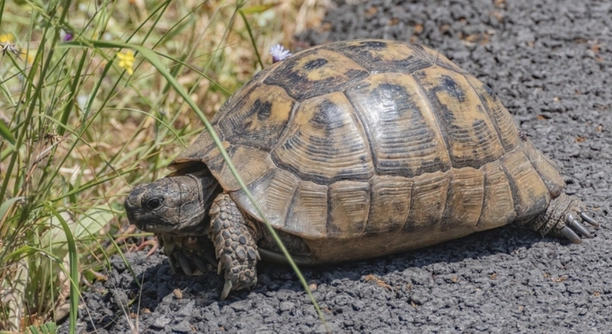
If your Russian tortoise is avoiding its favorite food, it can be worrying. Tortoises, just like us, can sometimes refuse food for different reasons, and it’s important to understand why this might be happening.
A common reason why a Russian tortoise avoids its favorite food could be due to environmental stress, changes in diet, or health issues. Any alterations in their habitat, such as temperature fluctuations or incorrect lighting, may reduce their appetite.
The good news is that addressing the situation is possible, and understanding the root causes will help keep your tortoise healthy and happy. Let’s explore why your tortoise may be turning away from its food.
Stress and Environmental Changes
Russian tortoises are sensitive to changes in their environment. If there’s been any recent shift, like a new enclosure, a move to a different spot, or changes in temperature or lighting, your tortoise might be stressed. Stress can lead to a loss of appetite. Tortoises rely on a stable environment to feel secure enough to eat. If the temperature is too cold or too hot, their metabolism can slow down, and they may become lethargic. Similarly, improper lighting, like inadequate UVB light, can also affect their overall health, causing them to refuse food.
Even small changes, like a new smell or noise, might cause your tortoise to feel uneasy. Over time, they’ll usually adjust, but it can take a little while for them to get comfortable again. You may need to give them time to settle in.
In some cases, stress might also stem from too much handling. While it’s tempting to interact with your pet frequently, sometimes less is more. Tortoises like their space, and constant touching might leave them feeling overwhelmed. It’s best to allow them some time alone to adapt and regain their appetite.
Health Issues and Diet
If your tortoise is still avoiding food, it could be related to health issues. Illnesses, such as respiratory infections or parasites, can cause them to feel unwell and lose interest in eating. Even dental issues, like overgrown beaks or mouths that are difficult to open, can interfere with their ability to eat comfortably.
When it comes to diet, it’s essential to make sure you’re offering a variety of fresh, nutrient-rich foods. Too much of the same thing, or food that’s too dry, can cause a loss of interest. Tortoises need a balanced diet that includes leafy greens, grasses, and occasional fruits or vegetables to stay healthy. A lack of variety might make them turn away from their favorites.
Checking for signs of health issues, such as abnormal behavior, runny eyes, or difficulty breathing, is important. If you notice anything out of the ordinary, it’s best to consult with a vet who specializes in reptiles. Early detection can prevent more serious issues down the line.
Offering Variety and Motivation
Changing things up a bit might encourage your tortoise to eat. If you’ve been offering the same foods for a while, consider adding some variety. Tortoises, like us, appreciate different textures and tastes. Offering a mix of leafy greens, such as dandelion, collard greens, or mustard greens, can entice them to eat. You might also want to try adding edible flowers, like hibiscus, or a bit of shredded carrot for a new texture. Fresh food is more appealing than older, dried-out options, so be sure to change out their food regularly.
Sometimes, offering food at different times of the day might spark their interest. Tortoises tend to be more active during specific parts of the day, so you may find that they prefer eating in the morning or evening. Pay attention to when your tortoise is most active to ensure the food is available at the right time.
Changing the way you present their food can also make a difference. Try placing it in different areas of the enclosure, making them explore a little to find their meal. This can mimic the foraging behaviors they would experience in the wild. Even a small change in how their food is offered can motivate them to eat.
Lack of Exercise or Overfeeding
Lack of exercise or overfeeding can also lead to a loss of appetite in your tortoise. Tortoises need space to roam and explore to stay healthy. If they’re kept in too small of a space without much room to move, they may become less active, which can affect their appetite. They might become sedentary and uninterested in food if they’re not given the chance to exercise regularly.
Overfeeding can be just as problematic. Giving your tortoise too much food, especially high-calcium vegetables or fruits, can lead to a loss of appetite. Overeating can make them feel sluggish or full, causing them to avoid meals. It’s important to provide the right portions based on their size and activity level. If your tortoise is overweight or underweight, adjusting their diet and ensuring they get enough exercise can help restore their healthy eating habits.
Ensuring that your tortoise has the proper environment to move freely and that they’re eating the right amount will encourage them to return to their normal eating habits. Keep an eye on both the amount of food and their exercise routine.
Incorrect Temperature or Lighting
Temperature and lighting play a significant role in a tortoise’s appetite. If the basking spot is too cold, your tortoise may not feel comfortable enough to eat. Similarly, if it’s too hot, they might become sluggish and less interested in food. Maintaining a proper temperature gradient within their enclosure is vital. Ensure that the basking area is around 90°F (32°C) and the cooler side is about 75°F (24°C).
The right lighting is equally important. UVB light helps your tortoise synthesize vitamin D3, which is essential for calcium absorption. Without it, they may become lethargic or lose interest in food. Use a high-quality UVB bulb and replace it every 6 months to ensure its effectiveness. Keeping the lighting consistent and balanced will encourage your tortoise to eat more regularly.
If the temperature or lighting is off, they may be uncomfortable and avoid food. Take some time to check these conditions regularly, making adjustments to ensure your tortoise feels at ease. If needed, invest in a thermometer or timer for the lights to maintain stable conditions.
Changes in Feeding Routine
If you’ve recently changed your tortoise’s feeding routine, this could be the reason they’re not eating. Tortoises, like many pets, can be creatures of habit. Any change, whether it’s in the timing, type, or presentation of food, might cause them to avoid eating. It’s important to stick to a regular feeding schedule so your tortoise knows when to expect food.
Changing food types too frequently can also throw them off. Tortoises prefer consistency in their diet. If you constantly swap what they’re eating, it might take them longer to adjust. Stick to offering a variety of safe, healthy foods, but try not to drastically change what they’re used to.
By establishing a routine, you create a sense of predictability, which can encourage them to eat more. Try to avoid changing things too suddenly and give them time to adjust to any new additions or changes in their food schedule. This way, your tortoise can feel comfortable eating again.
Overhandling and Stress
Excessive handling or disruptions can stress your tortoise and cause them to stop eating. While it’s tempting to spend a lot of time with your pet, constant handling can make them feel threatened or overwhelmed. If your tortoise is frequently picked up or moved around, they might feel insecure or anxious, affecting their appetite.
Tortoises are more likely to eat when they feel safe in their environment. It’s important to give them plenty of space and avoid unnecessary handling. Let them interact with their surroundings on their own terms. Keeping a calm and quiet atmosphere around their enclosure can help reduce stress.
A stressed tortoise may also show other signs of discomfort, such as hiding more than usual. Observing their behavior closely will help you identify if they’re feeling stressed. Adjusting your interactions with them can lead to a happier tortoise and more consistent eating habits.
Incorrect Food Choices
Offering foods that are not suitable for your tortoise can lead to them avoiding meals. Some foods may be too high in moisture or sugar, which can upset their digestion. Stick to leafy greens, grasses, and a variety of safe vegetables to meet their nutritional needs.
It’s also important to avoid feeding your tortoise foods that are toxic to them. Certain plants, like rhubarb, are harmful to tortoises. Research which foods are safe and healthy for them, as introducing unfamiliar or unsafe foods can make them lose interest in eating altogether. Always double-check what you’re offering.
Hydration Issues
Tortoises may refuse food if they are dehydrated. Proper hydration is essential for digestion and overall health. If your tortoise isn’t drinking water regularly, it could be a sign they need more hydration.
To encourage drinking, try offering water in different containers or even soaking your tortoise in shallow, warm water for a few minutes. It’s important to make sure they’re drinking enough each day. Keeping their water clean and fresh will also help motivate them to hydrate, ensuring they feel comfortable enough to eat.
Why is my Russian tortoise not eating its food?
There could be several reasons why your Russian tortoise isn’t eating. Stress from environmental changes, like a new enclosure or incorrect temperature, is a common cause. Health issues, such as respiratory infections or parasites, can also lead to a lack of appetite. Additionally, factors like overfeeding, poor diet choices, or a lack of exercise may also discourage your tortoise from eating. It’s essential to ensure the environment is stable and that they’re not dealing with any illnesses.
How can I tell if my tortoise is sick?
Signs of illness in a tortoise can be subtle. Look for changes in behavior, such as increased lethargy or hiding more than usual. A runny nose, abnormal breathing, or swelling around the eyes can indicate a respiratory infection. If your tortoise is refusing food, showing difficulty moving, or has visible sores or discolored skin, these could also be signs of illness. It’s best to consult a vet if you notice any of these symptoms.
How often should I feed my Russian tortoise?
Russian tortoises should typically be fed every day or every other day, depending on their age and activity level. Juveniles may need food more frequently, while adults can be fed every other day. Ensure they have access to a variety of leafy greens, grasses, and occasional vegetables. Avoid overfeeding and always remove uneaten food after a few hours to prevent spoilage. A balanced feeding routine will help keep your tortoise healthy and active.
Can stress affect my tortoise’s appetite?
Yes, stress can significantly impact your tortoise’s eating habits. Environmental changes, such as moving their enclosure, introducing new pets, or changes in lighting and temperature, can cause anxiety. Overhandling or too much noise around their habitat can also contribute to stress. Ensure that their space is quiet and comfortable, and try not to handle them too much, especially during stressful times. A calm and stable environment encourages a healthy appetite.
What is the best diet for a Russian tortoise?
Russian tortoises are herbivores and thrive on a diet rich in leafy greens, grasses, and occasional vegetables. Common choices include dandelion greens, collard greens, mustard greens, and kale. You can also offer safe flowers like hibiscus or clover. Avoid feeding them high-sugar fruits or foods that are too rich in moisture. A varied, nutrient-dense diet will help keep your tortoise happy and healthy.
Can a Russian tortoise go without food for a few days?
Yes, Russian tortoises can go without food for a few days, but it’s not ideal if it happens regularly. They are built to withstand periods of food scarcity, especially in the wild, but prolonged fasting can lead to health issues. If your tortoise stops eating for several days, especially in warm conditions, it could be a sign of stress or illness. It’s best to investigate and address the issue promptly.
What should I do if my tortoise refuses to eat?
If your tortoise refuses to eat, start by checking the environmental conditions. Make sure the temperature and lighting are correct. Consider if there have been any recent changes in their routine or surroundings that might have caused stress. Try offering a variety of food, and ensure the food is fresh. If the problem persists, a vet visit is recommended to rule out health problems.
Is it normal for my Russian tortoise to eat less during winter?
Yes, it’s normal for Russian tortoises to eat less during the winter months. They may naturally slow down due to lower temperatures and less light. This is part of their hibernation or brumation cycle, where they become less active and eat less. However, it’s important to ensure that their environment stays warm enough to avoid health issues. If they stop eating for extended periods, consider consulting a vet.
How can I encourage my tortoise to drink more water?
To encourage drinking, you can soak your tortoise in shallow, lukewarm water for 10-15 minutes. This helps hydrate them and can stimulate their drinking behavior. Offer fresh, clean water daily in a shallow dish. You can also try placing their food in slightly moist conditions, which can increase hydration.
How do I know if my tortoise is getting the right amount of calcium?
Tortoises need calcium for healthy bones and shell growth. You can ensure they’re getting enough by offering foods rich in calcium, such as collard greens, dandelion greens, and clover. A calcium supplement can also be sprinkled on their food, especially for younger tortoises. If your tortoise’s shell shows signs of softening or deformity, it may be a sign they’re not getting enough calcium. Regular exposure to UVB light helps them synthesize vitamin D3, which aids in calcium absorption.
Can I feed my tortoise fruits?
Fruits can be given to Russian tortoises but should be offered in moderation. Fruits are high in sugar, which can upset their digestive system and lead to obesity. Some safe fruits include strawberries, apples, and melon. However, they should not make up a significant portion of your tortoise’s diet. Stick to mostly leafy greens and grasses for a balanced and healthy diet.
How much space does a Russian tortoise need?
Russian tortoises need space to move around and explore. A minimum enclosure size of 4 feet by 2 feet is recommended for adults. If possible, a larger space allows for more natural behaviors and promotes better health. Ensure they have areas to bask, hide, and graze on safe plants. If possible, provide an outdoor enclosure during the warmer months for additional space and natural sunlight exposure.
What should I do if my tortoise is not eating after a health checkup?
If your tortoise is still not eating after a clean bill of health from the vet, recheck their environment. Sometimes, after a visit to the vet, tortoises may be stressed or slightly disoriented. Allow them some time to readjust and avoid handling them too much. Also, consider offering them different food types to see if that sparks their interest.
Understanding why your Russian tortoise is avoiding its favorite food can be frustrating, but it’s important to approach the situation with patience and care. There are many possible reasons for changes in appetite, ranging from stress and environmental factors to health concerns and diet issues. By carefully assessing your tortoise’s living conditions, diet, and overall health, you can identify potential problems and work towards a solution. The key is to maintain a calm and stable environment for your tortoise, as they are highly sensitive to changes. Providing a balanced diet, keeping the habitat comfortable, and monitoring for signs of illness will go a long way in helping your tortoise return to its usual eating habits.
Another factor to consider is the potential for seasonal changes in behavior. During the winter months, tortoises often reduce their food intake as they enter a natural hibernation or brumation period. This is normal and should not be a cause for concern unless the decrease in appetite extends beyond the colder season or is accompanied by other troubling symptoms. If you suspect your tortoise is not eating due to seasonal changes, make sure the temperature and lighting in their enclosure remain optimal to help them feel comfortable and secure. While it’s important to observe these natural cycles, always remain vigilant for signs of illness or discomfort.
If your tortoise’s refusal to eat continues despite ensuring a suitable environment and diet, it’s important to consult with a veterinarian who specializes in reptiles. They can help rule out health issues, provide treatment if necessary, and offer additional guidance. Keeping an open line of communication with your vet ensures that your tortoise’s health and well-being are closely monitored. By making small adjustments to your tortoise’s care routine and offering the right food in a stress-free environment, you can encourage them to eat regularly again. Remember, consistency and patience are essential when caring for your Russian tortoise.

Hello,
If you enjoy the content that we create, please consider saying a "Thank You!" by leaving a tip.
Every little bit helps us continue crafting quality advice that supports the health, happiness, and well-being of pets around the world, for pets of all shapes, sizes, and species.
We really appreciate the kindness and support that you show us!