
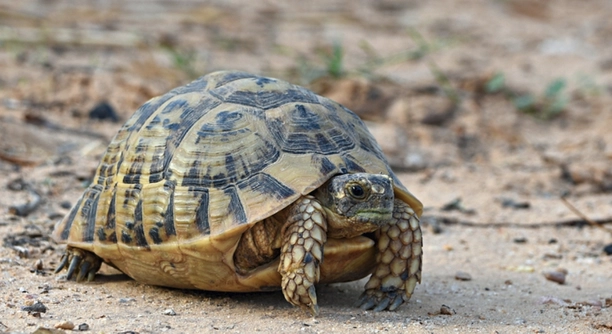
Russian tortoises are known for their curious nature and adventurous spirit. If you have one at home, you might notice them often trying to escape their enclosure. Understanding why they behave this way is important.
The primary reason your Russian tortoise is attempting to escape is rooted in their instinctual need to roam. These tortoises are territorial and naturally seek out new spaces. Ensuring an adequately sized, secure environment will help minimize this behavior.
Learning how to prevent your Russian tortoise from escaping will help ensure a happier and healthier life for your pet.
Why Do Russian Tortoises Try to Escape?
Russian tortoises are known for their constant need to explore. When they try to escape, it’s often because their instincts push them to roam. These tortoises naturally seek new environments, which is part of their survival instinct. The urge to wander is hardwired in them, and it can be frustrating for pet owners when they constantly try to break free. It’s important to recognize that this behavior isn’t necessarily due to dissatisfaction but is more about their natural need to explore and find space.
To reduce this behavior, providing an enclosure that mimics their natural habitat is key. Make sure it’s spacious and filled with hiding spots, plants, and areas to burrow. Tortoises love variety in their surroundings, so introducing different textures and features can help keep them satisfied. An enriched environment will fulfill their instincts to explore while preventing them from feeling confined or restless.
If the enclosure isn’t large enough, your tortoise may feel the need to escape simply because it feels too small. A larger, secure area gives them the freedom they need, reducing the chances of escape attempts. Monitoring their behavior after changes can help you fine-tune the setup for the best results.
Ensuring a Secure Habitat
When securing your tortoise’s habitat, a few key factors come into play. A strong, properly sealed enclosure with high sides will prevent your tortoise from pushing or climbing out.
Creating a secure, comfortable habitat for your Russian tortoise is crucial to their well-being. They are active and curious animals, so ensuring their enclosure is large enough and secure can help prevent escape attempts. Consider using mesh, wooden fences, or glass enclosures, ensuring they are tall enough to prevent climbing. It’s also essential to check for any potential gaps where your tortoise might squeeze through. Testing your setup by observing your pet’s behavior can give you peace of mind that the space is safe. Regularly maintain the enclosure to ensure it’s still secure as your tortoise grows or if it shows more energy.
The Role of Temperature in Escape Behavior
Temperature plays a significant role in your tortoise’s behavior. Russian tortoises thrive in warm environments, and if the temperature drops too low, they may become more active and try to escape in search of a better place to regulate their body heat.
Ensure your tortoise’s enclosure maintains a consistent temperature. If the area is too cold, they may feel the need to roam to find warmth, which can trigger escape attempts. A heat lamp or under-tank heating pad can help create a warm environment that mimics their natural habitat. Be sure to monitor the temperature carefully, as extremes—whether too hot or too cold—can stress your tortoise.
Maintaining proper temperature regulation can prevent your tortoise from feeling uncomfortable and seeking an escape route. Russian tortoises can handle a range of temperatures, but they need a consistent environment. Keep the daytime temperature between 75-85°F and a nighttime temperature of 65-70°F. This will help them feel secure and relaxed in their enclosure, minimizing the drive to escape.
The Importance of Proper Diet
Your Russian tortoise’s diet influences their behavior, including the desire to escape. A diet that’s lacking in essential nutrients may make them restless, prompting them to search for better conditions or food sources.
A well-balanced diet rich in fiber, calcium, and essential vitamins is vital to keep your tortoise healthy and content. Leafy greens, such as dandelion greens and collard greens, should make up most of their diet, while occasional fruits and vegetables can provide variety. The right nutrition not only supports your tortoise’s health but also ensures they are satisfied and less likely to exhibit restless behaviors. Providing fresh food daily helps prevent boredom and maintains their energy levels.
If your tortoise isn’t receiving the right nutrition, they may feel unsettled and try to escape. Supplementing their diet with calcium and vitamin D3 will help maintain bone health and energy. Also, be sure to avoid offering too many high-protein foods, as this can lead to shell deformities.
Enrichment and Stimulation
Russian tortoises need more than just space to be content; they require mental stimulation. Without enough things to engage with, they might try to escape in search of something more interesting.
Provide plenty of opportunities for enrichment. Use rocks, tunnels, and plants to mimic their natural environment. Toys or obstacles that encourage exploration can keep them entertained and less likely to attempt an escape. Adding variety, such as rotating objects in their habitat, can maintain their interest. The more engaging their environment, the less they’ll feel the need to roam.
Socialization and Bonding
Though Russian tortoises are solitary by nature, they do benefit from regular interaction with their owners. Spending time with them can make them feel more secure and less inclined to escape.
Tortoises appreciate familiarity and routine. Offering consistent handling and a calm environment can help your tortoise build trust. This comfort makes them less likely to feel anxious or in search of an escape route. When they feel at ease, they are more likely to stay within their safe space.
FAQ
Why is my Russian tortoise trying to escape?
Russian tortoises are naturally curious and territorial. Their instinct is to roam and explore. If they feel confined or bored, they may try to escape in search of more space. Ensuring a large, secure environment with enough enrichment will help satisfy their needs and reduce escape attempts.
What size enclosure does my Russian tortoise need?
A Russian tortoise requires a spacious enclosure to feel comfortable. The minimum recommended size is 4 feet by 2 feet for an adult. Larger enclosures are better as they provide room for exploration and prevent the tortoise from feeling restricted. Make sure the enclosure is secure with no gaps they could escape through.
Can temperature affect my tortoise’s desire to escape?
Yes, temperature plays a crucial role. Russian tortoises thrive in a warm environment. If their enclosure is too cold, they may feel the need to roam in search of warmth. Keep the daytime temperature between 75-85°F and the nighttime temperature between 65-70°F.
How can I keep my Russian tortoise from escaping?
Providing a secure, spacious enclosure is key to preventing escape attempts. Ensure the enclosure is large enough for your tortoise to explore and is free of gaps or weaknesses where they could push through. Adding various hiding spots and objects to climb or burrow under can also make the environment more enriching and satisfying.
What should I feed my Russian tortoise to prevent boredom?
A well-balanced diet is important for their health and can reduce restlessness. Provide leafy greens like dandelion greens, kale, and collard greens, and supplement with occasional vegetables and fruits. The more varied and nutritious their diet, the less likely they will be to try to escape in search of food.
How often should I clean my Russian tortoise’s enclosure?
Clean the enclosure regularly to maintain a healthy environment. Spot-clean daily to remove waste and uneaten food. A thorough cleaning should be done at least once a month, including replacing bedding, disinfecting surfaces, and checking for any potential hazards or escape routes. A clean environment will keep your tortoise comfortable and reduce the desire to roam.
Does my Russian tortoise need social interaction?
While Russian tortoises are solitary by nature, regular interaction with their owner can help them feel secure. Spending time with your tortoise, offering food, or gently handling them can help them become more familiar with their environment and reduce anxiety, which may prevent escape attempts.
Why does my Russian tortoise always seem to be digging?
Digging is a natural behavior for Russian tortoises. In the wild, they dig to find shelter or create a hiding spot. In captivity, they may dig due to instinct, boredom, or a need to regulate their temperature. Providing enough space and varied substrates like soil or sand can help satisfy this instinct.
How can I make my Russian tortoise feel more comfortable in their habitat?
To make your tortoise feel more comfortable, ensure they have a properly sized enclosure, consistent temperature, and a nutritious diet. Add various objects like rocks, plants, and tunnels to create an enriching environment. Regular interaction with you and a calm, consistent routine will also help your tortoise feel secure.
Should I get a companion for my Russian tortoise?
Russian tortoises are typically solitary and don’t require companions. In fact, adding another tortoise to their enclosure can lead to territorial disputes and stress. It’s usually better to let your tortoise live alone to avoid conflicts. If you choose to house multiple tortoises, ensure ample space and multiple hiding spots for each.
Final Thoughts
Understanding why your Russian tortoise may be trying to escape is crucial for ensuring their well-being. These tortoises are naturally curious creatures with an instinct to explore. However, when their environment doesn’t meet their needs, whether in terms of space, temperature, or stimulation, they may try to escape in search of a better place. By addressing these factors, you can create an environment that keeps your tortoise comfortable and reduces their desire to roam. A secure, well-maintained enclosure with proper temperature regulation, a balanced diet, and enriching items can help meet these needs.
The importance of providing a secure and stimulating habitat cannot be overstated. Russian tortoises, like most reptiles, require more than just a place to live. They need an environment that mimics their natural surroundings, with ample space to roam, objects to explore, and a stable temperature range. Without these elements, they may feel anxious or restless, leading to escape attempts. Furthermore, regular interaction with their owner, though not essential for every tortoise, can provide comfort and trust, helping to reduce stress and escape-seeking behaviors.
Taking these steps ensures your Russian tortoise has the best possible living conditions. Addressing environmental factors like space, temperature, and enrichment will help your tortoise thrive. While they may still attempt to escape from time to time, providing a secure, stimulating environment can significantly reduce the frequency of these behaviors. Understanding and meeting your tortoise’s needs will contribute to a happier, healthier pet that feels secure in their habitat.

Hello,
If you enjoy the content that we create, please consider saying a "Thank You!" by leaving a tip.
Every little bit helps us continue crafting quality advice that supports the health, happiness, and well-being of pets around the world, for pets of all shapes, sizes, and species.
We really appreciate the kindness and support that you show us!