
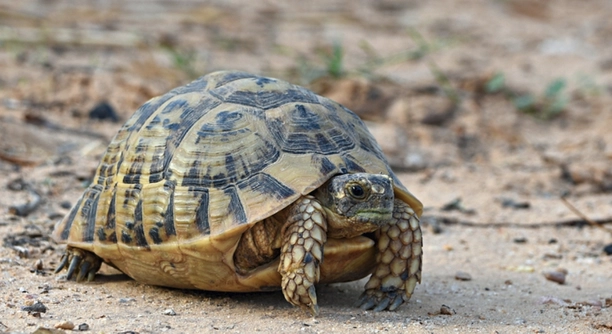
Russian tortoises are known for their digging behavior. If you’ve noticed your tortoise constantly digging in the same spot, you might be wondering why. Understanding this behavior is key to ensuring your tortoise’s well-being and comfort.
Russian tortoises dig for a variety of reasons, including to create a burrow for protection, regulate their temperature, or satisfy instinctual behaviors. This digging can also indicate stress, boredom, or an attempt to escape. It’s a natural and important part of their behavior.
Addressing the cause of your tortoise’s digging is essential for their health. Providing a more enriching environment and ensuring their habitat meets their natural needs can help.
Why Does My Russian Tortoise Dig in the Same Spot?
Digging is a common behavior in Russian tortoises. They may dig to create a comfortable resting place or hide from potential threats. In the wild, tortoises often dig burrows to protect themselves from predators or extreme temperatures. This behavior is instinctual and serves as a way for your pet to feel secure. When your tortoise digs in the same spot, it might be trying to establish its personal space. Sometimes, tortoises dig in search of cooler ground or a more suitable environment to regulate their body temperature.
Tortoises may also dig for comfort. If the substrate or surface is not soft enough or doesn’t allow proper burrowing, your pet might persist in digging to make it more suitable.
Ensuring the habitat is properly set up with a variety of textures in the substrate will allow your tortoise to express its natural behavior in a safe and healthy way. In addition, check the temperature of the enclosure regularly. A warm spot will attract your tortoise, while cooler areas allow it to cool off. Offering a comfortable, safe, and clean living environment will help minimize excessive digging.
Other Factors That Contribute to Digging
Sometimes, digging can be a sign of stress or boredom. If a tortoise feels confined or lacks stimulation, it might dig as a way to escape or release pent-up energy. Regular interaction and providing a variety of hiding spots can ease stress and prevent this behavior from becoming too excessive.
Your tortoise might also dig if it’s in search of food. They often dig around in their natural environment looking for food sources like plants, insects, or roots. If your tortoise’s diet isn’t varied enough, it might start digging in hopes of finding food.
Maintaining a balanced diet is key to preventing excessive digging. Along with proper care, ensure your tortoise’s environment includes plenty of opportunities for exploration. The addition of logs, rocks, and plant material can provide mental and physical stimulation. Allowing your tortoise to explore different textures can encourage natural behaviors that are healthy for its development.
Providing Proper Substrate for Digging
The right substrate can make a huge difference. A suitable substrate allows your tortoise to dig comfortably without damaging its claws or skin. Choose a mix of sand, soil, and organic material for the best results. Avoid substrates that are too fine or dry, as they may irritate your tortoise’s skin.
A deep substrate helps your tortoise feel secure, as it can create a burrow that mimics its natural environment. Ensure the substrate is deep enough to allow burrowing without being too compact or dry. The right amount of moisture is also important, so regularly check the humidity levels. Keep the substrate loose enough for easy digging but firm enough to prevent suffocation.
Consider adding hiding spots and textured materials, such as logs or stones. This gives your tortoise more options to express its natural behavior and provides a more enriching environment. A well-prepared substrate allows your tortoise to engage in natural digging without feeling stressed or confined.
Temperature Regulation in the Enclosure
Temperature is a crucial factor for Russian tortoises. They need a warm area to bask and a cooler area to retreat to. If the temperature is too high or low, your tortoise might dig in an attempt to find a more suitable environment. Ensure your tortoise has access to both warm and cool spots within its enclosure.
Providing a basking lamp to simulate natural sunlight will help regulate the temperature. Keep the basking area at around 90°F (32°C) while the cooler side should be around 75°F (24°C). A temperature gradient allows your tortoise to move freely between areas of different warmth, promoting natural behavior. Check the temperatures regularly with a thermometer to maintain the proper balance.
Your tortoise may also dig to regulate its body temperature, seeking cooler ground or hiding from direct heat. Monitoring the temperature will help prevent excessive digging. Adjust the heat settings as needed and ensure the enclosure offers varied climates that your tortoise can adapt to. This helps reduce stress and improves overall health.
Enrichment Through Exploration
Russian tortoises are curious creatures and need opportunities for mental and physical stimulation. Without adequate enrichment, they may resort to repetitive digging. Adding new objects, such as rocks, logs, and plants, can provide a variety of textures for your tortoise to explore.
This type of enrichment encourages natural behaviors like climbing and exploring, rather than focusing on digging. New additions will also keep your tortoise engaged, reducing boredom and stress. A varied environment supports both mental and physical health, making your tortoise feel more comfortable in its space.
A balanced environment with enrichment encourages your tortoise to express its natural instincts without resorting to excessive digging. It also promotes overall well-being.
Stress-Induced Digging
Stress can make your tortoise dig in the same spot. Factors like loud noises, overcrowding, or improper enclosure setup can contribute to anxiety. Keeping the environment quiet, clean, and spacious helps minimize stress. Be mindful of changes that might affect your tortoise.
If your tortoise seems stressed, check for changes in behavior or appearance. Stress often shows as lethargy or poor appetite. Creating a safe space with enough hiding areas allows your tortoise to feel secure. Adjustments to the environment can help reduce stress-related digging, making your tortoise more comfortable.
Feeding and Digging Behavior
If your tortoise isn’t getting enough nutrition, it may start digging for food. Ensure that its diet is balanced, including leafy greens and occasional treats. Regular feeding schedules help maintain a healthy tortoise and reduce the urge to search for food.
A proper diet prevents frustration and encourages your tortoise to focus on its natural behaviors rather than digging out of hunger.
FAQ
Why does my Russian tortoise dig so much?
Russian tortoises dig to satisfy natural instincts, such as creating a burrow for protection or regulating their body temperature. Digging is also a form of exercise and can help alleviate stress. If your tortoise is digging excessively, it might be due to boredom, stress, or an attempt to find a more suitable environment. Ensuring the enclosure is large enough and offers enrichment, like hiding spots and climbing structures, can help reduce excessive digging.
How deep should the substrate be for my tortoise?
A good substrate depth should allow your tortoise to burrow comfortably. Aim for at least 4 to 6 inches of substrate. The depth allows your tortoise to engage in natural digging behaviors, which promotes its mental and physical health. Be sure the substrate is loose enough for easy digging but firm enough to avoid suffocation.
Can digging be a sign of stress?
Yes, digging can be a sign of stress, especially if your tortoise is digging in the same spot constantly. Stressful conditions like overcrowding, loud noises, or a lack of enrichment can contribute to this behavior. Creating a quieter, more secure environment with hiding spots and plenty of room can reduce stress and discourage excessive digging.
How can I tell if my tortoise is stressed?
Signs of stress in a tortoise may include digging, loss of appetite, lethargy, or erratic behavior. If your tortoise is frequently hiding or seems agitated, it might be stressed. Look for changes in activity level or appetite as well. Stress can stem from improper enclosure conditions, temperature fluctuations, or inadequate diet.
Does my tortoise need constant stimulation?
Yes, your tortoise will benefit from regular stimulation. Russian tortoises are naturally curious, and providing new objects to explore or rearranging the enclosure can help keep your tortoise mentally engaged. Adding different textures and climbing structures helps mimic their natural environment, preventing boredom and excessive digging.
Can my tortoise’s diet affect its digging behavior?
Absolutely. If your tortoise is not getting enough food or a balanced diet, it may dig to search for something to eat. Make sure your tortoise’s diet consists mainly of leafy greens, with occasional treats like flowers or vegetables. A well-fed tortoise is less likely to dig excessively in search of food.
Should I worry if my tortoise digs in one spot every day?
It depends on the context. If the digging seems excessive or seems to be driven by stress or discomfort, it might be worth addressing the underlying cause, such as improper temperature or lack of enrichment. However, some digging behavior is normal, especially if your tortoise is creating a safe, cool spot to rest.
Is it normal for my tortoise to dig while eating?
Some tortoises dig during feeding time as a way of creating a comfortable environment for eating. This behavior can also be related to their instinctual need to search for food. If your tortoise is eating regularly and seems healthy, there is usually no cause for concern. However, if this behavior becomes excessive or linked to stress, it’s worth looking into their environment.
How can I provide a better living space for my tortoise?
Providing a spacious enclosure with a variety of textures and hiding spots is key. A balanced diet, appropriate temperature gradient, and regular enrichment, such as new objects to explore, can all contribute to your tortoise’s well-being. Regularly check the temperature and humidity levels to ensure they are within the ideal range for your tortoise.
What type of substrate is best for my tortoise’s digging?
A mixture of soil, sand, and organic material is ideal. The substrate should be deep enough for digging, but not so compact that it’s difficult for your tortoise to move through. Avoid materials like wood chips or too-fine sand, which can irritate your tortoise’s skin. Make sure to provide moisture to maintain the right balance.
Can my tortoise dig to escape?
Yes, Russian tortoises are known to dig to escape if they feel stressed or confined. It is important to make sure the enclosure is secure and large enough for them to roam. Adding higher barriers or deeper walls to the enclosure can help prevent escape attempts.
Is digging a natural behavior for my tortoise?
Yes, digging is completely natural for Russian tortoises. In the wild, they dig to create burrows for safety, cool off, or escape from predators. While it’s normal for your tortoise to dig, excessive digging could signal a need for environmental adjustments or enrichment. Make sure your tortoise has enough space and resources to engage in natural behaviors.
How do I know if my tortoise is too hot or cold?
Your tortoise will likely show signs of stress if the temperature is not right. If it is too hot, your tortoise might dig in search of a cooler spot or display lethargy. If it is too cold, your tortoise may dig to create warmth or become sluggish. Ensure there is a temperature gradient within the enclosure so your tortoise can regulate its body temperature.
Can I stop my tortoise from digging altogether?
Completely stopping digging is unrealistic, as it is a natural and healthy behavior for tortoises. Instead of stopping it, focus on ensuring that the environment encourages healthy digging. Providing appropriate substrate depth, temperature regulation, and enrichment can help keep the behavior manageable and reduce excessive digging.
Final Thoughts
Russian tortoises are active, curious animals that often engage in behaviors like digging as part of their natural instincts. Digging can serve multiple purposes, such as regulating their body temperature, finding food, or creating a safe space. While this behavior is normal and healthy, it can sometimes become excessive, leading to concerns for their well-being. Understanding the underlying causes of this behavior is important for maintaining a comfortable environment for your tortoise.
One key factor in managing excessive digging is creating an enriching environment. Tortoises thrive in spaces that provide opportunities for exploration, climbing, and hiding. By offering different textures, objects to climb on, and areas to explore, you can help your tortoise satisfy its curiosity without the need for constant digging. Additionally, ensuring the substrate is deep enough and appropriate for burrowing can also contribute to a more satisfying and natural environment. These changes can help redirect their energy into healthier behaviors and reduce stress-induced digging.
Lastly, it’s important to monitor your tortoise’s health and behavior. Changes in digging patterns, especially if they are linked to a loss of appetite or unusual lethargy, may signal stress or health issues. Ensure that the temperature, humidity, and diet are appropriate for your tortoise’s species. By providing a safe, stimulating environment and addressing any potential stressors, you can keep your Russian tortoise happy and healthy while allowing it to express its natural behaviors in a safe, controlled way.

Hello,
If you enjoy the content that we create, please consider saying a "Thank You!" by leaving a tip.
Every little bit helps us continue crafting quality advice that supports the health, happiness, and well-being of pets around the world, for pets of all shapes, sizes, and species.
We really appreciate the kindness and support that you show us!