
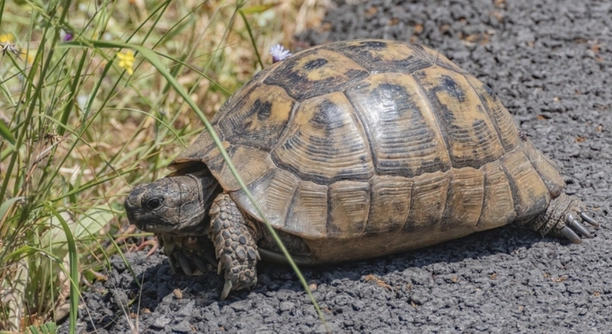
If you notice your Russian tortoise acting shyer than usual, it can be concerning. Tortoises are generally calm, but changes in behavior may indicate underlying issues. Understanding the reasons behind this behavior can help ensure their well-being.
Russian tortoises may become more shy due to factors such as changes in their environment, stress, illness, or temperature fluctuations. A decrease in social interaction, habitat disruptions, or discomfort can contribute to a noticeable shift in their behavior.
Several aspects influence your tortoise’s behavior, and understanding them will help address their needs effectively.
Possible Environmental Changes
Changes to your tortoise’s environment are one of the most common reasons for shyness. Tortoises are creatures of habit, and any alteration to their habitat can cause stress. Whether it’s a change in temperature, humidity, or light exposure, your tortoise may retreat into its shell more often. A new enclosure or even a shift in the arrangement of their surroundings can make them feel unsettled. They rely on familiarity to feel secure, so minor changes can lead to noticeable behavior shifts.
Ensuring that the temperature and humidity levels remain constant is crucial. Russian tortoises are particularly sensitive to these factors. If the environment fluctuates too much, they may respond by becoming more reserved.
If you recently moved their tank or made changes to their living space, consider returning things to their original state. Providing a consistent environment will help your tortoise feel more comfortable and less stressed, which can reduce their tendency to hide.
Health Concerns
Shyness can also signal health problems. If your tortoise seems overly withdrawn or sluggish, it may be in discomfort.
A variety of health issues, such as respiratory infections or digestive problems, can lead to changes in behavior. If you suspect your tortoise is unwell, it’s best to consult with a vet.
Regular check-ups can prevent potential issues from escalating. Keep an eye out for any signs of illness such as swelling, discharge, or irregular breathing. Monitoring their eating habits can also provide valuable insight. If their appetite decreases, it’s time to seek medical advice.
Stress from Social Interaction
While Russian tortoises are solitary by nature, they do need regular interaction to feel secure. Lack of interaction, especially if they are housed alone for long periods, can lead to stress. Tortoises may become more withdrawn as a coping mechanism, retreating from human contact. If your tortoise seems overly shy, consider offering more time out of their enclosure and engaging in gentle, quiet interactions.
Even subtle changes, like less time outside of their habitat, can cause them to pull away. A simple adjustment in routine might encourage them to become more comfortable and social.
Temperature and Humidity Adjustments
If your tortoise is acting shy, temperature and humidity levels might be off. Russian tortoises need a warm, dry environment with a basking area around 90°F and a cooler spot around 70°F. Humidity should be low but stable.
Fluctuating temperatures or high humidity can make them feel stressed and more withdrawn. Make sure you have a reliable thermometer and hygrometer in place. Regularly check that your tortoise’s basking spot remains warm enough and that the cooler areas don’t drop too low. Consistent conditions will encourage your tortoise to feel more secure.
Ensure that both daytime and nighttime temperatures are stable to avoid stress. If these conditions are not maintained, your tortoise may become lethargic or shy. If you notice behavioral changes after adjusting the environment, consider fine-tuning the temperature and humidity to suit their needs.
Changes in Diet
A shift in diet can also affect your tortoise’s behavior. Russian tortoises rely on a diet rich in fiber, including grasses and leafy greens. If there are changes in their food or feeding routine, it can result in a more reserved attitude.
Changes in diet, especially introducing unfamiliar foods, might disrupt their digestive system. A lack of appetite or changes in digestion can lead to behavior changes such as hiding more frequently. Ensuring they have consistent and appropriate meals is essential to keeping them healthy and active.
If you’ve introduced new foods, ensure they are suitable for your tortoise and not causing any digestive upset. Also, check if their food is fresh and free from pesticides. Proper nutrition will support a healthy tortoise with an active and social disposition.
Stress from Handling
Too much handling can lead to shyness in Russian tortoises. While they are not particularly social animals, they still need to feel safe in their environment. Overhandling can stress them out, causing them to retreat into their shells more often.
If your tortoise has become shy after being frequently handled, it’s time to give it some space. Try to limit handling to necessary occasions and allow your tortoise to rest in its habitat without interruption. This will help reduce stress and restore confidence.
Tortoise Behavior During Hibernation
As temperatures drop, your tortoise may become less active, preparing for hibernation. During this time, they may appear more shy and withdrawn, seeking shelter to conserve energy.
Hibernation behavior is normal for Russian tortoises, especially as days get shorter. If your tortoise is preparing to hibernate, ensure the environment is stable for this process. Allow them to enter a restful state and avoid disturbances during this time to maintain their natural cycle.
Aging and Behavior Changes
As tortoises age, their behavior may naturally become more reserved. Older tortoises tend to spend more time resting and less time being active. They may appear more shy, which can be mistaken for illness or stress.
If your tortoise is getting older, these changes are likely part of the aging process. Older tortoises may also experience mobility issues, making them less inclined to roam or interact. Adjusting their environment to suit their needs as they age will help keep them comfortable.
FAQ
Why is my Russian tortoise hiding more than usual?
Hiding more often can indicate stress, health issues, or environmental changes. Russian tortoises may retreat into their shells if the temperature or humidity is not suitable. They may also hide when they are not feeling well or when their habitat is not secure. It’s important to assess the environment, check their health, and ensure they feel safe.
How do I know if my tortoise is sick?
Signs of illness in a tortoise include lack of appetite, difficulty moving, swelling, discharge from the eyes or nose, or lethargy. If you notice any of these symptoms, it’s best to consult a vet familiar with reptiles. Illness can cause a tortoise to become more shy or withdrawn as they conserve energy.
Can I do anything to reduce my tortoise’s stress?
Providing a stable environment is key to reducing stress. Ensure the temperature, humidity, and lighting are consistent. Avoid frequent handling or changes to their habitat. Give your tortoise plenty of space to roam, and let it retreat when it needs to. A calm, predictable routine will help keep your tortoise comfortable.
Is it normal for my Russian tortoise to be shy?
Yes, Russian tortoises are naturally shy creatures. They tend to be more solitary and will hide or retreat when feeling uncomfortable. Over time, they may become more accustomed to their environment and their handler, but they will always prefer peace and quiet.
Can Russian tortoises bond with their owners?
Russian tortoises can learn to recognize their owners, but they are not as affectionate as pets like dogs or cats. They may become more comfortable around you over time, especially if they associate you with food or a safe environment. However, they are independent animals that prefer minimal handling.
What should I do if my tortoise isn’t eating?
If your tortoise isn’t eating, first check that the temperature and humidity are appropriate for its needs. Sometimes, a change in diet or stress can cause a decrease in appetite. Offer a variety of fresh greens and ensure their food is free of pesticides. If they still refuse to eat, a vet visit may be necessary.
How can I make my tortoise’s enclosure more comfortable?
Provide a spacious, well-lit enclosure with proper heating and humidity levels. Include hiding spots like logs or plants, as tortoises appreciate places where they can feel secure. Ensure there’s a basking spot for warmth and a cooler area for comfort. The substrate should be easy to clean, like reptile-safe soil or sand.
Do Russian tortoises need a companion?
Russian tortoises are solitary animals and do not require a companion. In fact, housing multiple tortoises together can sometimes lead to stress or fighting, especially if they are of the same sex. It’s best to keep them alone unless you are breeding them.
Why is my Russian tortoise becoming aggressive?
Aggression in tortoises can occur if they feel threatened, are not getting enough space, or are housed with another tortoise. Males may also display territorial behavior during mating season. To prevent aggression, ensure that each tortoise has its own space and avoid handling them too much.
How often should I handle my tortoise?
Russian tortoises don’t need frequent handling. Handling them too much can cause stress and make them more shy. Only handle your tortoise when necessary, and allow them to roam freely in their enclosure. If you do handle them, keep it gentle and brief to avoid stressing them out.
Can I let my tortoise roam outside?
You can allow your tortoise to roam outside, but only in a safe, enclosed area. Make sure the temperature is suitable, and there are no predators or hazards. Avoid letting them roam unsupervised, as they can easily get lost or injured. Outdoor time can help with their health, but safety is key.
How long do Russian tortoises live?
Russian tortoises have a lifespan of around 40-50 years in captivity, provided they are well cared for. Their life expectancy can be influenced by diet, habitat, and overall health. Providing the right care will help them live a long, healthy life.
What should I do if my tortoise is not moving much?
If your tortoise is not moving much, it could be a sign of illness or environmental issues. Check if the temperature is correct, as Russian tortoises are sensitive to temperature changes. If they continue to be inactive, consult a vet to rule out any health problems.
Can I breed Russian tortoises?
Breeding Russian tortoises is possible but requires specific conditions. The males and females should be properly introduced, and the habitat needs to be large enough to accommodate both. If you’re considering breeding, research proper care and consult with a vet to ensure a successful and healthy breeding process.
How do I prevent my tortoise from getting shell rot?
Shell rot can be prevented by maintaining a clean environment and ensuring the tortoise has proper humidity and temperature levels. Avoid excessive moisture, which can lead to fungal or bacterial growth. Make sure their habitat is dry and well-ventilated, and regularly clean their enclosure to prevent infection.
Final Thoughts
Russian tortoises are naturally shy animals and may act more reserved for a variety of reasons. Changes in their environment, stress from handling, or health issues can all contribute to their withdrawn behavior. It’s important to pay attention to these signs, as they help you understand what your tortoise needs to feel comfortable and secure. By observing their behavior and making necessary adjustments to their habitat and care routine, you can support your tortoise in feeling more at ease.
Providing a stable and quiet environment is key to a happy, healthy tortoise. This means offering the right temperature, humidity, and lighting, as well as minimizing stress factors like overhandling. Tortoises need time to adjust to changes in their surroundings, so patience is crucial. If your tortoise seems more shy than usual, take a step back and assess what might be causing them to retreat. If their behavior changes drastically, it could indicate a deeper issue that may require a vet’s attention.
By ensuring that your Russian tortoise has the right environment, space, and care, you can help them lead a stress-free life. Remember that while they may not show affection like more social pets, they do form a sense of security with their caretakers over time. Providing proper care and respecting their natural instincts will help build trust and allow them to thrive in their habitat.

Hello,
If you enjoy the content that we create, please consider saying a "Thank You!" by leaving a tip.
Every little bit helps us continue crafting quality advice that supports the health, happiness, and well-being of pets around the world, for pets of all shapes, sizes, and species.
We really appreciate the kindness and support that you show us!