
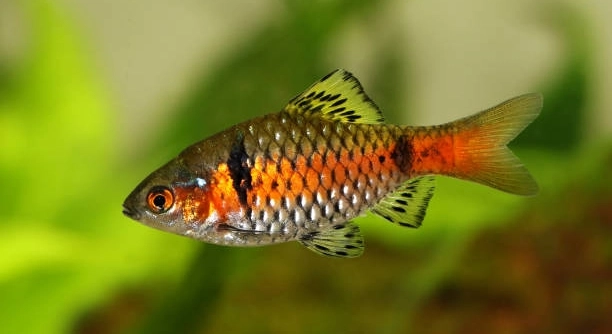
Are your rosy barbs showing signs of tail clamping? This behavior is common among many aquarium fish and can signal various health or environmental issues. Understanding why this happens can help maintain a happy and healthy tank.
Tail clamping in rosy barbs usually indicates stress or discomfort. Causes often include poor water quality, improper tank conditions, illness, or aggression from tank mates. Identifying and addressing these factors promptly is crucial to the fish’s well-being.
Recognizing the reasons behind tail clamping will help you improve your fish’s environment and health for a more peaceful aquarium experience.
Common Causes of Tail Clamping in Rosy Barbs
Tail clamping in rosy barbs is often a sign that something in their environment is causing discomfort or stress. Poor water quality is one of the most frequent reasons. High levels of ammonia, nitrites, or nitrates can irritate fish and lead to this behavior. Temperature fluctuations or water that is too cold or warm also affect their health. Another factor is tank size and overcrowding. When there isn’t enough space, or the tank is crowded with aggressive fish, rosy barbs may clamp their tails as a defensive response. Illness or parasites can cause pain or irritation, leading to tail clamping as well. It’s important to check these conditions regularly to keep your fish comfortable and healthy.
Keeping your tank clean and monitoring water parameters regularly can prevent tail clamping. Using a water test kit helps maintain ideal conditions.
Tail clamping might also occur if the fish feel threatened or stressed by new additions to the tank or sudden changes. Observing the fish closely for other signs of illness or aggression is important. Addressing these issues early helps avoid more serious health problems and ensures your rosy barbs remain active and vibrant.
How to Improve Water Quality for Rosy Barbs
Maintaining good water quality is essential for rosy barbs’ health. Regular water changes help remove waste and toxins that build up over time. Using a reliable filtration system can also improve water clarity and reduce harmful substances. Testing the water at least once a week allows you to detect any problems early and adjust accordingly.
Cleaning the substrate by vacuuming debris and avoiding overfeeding reduces pollution. A stable temperature between 74°F and 78°F keeps rosy barbs comfortable. Ensuring proper aeration provides enough oxygen, which is vital for their well-being. Making these simple adjustments can greatly reduce stress and stop tail clamping. Regular care will create a stable environment where your fish can thrive without showing signs of distress.
Stress and Aggression from Tank Mates
Stress caused by aggressive tank mates can lead to tail clamping in rosy barbs. If the fish feel threatened, they often display this behavior to protect themselves. Identifying bullying or chasing is important for a peaceful tank.
Aggression from other fish disrupts the rosy barbs’ comfort, causing them to hide or clamp their tails. Territorial species or larger, aggressive fish may chase or nip at the rosy barbs’ fins. This harassment increases stress and can weaken their immune system, making them more vulnerable to illness. To reduce aggression, consider separating aggressive fish or choosing peaceful tank mates. Adding plants or decorations can also provide hiding spots, helping stressed fish feel safer.
Creating a calm environment is key. Maintaining appropriate tank size, avoiding overcrowding, and selecting compatible species reduce aggressive behaviors. Keeping an eye on fish interactions helps spot problems early. When rosy barbs feel secure, tail clamping usually decreases, improving their overall health and behavior.
Illness and Parasites
Tail clamping can signal illness or parasite infections in rosy barbs. External parasites like ich or flukes cause irritation, making fish uncomfortable and stressed. Internal diseases may also affect swimming and posture, leading to clamped tails.
When illness is the cause, other symptoms often appear, such as faded color, lethargy, or loss of appetite. Parasites can be identified by white spots, rubbing against surfaces, or rapid breathing. Treating the tank with appropriate medication and isolating sick fish prevents spread. Maintaining clean water and a balanced diet strengthens the immune system, helping prevent illness. Early detection and treatment improve recovery chances and stop tail clamping caused by health issues.
Overfeeding and Poor Diet
Overfeeding can cause water quality to decline quickly, stressing rosy barbs and leading to tail clamping. Uneaten food decays and increases harmful waste in the tank.
A poor diet lacking essential nutrients weakens fish health. Feeding a balanced variety of flakes, pellets, and occasional live or frozen foods supports their immune system and reduces stress.
Signs to Watch For
Tail clamping often comes with other signs like lethargy, loss of appetite, or rapid gill movement. These symptoms help identify underlying problems early.
Monitoring your fish’s behavior and appearance regularly allows you to address issues before they worsen, ensuring a healthier tank environment.
Importance of Tank Size
Providing enough space helps reduce stress and aggressive behavior. A larger tank allows rosy barbs to swim freely and avoid conflicts.
Ensuring proper tank size is a simple way to promote calmness and prevent tail clamping in your fish.
FAQ
Why is my rosy barb tail clamping even though the water looks clean?
Even if the water looks clear, harmful chemicals like ammonia, nitrites, or nitrates can still be present and stress your fish. Water quality tests are essential to check these levels. Sudden changes in temperature or pH can also cause discomfort and lead to tail clamping. Sometimes, stress from other fish or illness is the cause despite clear water.
How often should I test the water for my rosy barbs?
Testing the water at least once a week is a good habit. Regular checks help catch changes in water parameters early. If you notice tail clamping or unusual behavior, test the water immediately. Consistent monitoring keeps the environment stable and helps your fish stay healthy.
Can tail clamping be caused by tank decorations?
Yes, sharp or rough decorations can injure rosy barbs, causing pain that leads to tail clamping. Overcrowded or poorly arranged decorations might also increase stress by limiting swimming space or hiding spots. Make sure tank decorations are smooth and well spaced to avoid accidental harm.
Is tail clamping reversible?
In most cases, tail clamping can be reversed if the cause is identified and corrected early. Improving water quality, reducing stress, treating illness, or adjusting tank conditions usually helps fish recover normal behavior. However, if health problems worsen without treatment, the behavior may become permanent or lead to death.
Should I isolate a rosy barb that is tail clamping?
Isolating a sick or stressed fish can sometimes help reduce further harm from tank mates and make treatment easier. Use a quarantine tank if you suspect illness or parasites. However, if tail clamping is due to environmental factors, focus on fixing those instead of isolating the fish unnecessarily.
Can tail clamping be a sign of pregnancy or breeding behavior?
Rosy barbs do not typically clamp their tails during breeding. Tail clamping is generally a sign of stress, illness, or poor conditions rather than normal reproductive behavior. Watch for other signs like color changes or spawning activity to determine if breeding is happening.
How can I reduce aggression in my tank to prevent tail clamping?
Choose peaceful fish species and avoid overcrowding the tank. Provide plenty of hiding places and plants to reduce stress. Sometimes rearranging the tank setup or separating aggressive fish is necessary. Regularly observe your fish to spot bullying early and take action quickly.
Does tail clamping mean my fish is sick?
Not always, but it can be a sign of illness. If tail clamping comes with other symptoms like lethargy, loss of appetite, or spots on the body, illness is likely. Stress or poor water conditions might also cause this behavior without illness. Proper diagnosis is important.
Can diet affect tail clamping?
Yes, a poor or unbalanced diet weakens fish health and makes them more sensitive to stress. Overfeeding pollutes the water, causing discomfort and tail clamping. Feeding a balanced diet and avoiding excess food supports immune health and prevents stress-related behaviors.
What is the best way to treat tail clamping caused by parasites?
Identify the parasite by observing symptoms like white spots or rubbing behavior. Use appropriate medication recommended for the specific parasite type. Quarantine sick fish to prevent spread and keep the tank clean. Follow treatment instructions carefully for the best results.
Is tail clamping common in all rosy barbs or just some?
Tail clamping can affect any rosy barb but is more common in stressed, sick, or poorly cared-for fish. Healthy fish in stable conditions rarely show this behavior. Proper tank management reduces the chances of tail clamping across your entire group.
How long does it take for a rosy barb to recover from tail clamping?
Recovery time varies depending on the cause and how quickly it is addressed. If water quality improves and stress is reduced, tail clamping can stop within days. Illness or parasite treatment might take longer. Consistent care speeds up recovery and restores normal behavior.
Can changing the tank water too often cause tail clamping?
Frequent, large water changes can shock fish if the new water is very different in temperature or chemistry. This shock can cause stress and tail clamping. It’s better to do smaller, regular water changes and match new water parameters closely to the tank’s existing conditions.
Tail clamping in rosy barbs is a common behavior that signals discomfort or stress. It is important to pay attention when you notice this because it often points to issues in the tank environment or the fish’s health. Simple things like water quality, temperature, tank mates, or diet can cause your fish to clamp their tails. Understanding these factors helps create a better home for your rosy barbs and reduces stress.
Keeping a regular care routine is key to preventing tail clamping. Test your water frequently and do regular water changes to keep the tank clean. Avoid overcrowding and choose peaceful fish species that get along well with rosy barbs. Providing plenty of hiding spots and stable water conditions helps your fish feel safe. Also, feeding a balanced diet and not overfeeding supports their health. These steps often prevent tail clamping before it becomes a serious problem.
If tail clamping does happen, check for signs of illness or parasites and act quickly. Treating diseases early can save your fish and stop the behavior. Sometimes, adjusting tank conditions or separating aggressive fish is needed to reduce stress. Patience and consistent care go a long way in helping your rosy barbs recover. With attention and proper tank management, your fish can stay healthy, active, and show their true colors.

Hello,
If you enjoy the content that we create, please consider saying a "Thank You!" by leaving a tip.
Every little bit helps us continue crafting quality advice that supports the health, happiness, and well-being of pets around the world, for pets of all shapes, sizes, and species.
We really appreciate the kindness and support that you show us!