
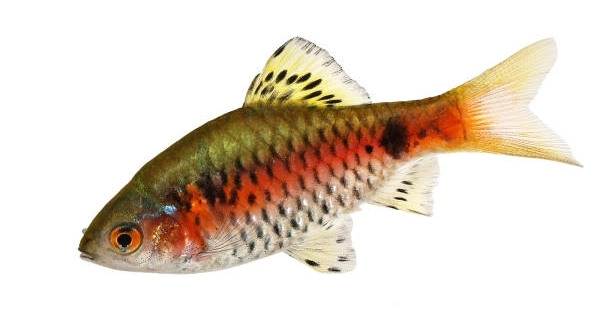
Is your Rosy Barb acting strangely and swimming sideways, leaving you unsure about what’s happening in your aquarium? This behavior can be concerning and may signal that something isn’t quite right with your fish.
The most common reason a Rosy Barb swims sideways is swim bladder disorder. This condition affects the fish’s buoyancy and is often caused by overfeeding, constipation, bacterial infections, or poor water quality in the tank.
Learning what causes this issue is key to helping your Rosy Barb recover and stay healthy. Let’s explore the main factors and how to address them effectively.
What Causes a Rosy Barb to Swim Sideways
Swim bladder disorder is usually the reason behind this type of behavior. The swim bladder is an internal organ that helps fish control their buoyancy. When it isn’t working properly, the fish may float oddly or struggle to swim in a straight line. Overfeeding, constipation, or poor diet are common causes, especially when dry food expands in the stomach. Bacterial or parasitic infections can also affect the swim bladder directly. Poor water conditions—such as high ammonia or nitrate levels—add even more stress to your fish and may trigger or worsen the issue. It’s important to observe other symptoms too, like bloating, lack of appetite, or difficulty staying upright. These signs will help you better understand what’s going on. The sooner you catch the problem, the easier it is to manage. Acting quickly improves the chances that your Rosy Barb will recover without long-term damage.
A swollen belly and lack of energy often go hand-in-hand with swim bladder issues.
If your Rosy Barb has trouble swimming but still tries to eat, there’s a good chance the condition is manageable. Start by isolating the fish if possible and avoid feeding for 24 to 48 hours. This gives the digestive system time to reset. After the break, offer a small amount of cooked, skinned peas, which can ease constipation. Check the tank’s water parameters using a reliable test kit—especially ammonia, nitrite, nitrate, and pH. A partial water change might help reduce stress and improve overall conditions. If no improvement follows these steps, consider a swim bladder-safe antibiotic, but only after ruling out other causes. Avoid overfeeding in the future and stick to a consistent cleaning schedule. Balanced, varied food and clean water go a long way in keeping your fish healthy and active.
When to Be Concerned About Sideways Swimming
If your Rosy Barb shows no improvement after a few days of care, it might be time to look deeper.
Extended sideways swimming, refusal to eat, or visible signs like a bent spine or clamped fins could suggest something more serious. Internal infections or damage to the swim bladder may be to blame. In these cases, treatment becomes harder and professional help is usually needed. A veterinarian with experience in aquatic animals can guide you through medications or diagnostics. It’s also a good idea to check if other fish in the tank show similar signs. If more than one fish is affected, the problem might be environmental. Double-check water conditions, filter performance, and feeding habits. Sometimes, fish develop chronic swim issues due to injuries or genetic problems, especially if the issue returns repeatedly. While it’s upsetting to see your Rosy Barb in distress, catching these signs early and acting quickly gives you the best chance at turning things around and preventing future trouble in the tank.
How to Treat Swim Bladder Disorder in Rosy Barbs
The first thing to do is stop feeding your Rosy Barb for 24 to 48 hours. This gives the digestive system time to clear out and may relieve pressure on the swim bladder.
After the fasting period, try feeding a small amount of cooked, skinned peas. This natural method often helps clear up constipation, which is a common cause of swim bladder problems. Make sure the pea is soft, peeled, and cut into tiny pieces your Rosy Barb can easily eat. Only feed a little, and observe how the fish reacts. Keep your tank water clean and well-aerated. Perform a partial water change and test the water for ammonia, nitrites, and pH balance. Stable, clean water supports healing and lowers stress. If the condition improves within a few days, continue offering small portions of easily digestible food. Avoid dry flakes until your fish is back to normal.
If natural methods don’t improve your Rosy Barb’s condition, medication might be necessary. Antibacterial treatments made for swim bladder infections can be found at pet stores. Make sure to follow the dosage instructions carefully and remove any carbon from your filter, as it can absorb the medicine. It’s also important to isolate the sick fish in a separate tank if you haven’t already, which helps prevent possible spread of disease and keeps conditions easier to control. Keep the water shallow in the treatment tank so the fish doesn’t struggle to swim. Maintain a consistent temperature and low stress environment. If there’s still no improvement after treatment, the issue may be due to permanent damage or a genetic condition, and your fish may need long-term support or monitoring.
Preventing Future Swim Issues
Avoid overfeeding and stick to a schedule. Feed small portions once or twice a day, and include variety like frozen or live food. This keeps digestion smooth and helps avoid bloating.
Good tank maintenance makes a big difference in your Rosy Barb’s health. Regularly test the water and aim for stable levels—ammonia and nitrites should be at zero, and nitrates should stay low. Do partial water changes weekly, around 25%, and clean the gravel to remove waste buildup. Choose a good-quality filter that matches your tank size and make sure it runs well. A proper filter helps maintain oxygen levels and keeps the water clean. Also, avoid sudden changes in temperature or pH, as these can stress your fish and make them more likely to get sick. Giving your Rosy Barb enough space to swim and a calm environment also helps prevent injuries and long-term swim problems. Making a few small changes now can lead to healthier, happier fish in the future.
Signs That It’s Not Swim Bladder Disorder
If your Rosy Barb has clamped fins, white spots, or visible redness, it could be a different issue like a parasite or infection. Swim bladder problems don’t usually come with external symptoms.
A bent spine, twitchy movements, or weight loss may point to genetic issues or internal parasites. These need a different treatment plan.
Do Rosy Barbs Recover from Swim Bladder Problems?
Yes, many Rosy Barbs recover if the condition is caught early and treated properly. Mild cases caused by constipation or poor water can clear up in a few days with fasting and dietary changes. But more serious cases caused by infection or permanent damage may take longer to improve. Some fish may never swim the same way again but can still live a full life with proper care. Keep the tank clean, feed a varied diet, and reduce stress as much as possible. These small changes can give your Rosy Barb the best chance to heal and stay healthy.
Can Tank Mates Cause Stress?
Yes, aggressive tank mates can cause ongoing stress. This can weaken your Rosy Barb’s immune system and lead to health problems, including swim issues.
FAQ
Can a Rosy Barb live with swim bladder disorder long-term?
Yes, some Rosy Barbs can live with mild swim bladder issues long-term. If the cause isn’t infection or damage, and the fish can still eat and swim around, it can often adapt. You might notice it swims at a tilt or rests more often, but as long as it’s active, eating, and not in visible distress, it can still enjoy a fairly normal life. Keep the tank clean, offer easy-to-digest food, and avoid stress. A shallow tank or fewer obstacles may also help reduce swimming effort and improve quality of life.
What foods should I avoid feeding my Rosy Barb?
Avoid dry flakes or pellets that haven’t been soaked beforehand. These expand in the stomach and can put pressure on the swim bladder. Also avoid fatty or processed treats. Stick with high-quality, varied foods like daphnia, brine shrimp, blanched vegetables, and soft peas. Rotate what you feed and watch portion sizes. Too much of even a healthy food can cause problems. Feeding small amounts once or twice a day is better than one large feeding. Uneaten food should be removed quickly to help keep the tank water clean and balanced.
Should I separate my Rosy Barb from the other fish if it’s swimming sideways?
Yes, if possible. Separating your Rosy Barb gives you better control over water conditions, feeding, and stress levels. It also helps prevent other fish from picking on it. Sometimes fish that act differently become a target for aggression, which can make things worse. A hospital tank allows quiet recovery and easier treatment if medication is needed. Keep the water shallow, warm, and stable. If your main tank has good conditions and no signs of infection, you can return the fish once it shows steady improvement and can swim more normally.
How fast do symptoms appear in swim bladder disorder?
Symptoms can show up suddenly or gradually, depending on the cause. If it’s due to overfeeding or constipation, the problem may appear within a day or two. Infections might take longer to develop, and symptoms can worsen over time. Watch for early signs like floating oddly, struggling to stay upright, or sinking while resting. Some fish may eat less or show signs of bloating. Catching it early gives your fish a better chance at recovering fully. Make note of any feeding changes or water issues leading up to the behavior.
What water conditions are best for preventing swim bladder disorder?
Rosy Barbs do best in stable, clean water with a temperature between 72–78°F (22–26°C). The pH should stay around 6.5–7.5, and ammonia and nitrite levels must be at zero. Nitrate should stay below 20 ppm. Use a good filter, test water weekly, and change 20–30% of the water regularly. Avoid sudden temperature swings or overstocking the tank. A well-planted, spacious tank helps reduce stress and gives the fish room to swim. Good maintenance habits make a huge difference in preventing not just swim bladder problems, but many other health issues too.
Can stress alone cause a Rosy Barb to swim oddly?
Yes, stress can affect a fish’s behavior and swimming patterns. While it may not directly cause swim bladder disorder, it weakens the immune system and makes the fish more vulnerable to digestive problems or infections. Common causes of stress include overcrowding, aggressive tank mates, poor water quality, loud noises, or sudden changes in the environment. If your Rosy Barb started swimming oddly after a change in the tank setup or after adding new fish, stress could be a factor. Keep the tank calm, quiet, and consistent to support recovery and overall health.
Is swim bladder disorder contagious to other fish?
No, the disorder itself is not contagious. Swim bladder problems are usually caused by physical issues like constipation or injury. However, if an underlying infection or poor water quality is to blame, then other fish may also become affected. Bacteria or parasites can spread, especially in overcrowded or dirty tanks. This is why isolating the sick fish and improving tank conditions is so important. It protects the others and gives the affected fish the best chance to heal. Always monitor your other fish for symptoms if one starts showing signs of illness.
Final Thoughts
Seeing your Rosy Barb swim sideways can be upsetting, especially if it happens suddenly. It’s natural to feel worried when your fish doesn’t behave normally. Most of the time, the cause is swim bladder disorder, which can often be treated with simple steps like adjusting the diet, cleaning the tank, and giving the fish time to rest. In many cases, fish begin to improve within a few days once the right care is given. The key is to act quickly and stay calm. Noticing changes in your fish’s behavior early makes a big difference and helps prevent more serious problems later.
Keeping your tank clean and feeding a balanced diet are two of the most important ways to avoid swim bladder issues. Too much food, especially dry flakes or pellets, can lead to bloating and constipation. This puts pressure on the swim bladder and makes it hard for the fish to swim properly. Regular water changes and checking your tank’s water quality also help a lot. Dirty water can lead to stress, illness, and even infections that affect the swim bladder. A healthy tank is not only better for one fish—it helps all your fish live longer, healthier lives.
Sometimes, even with the best care, a Rosy Barb may still have trouble swimming normally. If the fish is still active, eating well, and not in pain, it can often adjust to a new way of swimming. You may need to make small changes, like lowering the water level or rearranging decorations, to help it move more easily. Fish are stronger than they look, and many adapt to long-term conditions if their needs are met. Whether the problem clears up quickly or needs ongoing attention, what matters most is providing a safe, low-stress space. With patience and a little care, your Rosy Barb has a good chance of staying comfortable and continuing to thrive in its home.

Hello,
If you enjoy the content that we create, please consider saying a "Thank You!" by leaving a tip.
Every little bit helps us continue crafting quality advice that supports the health, happiness, and well-being of pets around the world, for pets of all shapes, sizes, and species.
We really appreciate the kindness and support that you show us!