
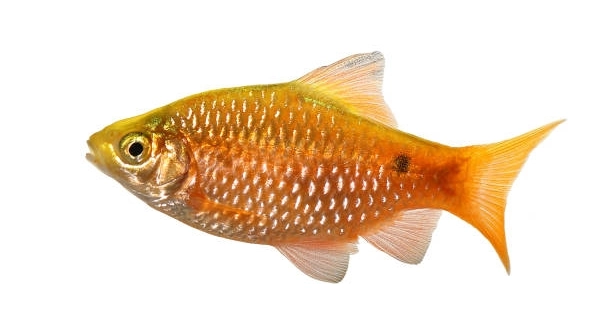
Is your rosy barb swimming slower than usual and leaving you concerned? Many fish owners notice this change and wonder what might be causing it. Slow swimming can indicate several underlying factors that affect your fish’s well-being.
Rosy barbs swimming in slow motion are often experiencing stress, illness, or environmental issues. Factors such as poor water quality, inappropriate temperature, low oxygen levels, or infections commonly lead to decreased activity and lethargy in these fish.
Understanding the causes behind this behavior will help you take better care of your rosy barb and improve its overall health in your aquarium.
Common Causes of Slow Swimming in Rosy Barbs
Several factors can slow down your rosy barb’s swimming. Poor water quality is one of the main issues, often caused by excess waste, uneaten food, or infrequent water changes. These conditions create toxins like ammonia and nitrites that harm the fish. Another factor is temperature. Rosy barbs prefer water between 64°F and 72°F. Water outside this range can stress them, reducing their activity. Low oxygen levels can also cause sluggish behavior. Overcrowding the tank or poor filtration reduces oxygen availability. Additionally, diseases or parasites can weaken your fish, making them less active. Signs of illness include faded colors, clamped fins, or unusual spots. Finally, sudden changes in the environment, like moving the tank or new decorations, can make your fish uneasy and slow down temporarily.
Addressing these issues quickly helps your fish regain normal swimming behavior and improves their health.
Keeping the tank clean and maintaining stable conditions prevents most swimming problems in rosy barbs.
Rosy barbs need consistent care to stay active. Regular water tests help catch harmful chemicals early. Using a reliable filter and performing partial water changes weekly keeps the environment stable. Monitoring temperature with a heater or cooler ensures it stays in the proper range. Oxygen levels improve with aeration devices or live plants. If disease is suspected, isolate the fish and consult a vet or experienced aquarist for treatment options. Avoid overcrowding by providing enough space for each fish. Small changes in the tank setup should be introduced gradually to reduce stress. Observing your fish daily allows you to spot changes in behavior quickly. This simple routine supports your rosy barb’s health and activity.
How to Improve Your Rosy Barb’s Swimming
Slow swimming can be improved by adjusting the tank conditions. Ensuring clean water, proper temperature, and adequate oxygen is the first step. Treating any illnesses promptly will also help the fish recover faster.
To improve your rosy barb’s swimming, start by testing the water for ammonia, nitrite, and nitrate levels. Perform partial water changes of about 25% weekly to reduce toxins. Maintain water temperature between 64°F and 72°F using an aquarium heater or cooler as needed. Add an air pump or increase surface agitation to boost oxygen levels. Check the tank’s stocking density and reduce the number of fish if overcrowded. Observe your fish for signs of disease such as spots or unusual behavior. Quarantine sick fish and apply appropriate medication recommended by experts. Introduce any new tank elements slowly to avoid stress. These steps create a healthy environment, allowing your rosy barb to swim actively and comfortably again.
Monitoring Your Rosy Barb’s Behavior
Slow swimming can signal that your rosy barb needs attention. Watch for changes in appetite, color, and activity levels to catch problems early. Regular observation helps you respond before issues worsen.
Daily checks of your fish’s behavior and appearance are important. Look for signs like loss of appetite, hiding, or unusual spots. These symptoms often indicate stress or illness. Keeping a log of behavior changes can help identify patterns or triggers. Early detection allows timely intervention, preventing more serious health problems. Sometimes, slow swimming results from temporary stress, but consistent symptoms require action. Watching your rosy barb closely ensures you can provide care when needed, helping it recover faster.
Changes in behavior often link to environmental shifts or health issues. Adjusting tank conditions or treating illness promptly can restore normal activity. Maintaining a calm, stable environment supports recovery and well-being.
Importance of a Balanced Diet
A healthy diet plays a crucial role in your rosy barb’s activity. Proper nutrition supports energy levels and immune function. Poor diet can lead to lethargy and health problems.
Feeding your rosy barb a varied diet rich in proteins, vitamins, and minerals promotes vitality. Use high-quality flakes or pellets designed for tropical fish, supplemented with occasional live or frozen foods like brine shrimp or bloodworms. Avoid overfeeding, as excess food pollutes the water and stresses the fish. Feeding small amounts twice daily is ideal. A balanced diet helps maintain vibrant colors, strong immune systems, and active swimming. Neglecting diet can cause sluggishness, making your fish prone to disease. Consistent feeding routines contribute to your fish’s overall health and behavior.
Tank Size and Environment
Rosy barbs need enough space to swim freely. A small or overcrowded tank can limit movement and cause stress. Proper tank size supports healthy activity and reduces slow swimming.
A minimum of 20 gallons is recommended for a small group of rosy barbs. More space helps maintain water quality and provides room for natural behavior. Overcrowding increases waste and lowers oxygen, which can make your fish sluggish. Including plants and hiding spots creates a comfortable environment. This setup encourages regular swimming and reduces stress.
Water Changes and Maintenance
Regular water changes keep the tank clean and stable. Removing 20–30% of water weekly helps control toxins and improves fish activity.
Signs of Illness in Rosy Barbs
Watch for symptoms like clamped fins, spots, and unusual swimming patterns. These indicate possible illness needing prompt care.
When to Seek Professional Help
If slow swimming persists despite adjustments, consulting an aquatic vet or specialist is important for proper diagnosis and treatment.
Why is my rosy barb swimming slowly after adding new fish?
When new fish are introduced, your rosy barb might swim slowly due to stress. Changes in the environment and new tankmates can cause anxiety. This reaction is temporary if the tank conditions remain stable and fish adjust well. Keeping the tank quiet and maintaining proper water parameters helps reduce stress quickly.
Can poor water quality cause slow swimming?
Yes, poor water quality is a common reason for sluggish behavior. High levels of ammonia, nitrites, or nitrates affect fish health. Testing the water regularly and performing partial water changes help maintain a safe environment and encourage normal activity.
Is water temperature related to slow swimming?
Absolutely. Rosy barbs thrive in water between 64°F and 72°F. Temperatures outside this range can reduce metabolism, causing slow movements. Using a heater or cooler to maintain a stable temperature supports healthy swimming patterns.
Could my rosy barb be sick?
Slow swimming can indicate illness, especially if combined with other signs like clamped fins, faded colors, or spots. Parasites, bacterial infections, and fungal diseases often cause lethargy. Prompt treatment improves recovery chances.
How often should I test the water?
Testing weekly is recommended to catch harmful chemical changes early. More frequent tests might be needed if problems arise or after introducing new fish or plants.
What should I feed my rosy barb to improve activity?
A balanced diet with high-quality flakes, pellets, and occasional live or frozen foods like brine shrimp boosts energy and health. Avoid overfeeding to prevent water pollution and related stress.
Can overcrowding affect my fish’s swimming?
Yes, overcrowded tanks limit space and oxygen, leading to sluggish swimming. Maintaining recommended stocking levels ensures each fish has enough room and oxygen to stay active.
How do I know if my tank is overcrowded?
A general rule is one inch of fish per gallon of water, but rosy barbs need extra space. Observe behavior; frequent hiding or sluggishness may indicate overcrowding.
Are plants necessary for rosy barbs?
Plants provide hiding spots and help oxygenate the water. They create a natural environment that reduces stress and encourages normal swimming.
Will slow swimming fix itself over time?
If caused by temporary stress or minor environmental changes, slow swimming may improve naturally. However, persistent issues usually require intervention.
Should I quarantine new fish?
Quarantining new fish for at least two weeks before adding them to the main tank helps prevent disease transmission and reduces stress for all fish.
Can sudden changes in tank setup affect swimming?
Yes, rearranging decorations or changing water parameters quickly can cause stress and slow swimming. Gradual adjustments are better for your fish’s comfort.
Is low oxygen a problem for rosy barbs?
Low oxygen reduces energy and activity. Using aerators, filters, or plants improves oxygen levels and supports healthy swimming.
How do I treat a sick rosy barb?
Identify symptoms early and consult aquatic health resources or professionals. Treatments may include medications for parasites, bacteria, or fungi and improving water conditions.
Can lighting affect rosy barb activity?
Proper lighting mimics natural day and night cycles, supporting normal behavior. Too much or too little light can cause stress and inactivity.
What role does tank maintenance play?
Regular cleaning and water changes prevent toxin buildup, supporting your rosy barb’s health and activity levels.
Is it normal for rosy barbs to rest occasionally?
Yes, resting is natural. However, prolonged inactivity or slow swimming should be monitored for possible health or environmental issues.
How long does it take for rosy barbs to adjust to a new tank?
Adjustment can take days to weeks. During this time, slow swimming and hiding are common but should improve with stable conditions.
Can stressful tankmates cause slow swimming?
Aggressive or overly active fish may stress rosy barbs, causing them to swim less. Choose compatible species to reduce stress.
What signs show my rosy barb is healthy and active?
Bright colors, regular swimming, responsive behavior, and good appetite are positive signs of health and activity.
Rosy barbs swimming slowly can be a sign of several underlying factors. It is important to pay close attention to the environment and care routines in your aquarium. Slow swimming is often related to water quality, temperature, or oxygen levels. Ensuring these basic needs are met can prevent many issues. Regular water tests and maintenance help maintain a stable and healthy habitat for your fish. Consistency in these areas supports your rosy barb’s natural activity and well-being.
Diet and tank size also play important roles in your fish’s energy levels. A balanced diet rich in essential nutrients keeps rosy barbs healthy and active. Overfeeding or poor-quality food can lead to sluggish behavior. The size of the tank matters because rosy barbs need enough space to swim freely. Overcrowding can cause stress and reduce oxygen levels, both of which slow down their movements. Providing a proper environment with enough room, plants, and hiding places encourages natural swimming patterns.
If slow swimming continues despite good care, it may indicate illness or stress. Observing your fish daily and looking for other signs like color changes or unusual behavior helps catch problems early. Sometimes, illnesses require medication or professional advice. Making gradual changes and monitoring your rosy barb’s response supports recovery. Maintaining good care habits and responding promptly to signs of distress will improve your fish’s quality of life and help keep it swimming actively.

Hello,
If you enjoy the content that we create, please consider saying a "Thank You!" by leaving a tip.
Every little bit helps us continue crafting quality advice that supports the health, happiness, and well-being of pets around the world, for pets of all shapes, sizes, and species.
We really appreciate the kindness and support that you show us!