
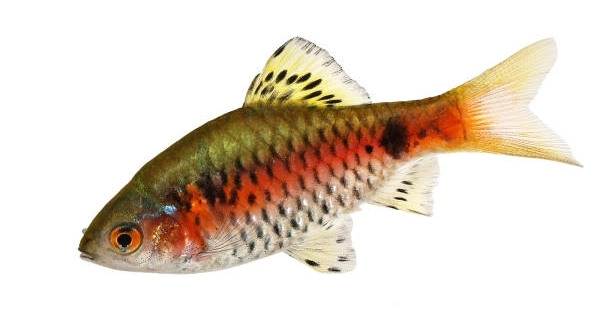
Are your rosy barbs swimming in sudden, jerky movements that seem unusual? Many fish owners notice this behavior and wonder what might be causing it. This article will explore the common reasons behind these erratic swimming patterns.
Jerky swimming in rosy barbs is often caused by stress, poor water quality, or parasites. Sudden changes in the tank environment or infections can disrupt their normal movement, making the fish appear restless or uncoordinated. Addressing these issues usually helps restore healthy swimming behavior.
Understanding why your fish behave this way can help improve their care and environment. These insights will support your efforts in keeping your rosy barbs happy and healthy.
Common Causes of Jerky Swimming in Rosy Barbs
Jerky swimming in rosy barbs is usually a sign that something is off in their environment or health. Stress is one of the main reasons these fish swim erratically. Stress can come from overcrowding, sudden changes in water temperature, or even loud noises nearby. Poor water quality is another big factor. High levels of ammonia, nitrites, or nitrates irritate the fish and affect their swimming patterns. Parasites and infections can also cause jerky movements, as the fish try to relieve discomfort. Sometimes, poor diet or a lack of minerals in the water weakens their muscles and coordination. Watching closely for any other signs, such as clamped fins or faded color, can help pinpoint the exact cause.
Maintaining stable tank conditions and monitoring water quality regularly can reduce jerky swimming.
Taking quick action to improve water and check for illness will often restore normal behavior in your rosy barbs.
Stress Factors Affecting Rosy Barbs
Stress triggers many changes in fish behavior, including jerky swimming.
Stress can result from sudden shifts in tank temperature or pH levels, overcrowding, or aggressive tank mates. These changes overwhelm the fish, causing nervous or twitchy movements. Shipping and handling stress may also cause similar issues soon after introducing new fish. When stressed, rosy barbs lose energy and focus, making their swimming uneven. It is important to maintain a calm, stable environment with proper hiding spaces and compatible fish. Regular water changes and avoiding sudden disruptions help keep stress low. When fish are calm, their swimming becomes smooth again.
If stress is not addressed, it can lead to illness, making jerky swimming worse and harder to fix.
How to Improve Water Quality for Rosy Barbs
Water quality is critical to the health of rosy barbs and their swimming behavior. Poor water conditions irritate the fish’s skin and gills, causing discomfort and strange movements. It is essential to test water regularly for ammonia, nitrites, nitrates, and pH levels. Keeping ammonia and nitrites at zero is the goal, while nitrates should remain low. Partial water changes of 20-30% weekly help keep these levels in check. Also, make sure the tank is properly cycled before adding fish. Avoid overfeeding, which can pollute the water quickly. Good filtration and aeration are important to maintain oxygen levels. When the water stays clean and stable, rosy barbs swim naturally without jerks or spasms.
Checking water parameters and acting fast at the first signs of imbalance will support your fish’s health and ease their swimming issues.
Parasites and Infections
Parasites and infections cause discomfort that leads to jerky swimming. These problems often affect the skin and gills of rosy barbs.
Parasites like ich or flukes irritate the fish and make them swim erratically. Infections caused by bacteria or fungi also affect movement by weakening the fish or causing swelling. Symptoms can include flashing (rubbing against objects), faded colors, and clamped fins. If left untreated, infections worsen and can be fatal. Proper diagnosis and treatment with medication are essential to stop the jerky movements.
Regular tank maintenance, quarantine of new fish, and observing behavior help prevent parasites and infections. Early treatment improves recovery chances and restores smooth swimming.
Diet and Nutrition
An unbalanced diet affects muscle strength and coordination, causing jerky swimming.
Rosy barbs need a varied diet with protein, vitamins, and minerals for good health. Feeding only flakes or low-quality food can lead to nutrient deficiencies. These deficiencies weaken muscles and nervous systems, resulting in poor swimming control. Including live or frozen foods, such as brine shrimp or bloodworms, supports energy and muscle function. Feeding small amounts several times a day is better than one large meal. Proper nutrition also boosts the immune system, helping fish resist illness that may cause erratic swimming.
Adjusting the diet improves movement and overall vitality. Healthy fish swim with more ease and grace.
Overcrowding and Tank Size
Overcrowding causes stress and poor water quality, leading to jerky swimming. Rosy barbs need enough space to swim freely.
A larger tank with proper filtration helps reduce stress and keeps water clean. Providing enough room improves fish health and movement.
Sudden Changes in Environment
Sudden changes in temperature, pH, or lighting can shock rosy barbs. These changes disrupt their normal swimming behavior.
Stable conditions help maintain calm and steady swimming patterns. Gradual adjustments prevent stress and erratic movements.
Muscle or Nervous System Issues
Jerky swimming can result from muscle weakness or nervous system problems. These issues may come from injury or illness.
Observing for other signs like lethargy or loss of balance can help identify serious health problems needing veterinary care.
Why is my rosy barb swimming in jerky patterns?
Jerky swimming in rosy barbs is often caused by stress, poor water quality, or parasites. Sudden changes in tank conditions or infections can upset their normal swimming. Muscle or nervous system problems may also affect their movement. Identifying the exact cause is key to fixing the behavior.
How can I tell if my rosy barb is stressed?
Signs of stress include hiding, loss of color, clamped fins, and rapid breathing. Jerky swimming is a common stress indicator. Stress often comes from overcrowding, poor water quality, or aggressive tank mates. Keeping the tank stable and calm helps reduce stress.
What water parameters are best for rosy barbs?
Rosy barbs thrive in temperatures between 68°F and 78°F, with a pH of 6.5 to 7.5. Ammonia and nitrite levels must be zero, and nitrates kept low. Regular water testing and partial water changes maintain these conditions and support healthy swimming.
Can parasites cause jerky swimming?
Yes. Parasites like ich irritate the fish’s skin and gills, causing discomfort and jerky movements. Infections also disrupt swimming. Watch for white spots, flashing (rubbing on objects), or clamped fins. Treatment with proper medication is necessary to stop the issue.
How often should I clean my tank to prevent jerky swimming?
A weekly partial water change of 20-30% helps keep water clean. Overfeeding and overcrowding can pollute the tank quickly, so avoid those. Cleaning the filter regularly also supports water quality. Good maintenance prevents problems that cause jerky swimming.
Can diet affect my rosy barb’s swimming?
Yes. Poor nutrition weakens muscles and the nervous system, leading to jerky movements. Feed a varied diet with quality flakes, frozen, or live foods like brine shrimp. Proper nutrition keeps fish strong and their swimming smooth.
Is overcrowding a problem for rosy barbs?
Overcrowding increases stress and reduces water quality, both of which cause jerky swimming. Rosy barbs need about 10 gallons of water per fish for enough space to swim freely. Providing a spacious tank reduces stress and promotes healthy behavior.
What should I do if my fish has muscle or nervous system problems?
Observe for additional signs like loss of balance, lethargy, or abnormal posture. These may indicate serious illness or injury. Consult a veterinarian or experienced fish specialist for diagnosis and treatment. Early care improves the chances of recovery.
Can sudden environmental changes affect rosy barb swimming?
Yes. Rapid shifts in temperature, lighting, or water chemistry shock the fish, causing jerky swimming. Make all changes slowly and carefully. Stable conditions help fish stay calm and swim normally.
How do I quarantine new fish to avoid infections?
Quarantine new fish in a separate tank for at least two weeks before adding them to the main tank. This prevents introducing parasites or diseases that cause jerky swimming. Observe new arrivals closely and treat any signs of illness before mixing tanks.
Will jerky swimming improve on its own?
Sometimes minor stress or changes cause temporary jerky movements that improve with stable conditions. However, if jerky swimming persists, it likely indicates a health or environmental problem. Addressing the root cause is necessary to restore normal swimming.
Can jerky swimming be a sign of aging?
Older fish may swim less smoothly due to natural muscle decline or nervous system changes. Still, jerky swimming is usually linked to treatable issues like stress or disease. Monitoring overall health helps distinguish aging effects from other problems.
Jerky swimming in rosy barbs is a common issue that usually points to problems in their environment or health. Stress, poor water quality, parasites, or diet deficiencies are the main causes to consider. Paying attention to how your fish behave and checking your tank regularly can help catch problems early. It’s important to keep the water clean and stable, provide enough space, and feed a balanced diet. These simple steps create a healthy environment where your rosy barbs can swim smoothly and comfortably.
If your rosy barb is swimming in jerky patterns, it’s best to take action quickly. Start by testing the water for harmful chemicals like ammonia and nitrites and make sure temperature and pH levels are steady. Look closely for signs of parasites or infections, such as white spots or rubbing behavior, and treat them with proper medication if needed. Avoid overcrowding by giving your fish enough room and a calm tank environment. Stress can affect fish more than many realize, so keeping the tank peaceful and stable is key.
Remember, jerky swimming is often a symptom, not the problem itself. Finding the cause takes time and patience, but improving conditions will help your fish return to normal behavior. Regular tank maintenance, a good diet, and careful observation are the best tools to keep rosy barbs healthy and happy. Taking these steps shows care and helps ensure your fish enjoy a long, comfortable life in your aquarium.

Hello,
If you enjoy the content that we create, please consider saying a "Thank You!" by leaving a tip.
Every little bit helps us continue crafting quality advice that supports the health, happiness, and well-being of pets around the world, for pets of all shapes, sizes, and species.
We really appreciate the kindness and support that you show us!