
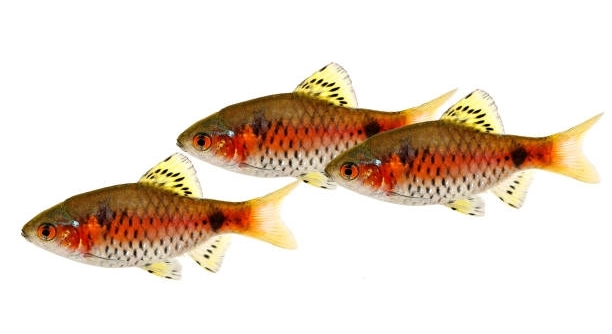
Many aquarium owners notice their rosy barb swimming in a figure eight pattern. This behavior can be surprising and raise concerns about the fish’s health or environment. Understanding the reasons behind it helps ensure proper care.
The figure eight swimming pattern in rosy barbs is often a sign of stress, irritation, or a response to environmental factors such as water quality or tank mates. It may also indicate underlying health issues like parasites or swim bladder problems, requiring attention.
Recognizing the causes of this behavior allows you to create a healthier environment for your fish and maintain their well-being in the aquarium.
Common Causes of Figure Eight Swimming
Rosy barbs swimming in a figure eight pattern usually react to stress or discomfort in their environment. Changes in water quality, such as improper pH levels or ammonia buildup, can make fish swim oddly. Overcrowded tanks or aggressive tank mates may also cause them to swim in unusual patterns as they try to avoid conflict. Additionally, internal problems like swim bladder disorders or parasites can affect their balance and movement. These health issues often lead to erratic swimming, including the figure eight pattern. Observing your fish carefully helps determine if environmental factors or health concerns are involved. Regular water tests and maintaining proper tank conditions reduce stress and encourage normal behavior. When fish swim in circles, it is often a sign that something is not quite right, so acting quickly can prevent more serious problems.
Maintaining clean water and checking tank conditions are key to preventing figure eight swimming behaviors.
Addressing the cause early, whether it is stress or illness, ensures your rosy barb remains healthy. If the behavior persists despite a good environment, consulting a vet or aquatic specialist is recommended. Monitoring for other symptoms like loss of appetite or visible marks can help pinpoint health issues. It is important to isolate sick fish to prevent spreading diseases. Correcting swim bladder problems might require dietary adjustments or medication. In all cases, patience and careful observation are essential to help your fish return to normal swimming patterns.
How to Improve Your Rosy Barb’s Environment
Improving water quality is the most effective way to reduce stress-related swimming behaviors. Consistent water changes and proper filtration help keep the tank clean and stable. Using a water test kit allows you to monitor key levels like ammonia, nitrite, and nitrate. Ensuring the tank is not overcrowded also decreases stress and aggressive interactions. Adding plants or hiding spots provides security and comfort for your fish, helping them feel safe. Temperature should be kept steady and within the ideal range for rosy barbs, usually between 64°F and 72°F (18°C to 22°C). Regularly cleaning the tank and avoiding sudden changes in water conditions support your fish’s overall health. Observing the behavior of all tank inhabitants can reveal sources of stress that affect your rosy barb.
Taking these steps creates a more balanced and calm environment for your fish, reducing figure eight swimming patterns significantly. Fish respond well to stable, clean, and comfortable surroundings, which promote their natural behavior.
Recognizing Health Issues in Rosy Barbs
Changes in swimming behavior often indicate health problems. Look for signs like clamped fins, pale colors, or lethargy alongside figure eight swimming. These symptoms help identify if your rosy barb is unwell.
Parasites and infections can disrupt your fish’s balance and cause abnormal swimming. Swim bladder disease is a common issue affecting buoyancy and movement. Both require prompt treatment to prevent worsening. If your fish shows other symptoms such as difficulty eating or visible spots, it likely needs medical attention. Early detection increases the chances of successful recovery. Keeping your fish healthy depends on observing these signs closely and acting quickly.
Treating health problems may involve medications or water adjustments. Isolating affected fish prevents spreading illnesses to others. Maintaining a clean tank environment supports healing and reduces stress.
Preventing Stress in Your Aquarium
Stress in fish can stem from sudden changes, poor water quality, or aggressive tank mates. Avoid overcrowding and maintain consistent tank conditions to reduce stress levels. Stable environments help fish feel secure.
Providing hiding spaces and plants gives rosy barbs a sense of safety, reducing anxiety. Feeding a balanced diet and avoiding overfeeding also supports their well-being. Regular monitoring of water parameters and behavior allows early action if stress signs appear. Stress weakens fish immune systems, making them prone to diseases, so prevention is key. Creating a calm and stable habitat encourages natural behavior and improves overall health.
Proper care and attention prevent stress-induced behaviors like figure eight swimming and promote a thriving aquarium community.
When to Seek Professional Help
If your rosy barb continues swimming in a figure eight despite good water quality and tank conditions, it may need professional care. Persistent abnormal behavior often signals underlying health problems that require expert diagnosis.
Veterinarians specializing in fish can offer proper treatment options. Early intervention improves recovery chances and prevents complications.
Diagnosing Swim Bladder Issues
Swim bladder disorders affect buoyancy, causing your fish to swim sideways or in circles. These problems often result from infections, constipation, or injury. Treatment involves adjusting diet, improving water quality, or using medication. Observing your fish’s overall behavior helps identify the severity of the issue. Consistent care and monitoring are essential for recovery.
Adjusting Diet for Better Health
Feeding your rosy barb a balanced diet supports swim bladder health and reduces abnormal swimming behaviors. Avoid overfeeding and include fiber-rich foods.
FAQ
Why is my rosy barb swimming in a figure eight?
This behavior often indicates stress, irritation, or a health issue like swim bladder problems or parasites. It can also be a response to poor water conditions or aggressive tank mates. Identifying the cause early is important for your fish’s well-being.
How can I improve my tank’s environment for my rosy barb?
Regular water changes, proper filtration, and monitoring water parameters like ammonia, nitrite, and pH are essential. Avoid overcrowding and provide hiding spots with plants. Keeping temperature stable within 64°F to 72°F supports your fish’s comfort.
Could diet affect my rosy barb’s swimming behavior?
Yes. Overfeeding or a poor diet can cause constipation, which impacts the swim bladder. Feeding high-quality flakes or pellets with occasional fiber-rich foods like peas helps maintain digestive health and normal swimming.
What signs suggest my rosy barb has a swim bladder disorder?
Symptoms include difficulty maintaining balance, swimming sideways or upside down, and erratic movements such as figure eight patterns. Reduced appetite or lethargy may also occur. Prompt treatment improves recovery chances.
Should I isolate my fish if it swims oddly?
Isolating a fish showing unusual behavior helps prevent potential disease spread. It also reduces stress from tank mates and allows you to monitor its condition closely while administering treatment if needed.
Can poor water quality cause abnormal swimming?
Yes, poor water quality causes stress and health problems that affect swimming behavior. Ammonia and nitrite buildup, incorrect pH, or temperature fluctuations are common triggers. Maintaining clean, balanced water is critical.
How often should I test my aquarium water?
Testing water weekly is recommended, especially for ammonia, nitrite, nitrate, and pH levels. More frequent checks may be needed if your fish show signs of stress or illness.
Are aggressive tank mates responsible for figure eight swimming?
Aggressive or territorial fish can stress rosy barbs, causing erratic swimming. Ensuring compatible tank mates and enough space reduces conflict and abnormal behavior.
Can medication help with figure eight swimming?
If a health issue like parasites or swim bladder infection is confirmed, medication prescribed by an aquatic specialist or vet can be effective. Always follow instructions carefully to avoid harming the fish.
What steps can I take if the figure eight swimming continues?
Review tank conditions, improve water quality, and check diet first. If behavior persists, consult an aquatic veterinarian for diagnosis and treatment options. Early intervention is key to preventing further health decline.
Is figure eight swimming always a sign of illness?
Not always. Sometimes it is caused by temporary stress or environmental factors. However, if the behavior lasts more than a day or is combined with other symptoms, it likely indicates a health problem.
How can I prevent my rosy barb from developing swim bladder issues?
Avoid overfeeding and provide a balanced diet. Keep water conditions stable and clean. Regular observation helps catch early signs of problems before they worsen.
Does tank size affect rosy barb behavior?
Small or overcrowded tanks increase stress and aggressive behavior, which may cause abnormal swimming. Rosy barbs thrive best in larger tanks with sufficient swimming space.
What role do hiding places play in preventing stress?
Plants and decorations create safe spaces for fish to retreat when stressed. This reduces anxiety and discourages erratic swimming patterns like figure eight movements.
Can temperature changes cause figure eight swimming?
Sudden or extreme temperature changes disrupt fish metabolism and cause stress, leading to unusual swimming. Keeping a stable temperature within the recommended range is essential.
Is it normal for rosy barbs to swim in circles occasionally?
Occasional circling may happen but persistent figure eight swimming is not normal. Continuous abnormal movement should be addressed promptly to ensure health.
How do I know if my fish’s behavior is due to stress or illness?
Stress-related swimming usually occurs alongside environmental triggers and may improve with better conditions. Illness often shows additional symptoms like discoloration, lethargy, or loss of appetite.
Can changing tank mates help with abnormal swimming?
Yes, introducing more peaceful fish or removing aggressive ones can reduce stress. Compatibility is important to maintain a calm and healthy aquarium.
What’s the best way to feed rosy barbs to avoid digestive issues?
Feed small amounts two to three times daily and remove uneaten food. Including occasional vegetables like boiled peas aids digestion and swim bladder health.
Are there any natural remedies for swim bladder problems?
Some keepers use fasting followed by fiber-rich foods to relieve constipation-related swim bladder issues. However, persistent or severe cases require professional treatment.
Final Thoughts
Understanding why your rosy barb swims in a figure eight is important for providing the best care. This behavior often signals stress or health issues that need attention. Watching your fish closely helps you catch problems early before they become serious. Simple steps like checking water quality, ensuring proper tank conditions, and feeding a balanced diet can make a big difference in your fish’s behavior and overall health. Taking these measures keeps your aquarium environment stable and comfortable for your rosy barb.
Sometimes figure eight swimming is caused by swim bladder problems or parasites. These issues affect your fish’s balance and movement. When this happens, treatment may be needed to help your fish recover. Isolating sick fish from the rest of the tank prevents diseases from spreading and reduces stress. Providing a clean environment and proper care during recovery is crucial. Always observe your fish for other signs of illness, such as loss of appetite or discoloration, to better understand their condition.
Preventing stress is one of the best ways to avoid abnormal swimming behaviors. Stable water conditions, compatible tank mates, and enough space to swim reduce anxiety for rosy barbs. Adding plants and hiding spots gives your fish a safe place to rest. Feeding the right amount and type of food also supports their health. Maintaining these good practices creates a peaceful habitat where your rosy barb can thrive and swim naturally. Consistent care and attention are key to a happy, healthy fish.

Hello,
If you enjoy the content that we create, please consider saying a "Thank You!" by leaving a tip.
Every little bit helps us continue crafting quality advice that supports the health, happiness, and well-being of pets around the world, for pets of all shapes, sizes, and species.
We really appreciate the kindness and support that you show us!