
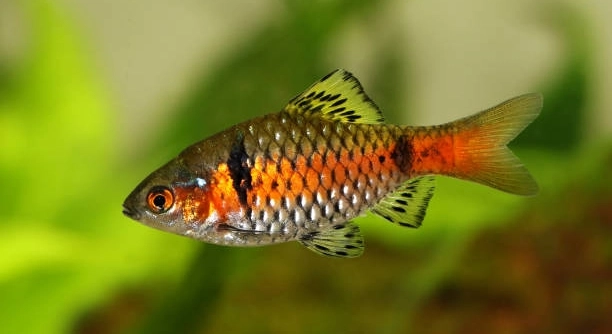
Is your once-active rosy barb now spending most of the day hiding instead of swimming around its tank like it used to?
The most common reason a rosy barb suddenly starts hiding is stress caused by changes in the tank environment. These changes may include new tank mates, sudden shifts in water parameters, or a lack of hiding spaces.
Learning what may be triggering your fish’s behavior can help you create a more comfortable setup and prevent further issues.
Common Causes of Hiding Behavior
Rosy barbs often hide when something in their tank upsets them. Changes in water temperature or pH can cause stress that makes them seek shelter. Adding new fish without a slow introduction can create tension and make shy fish retreat. Overfeeding can cloud water and reduce oxygen, pushing barbs into hiding spots. Bright lighting without shaded areas leaves no safe space to rest. Lack of plants or decorations removes cover that makes them feel secure. Even sudden noise or vibration by the tank can send them fleeing under rocks. These factors all play a role in making a fish feel unsafe. Paying attention to each detail in the environment can reduce hiding and restore normal swimming behavior. I have seen my own barbs come out once the tank conditions were balanced and comfortable again. Using regular checkups and gentle care helps them feel more at ease in any aquarium setting.
Stable water quality is vital for rosy barbs to feel comfortable. Testing parameters weekly and performing partial water changes keeps toxins low. Consistent temperature and pH levels prevent sudden shock. Simple tools like test strips or kits can make a big difference in maintaining a healthy habitat for your fish.
Providing adequate hiding spots gives rosy barbs a sense of security. Dense plants, caves, and floating leaves create shaded areas where fish can rest. Position decorations at different levels to offer multiple retreats. Avoid overcrowding by limiting the number of tank mates and giving each fish enough room. Soft substrate and smooth stones reduce injury risk when fish dart into cover. Moderate lighting with dimmable fixtures or a timer can simulate natural day and night cycles. Adjustments like these let rosy barbs feel in control of their environment and encourage them to swim more openly once they trust their space.
Steps to Create a Calm Environment
Adding gentle filtration and avoiding sudden changes can help rosy barbs feel safe. Quiet pumps, soft current, and a stable feeding routine reduce stress. Observing their behavior daily lets you spot issues early and adjust care promptly for a happier, more confident fish population.
Start by testing water parameters for ammonia, nitrite, nitrate, pH, and temperature using reliable kits. Record results and compare them to recommended levels for rosy barbs. If readings are off, perform small, frequent water changes until values stabilize. Next, arrange plants and decorations to create varied hiding spots at different heights. Live or silk plants, driftwood, and ceramic caves work well. Introduce new tank mates slowly, ideally by using a separate quarantine tank or floating a sealed bag to equalize water parameters. Feed high quality flakes or pellets twice daily in small amounts to avoid excess waste. Remove uneaten food after a few minutes. Keep the filter cleaned on a monthly schedule and replace cartridge media as needed. Use a gentle sponge or brush to prevent strong currents. Light the tank for eight to ten hours per day, and consider adding a dimmer or timer. Monitor fish behavior during feeding and rest periods. If barbs still hide, adjust one factor at a time and observe their response. Consistency in care routines and a structured approach will help your rosy barbs feel secure and display their natural, active behavior. Regular checks and minor adjustments support healthy fish and sustained tank balance.
Behavioral Changes to Watch For
If your rosy barb is hiding more than usual, look for other changes like reduced appetite, clamped fins, or pale coloring. These signs often appear when the fish is unwell or stressed, and they shouldn’t be ignored.
Rosy barbs are usually active swimmers, so staying near the bottom or behind plants for long periods is unusual. If you notice your fish avoiding light, skipping meals, or swimming with jerky movements, it’s likely responding to discomfort. Some barbs may also become more aggressive or shy depending on their environment. Keeping track of when the hiding started can help link the behavior to a specific cause like a recent tank change or new fish. Make sure nothing is blocking access to food or creating strong currents. Being observant is key to solving the issue before it becomes more serious.
If hiding is paired with rapid breathing or visible spots on the body, illness may be involved. Fin rot, ich, or fungal infections often cause fish to retreat from other tank mates. It’s important to check for white patches, torn fins, or excess mucus. If needed, move the fish to a quarantine tank and treat with the proper medication. Using a separate space lets you treat the problem without risking the rest of your tank. Clean the main tank regularly and keep water stable to avoid further outbreaks. I once had a rosy barb hide non-stop, and after spotting signs of ich, a week of treatment helped it bounce back and swim freely again. Early care can make all the difference.
When to Be Concerned
Hiding now and then is normal, especially after tank cleanings or during changes. But if your rosy barb stays hidden for days, refuses food, or seems weak, it’s time to take a closer look and act quickly.
A stressed or sick fish often gives off subtle signs at first, but these can get worse if not addressed. Watch how often the fish interacts with others, where it hides, and if it responds during feeding. If your barb doesn’t come out at all, even during mealtime, or shows signs like gasping near the surface, don’t wait too long. Double-check water quality, check for injuries or infections, and think about any recent changes to the tank setup. If multiple fish begin to show similar signs, the issue may be affecting the entire tank. Isolating the problem early and treating it with care helps reduce long-term harm and keeps your fish safe.
Tank Mates and Territory
Rosy barbs are peaceful but can become stressed if kept with aggressive or overly active fish. Some tank mates may chase or nip at them, making them hide more often. Choose calm, compatible species to reduce this kind of tension in the tank.
Too many fish in a small space can cause constant competition for food and hiding spots. This creates stress, even among peaceful fish. Make sure your tank is large enough, with enough cover and swimming space. Rearranging decorations can also help reset territories and ease tension.
Lighting and Tank Placement
Bright lights without any shade can make rosy barbs uncomfortable, especially if the tank lacks hiding spots. Use floating plants or decorations to provide cover and reduce harsh lighting. Keep the tank in a calm area, away from foot traffic or loud noises that can make fish uneasy.
Feeding Patterns
Skipping meals or spitting out food can be signs of stress or illness. Offer food at the same time each day and watch how your fish reacts. A healthy rosy barb will show interest and eat promptly. Changes in appetite often mean something in the tank needs attention.
FAQ
Why is my rosy barb hiding after a water change?
Sudden changes in water temperature, pH, or chemical levels during a water change can cause stress, making your rosy barb hide. Even small shifts can impact their comfort. If the new water is too cold or too warm, it may shock them. Using a thermometer helps avoid temperature swings. Also, if you clean too much at once, you might remove beneficial bacteria or disturb the tank balance. I’ve noticed that partial changes done slowly with conditioned water work best. Keep lighting soft during and after changes, and give your fish time to adjust.
Can one aggressive fish cause hiding in others?
Yes, one territorial or aggressive fish can easily make others retreat. Rosy barbs are usually peaceful, but if they’re chased or nipped at, they’ll hide to avoid conflict. Watch for signs like torn fins or constant hovering in corners. I once had a single male that became too dominant during breeding season and scared the others into hiding. Separating that fish or rearranging the tank helped restore balance. It’s also useful to observe feeding times—if one fish hogs all the food, it might be bullying the rest.
Is it normal for rosy barbs to hide during breeding?
Yes, hiding can happen during breeding, especially if one fish is stressed or being chased too much. Males sometimes become persistent, and females may hide to avoid the attention. Providing more plants and caves helps reduce stress during this time. When I noticed this behavior in my tank, I added more hiding spaces and it made a big difference. After spawning, the fish often return to normal behavior. Make sure you separate fry or eggs if you want to avoid accidental loss, as adults may eat them.
How long is too long for a rosy barb to hide?
If your rosy barb hides for more than two or three days, especially during feeding, something could be wrong. Occasional hiding is normal, but long-term withdrawal means they’re likely uncomfortable. It could be water issues, sickness, or tank aggression. Look for other clues like faded color, fast breathing, or signs of injury. Early care can prevent the problem from getting worse. If needed, test water, clean the tank gently, and isolate the fish for observation. I usually notice improvement within a few days if I act quickly.
What should I do if all my rosy barbs are hiding?
When all rosy barbs in a tank hide, it’s usually tied to a major issue like poor water quality, loud surroundings, or strong lighting. First, test the water and check the temperature. If that’s fine, look at external factors like noise, vibrations, or tank placement. Sometimes something as simple as a nearby speaker can disturb them. I once had to move my tank to a quieter corner of the room, and within hours, the fish were more active. Always rule out illness or injury, and check for sudden changes in routine or feeding.
Do rosy barbs need a specific number of tank mates to feel safe?
Yes, rosy barbs are schooling fish and do best in groups of at least five or six. Keeping too few can cause stress and lead to hiding. They feel safer in numbers and show more natural behavior when they’re not alone. In small groups, they may become nervous or aggressive. I started with just two and noticed both were skittish—once I added more, they began swimming openly and interacting more. A proper group gives them a sense of security and helps reduce stress-driven hiding.
Can poor diet cause hiding?
While less common, a poor diet can affect a rosy barb’s energy and mood, making them less active and more likely to hide. If the food lacks variety or is low in quality, it can lead to weakness or digestive issues. Avoid overfeeding, and make sure they get a balanced mix of flakes, pellets, and the occasional frozen or live treat. When I improved their diet by rotating in brine shrimp and daphnia once a week, I saw more activity and better color in my fish. A healthy diet supports healthy behavior.
Should I worry if my new rosy barb hides all the time?
Not right away. New fish often hide as they adjust to a different environment. It can take a few days for them to feel safe. Keep the lights dim, avoid loud activity near the tank, and give them space. Gradually, they’ll become more active. Just be sure the tank is cycled, the water is clean, and there are no aggressive tank mates. I’ve found that offering food quietly and consistently helps new arrivals settle in faster. If hiding continues for over a week, then it’s time to look deeper into possible causes.
Final Thoughts
Rosy barbs are active fish that usually enjoy exploring their tank and swimming in groups. When they suddenly start hiding all day, it often means something in their environment is off. It could be poor water conditions, tank aggression, bright lighting, or even loud sounds nearby. Changes in behavior should be taken seriously, especially when they last for several days. Paying attention to how your fish act during feeding, where they spend most of their time, and how they interact with others will help you catch problems early. Most issues can be fixed with small adjustments, as long as they’re addressed quickly and calmly.
Creating a calm and stable tank is the best way to keep your rosy barbs healthy and happy. Make sure the water stays clean and within the right range for temperature and pH. Provide enough hiding spots using plants, rocks, or driftwood, so your fish always feel secure. Keep the lighting soft and avoid placing the tank in a high-traffic or noisy area. Feed a balanced diet and avoid overfeeding, which can lead to poor water quality. Watching your fish daily and noting any unusual changes is one of the easiest ways to stay on top of their needs. A calm environment supports natural behavior, and fish will be more likely to swim openly and interact with each other.
If hiding continues even after changes are made, don’t be discouraged. It can take time for fish to adjust, especially after stress or illness. Keep observing their behavior and make one change at a time so you can see what helps. If you’re unsure, it’s okay to reach out to other aquarists or a local fish expert for help. Owning fish is a learning process, and each tank has its own rhythm. With some patience and attention, most rosy barbs return to their active selves once they feel safe again. A peaceful tank setup, regular care, and a bit of observation go a long way in helping your fish thrive.

Hello,
If you enjoy the content that we create, please consider saying a "Thank You!" by leaving a tip.
Every little bit helps us continue crafting quality advice that supports the health, happiness, and well-being of pets around the world, for pets of all shapes, sizes, and species.
We really appreciate the kindness and support that you show us!