
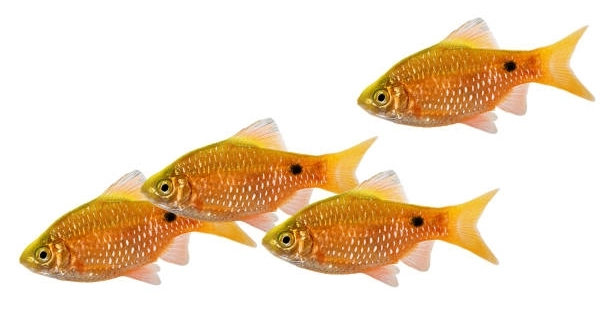
Is your Rosy Barb spending most of its day in one spot without much movement? This behavior can be concerning for fish owners who want their pets to be active and healthy. Understanding why your fish acts this way is important for their care.
Rosy Barbs may stay in one spot due to stress, illness, poor water conditions, or lack of stimulation. Monitoring their environment and health is crucial to identify the cause and ensure they remain active and comfortable in their tank.
Learning about the reasons behind this behavior will help you create a better environment for your Rosy Barb. This guide will cover common causes and simple steps to improve your fish’s well-being.
Common Reasons Your Rosy Barb Might Be Staying Still
When a Rosy Barb stays in one spot for long periods, several factors could be influencing this behavior. Poor water quality is a leading cause, as fish are very sensitive to changes in their environment. High ammonia, nitrite, or nitrate levels can make them uncomfortable and less active. Another reason might be stress from overcrowding or aggressive tank mates. Illness or parasites also cause lethargy, which should be checked carefully. Temperature fluctuations can impact fish activity, so maintaining stable, appropriate water temperature is essential. Finally, a lack of stimulation in the tank can cause your Rosy Barb to appear bored or inactive. Adding plants, hiding spots, and proper lighting encourages natural swimming and exploration.
Checking water parameters and observing your fish closely helps identify these issues. Regular maintenance and ensuring a calm environment are key to keeping your Rosy Barb healthy and active.
Understanding these factors early on allows you to take proper steps and improve your fish’s overall quality of life.
How to Improve Your Rosy Barb’s Activity
Improving your Rosy Barb’s activity starts with creating the right environment. Clean water, stable temperature, and plenty of space help encourage movement.
Providing enrichment, such as plants and decorations, offers hiding spots and areas to explore. Avoid overcrowding, as it can stress your fish and limit their activity. Feeding a balanced diet also supports energy levels. Observing your fish daily will let you spot any health problems early. Taking these steps makes your tank more inviting and supports your Rosy Barb’s natural behavior.
Signs of Illness to Watch For
Lethargy and staying in one spot can be signs of illness in your Rosy Barb. Look for changes in color, clamped fins, or loss of appetite. These symptoms often indicate health issues that need prompt attention.
If your fish shows signs of illness, quarantining it can prevent spreading diseases to other tank mates. Common infections include bacterial, fungal, and parasitic diseases. Maintaining clean water and stable conditions supports recovery. Sometimes medication may be necessary, but early detection is key for successful treatment. Keep monitoring your fish closely to catch problems before they worsen.
Regular observation and quick action improve your Rosy Barb’s chances of recovery. If symptoms persist, consulting a vet or fish specialist can provide tailored advice and treatment options to restore your fish’s health.
The Role of Tank Environment
A proper tank environment is essential for your Rosy Barb’s activity and well-being. Water quality must be regularly tested to keep ammonia, nitrites, and nitrates at safe levels. These chemicals build up quickly and stress fish.
Temperature stability is just as important. Rosy Barbs thrive in temperatures between 64°F and 72°F (18°C–22°C). Fluctuations can cause stress and inactivity. Providing hiding places, plants, and open swimming areas creates a balanced habitat that encourages natural behavior. Lighting should mimic a natural day/night cycle, as too much or too little light can affect fish health and activity. Maintaining a clean, comfortable tank helps your Rosy Barb stay active and healthy.
Stress Factors Affecting Rosy Barbs
Stress can cause Rosy Barbs to become inactive and stay in one spot. Overcrowded tanks or aggressive tank mates often lead to stress.
Sudden changes in water parameters or temperature also trigger stress, making fish less likely to swim around.
Importance of Proper Diet
A balanced diet keeps Rosy Barbs energetic and healthy. Feeding high-quality flakes, pellets, and occasional live or frozen foods provides necessary nutrients.
Avoid overfeeding, as leftover food pollutes the water and may harm your fish’s health.
Tank Mates Impact
Rosy Barbs do best with peaceful, similarly sized fish. Aggressive or very active tank mates may intimidate them, causing inactivity or hiding.
Choosing compatible tank mates helps your Rosy Barb feel secure and more active.
When to Seek Professional Help
If your Rosy Barb continues to stay inactive despite changes, a professional checkup is recommended.
FAQ
Why is my Rosy Barb staying in one spot all day?
Your Rosy Barb may be staying still due to stress, illness, poor water quality, or lack of stimulation. Fish are sensitive to their environment, so any imbalance can cause them to be less active. Observing other signs and checking water conditions helps identify the cause.
Can poor water quality cause Rosy Barbs to be inactive?
Yes, poor water quality is a common reason for inactivity. High ammonia, nitrites, or nitrates irritate fish and reduce their energy levels. Regular water testing and maintenance are essential to keep water parameters safe for your Rosy Barb.
What symptoms indicate my Rosy Barb might be sick?
Look for faded colors, clamped fins, slow movement, loss of appetite, or unusual spots or growths. These symptoms often signal illness or parasites. Early detection and treatment improve chances of recovery.
How often should I test my tank water?
Testing your tank water once a week is a good routine. Frequent testing helps catch harmful changes early, especially in new tanks or if fish show unusual behavior.
Can temperature affect my Rosy Barb’s activity?
Yes, temperature plays a big role. Rosy Barbs prefer stable temperatures between 64°F and 72°F (18°C–22°C). Sudden drops or spikes can stress them and cause lethargy. Using a heater and thermometer keeps the tank stable.
Should I quarantine a sick Rosy Barb?
Quarantining sick fish prevents spreading diseases to others. It also allows you to treat your Rosy Barb in a controlled environment. Use a separate tank with similar water conditions for best results.
What can I feed my Rosy Barb to keep it healthy?
A balanced diet of high-quality flakes or pellets, supplemented with live or frozen foods like bloodworms or brine shrimp, supports health and energy. Variety helps provide necessary nutrients.
Is overfeeding harmful to Rosy Barbs?
Yes, overfeeding leads to leftover food, which pollutes the water and can cause health problems. Feed small amounts once or twice daily, only as much as they can eat in a few minutes.
Can tank mates cause my Rosy Barb to be inactive?
Aggressive or overly active tank mates can stress Rosy Barbs, causing them to hide or stay still. Choose peaceful, similarly sized fish to create a comfortable environment.
How can I encourage my Rosy Barb to swim more?
Providing plants, hiding spots, and open swimming areas creates stimulation. Maintaining good water quality and stable conditions also encourages natural movement. Avoid overcrowding and aggressive fish.
When should I consult a vet or fish specialist?
If your Rosy Barb shows persistent inactivity, illness signs, or worsens despite care, professional advice is recommended. Early intervention improves recovery chances.
Can changes in lighting affect my Rosy Barb’s behavior?
Yes, improper lighting can cause stress or lethargy. Mimicking natural day/night cycles with 8-12 hours of light helps regulate behavior and promotes activity.
How important is tank size for Rosy Barbs?
Tank size matters. Rosy Barbs need at least 20 gallons to swim freely. Small tanks limit movement and increase stress, which can lead to inactivity.
Is it normal for Rosy Barbs to rest during the day?
Rosy Barbs do rest but should not stay in one spot for long periods. Extended stillness often indicates a problem needing attention.
What routine maintenance helps keep Rosy Barbs active?
Regular water changes, gravel cleaning, filter checks, and monitoring water parameters keep the environment healthy. Consistent care supports fish activity and well-being.
When a Rosy Barb stays in one spot all day, it can be a sign that something is affecting its comfort or health. Fish rely heavily on their environment to feel safe and active. Factors such as water quality, tank mates, temperature, and diet all play a role in their behavior. Making sure these conditions are ideal is the first step in helping your Rosy Barb return to normal activity levels. Regularly checking water parameters and keeping the tank clean creates a healthy space where your fish can thrive.
Stress is another important factor to consider. Rosy Barbs are social and active fish that need room to swim and places to hide. Overcrowding or aggressive tank mates can cause stress, leading to inactivity. Adding plants or decorations can give your fish a sense of security and encourage movement. Also, maintaining a consistent day-night light cycle helps regulate their natural rhythms. When your fish feels safe and comfortable, it is more likely to swim around and show its true colors.
Finally, health issues may be causing your Rosy Barb to stay still. Illness, parasites, or injury can make fish lethargic. Paying close attention to any changes in appearance or behavior will help catch problems early. If needed, isolating the fish and consulting a specialist can make a big difference. Taking time to observe and adjust your care routine supports your Rosy Barb’s well-being and ensures it lives a happy, active life in your tank.

Hello,
If you enjoy the content that we create, please consider saying a "Thank You!" by leaving a tip.
Every little bit helps us continue crafting quality advice that supports the health, happiness, and well-being of pets around the world, for pets of all shapes, sizes, and species.
We really appreciate the kindness and support that you show us!