
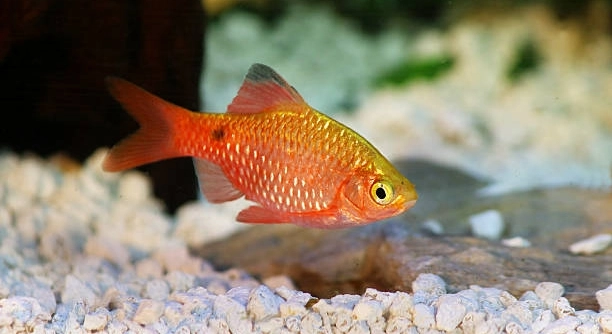
Many rosier barb owners notice their fish shaking or trembling, which can be puzzling and a bit concerning. This behavior might seem unusual, but it is actually quite common among these lively fish. Understanding why it happens can help keep your fish healthy and happy.
Rosy barbs shake their bodies mainly due to stress, irritation from parasites, or changes in water quality. These factors affect their comfort and health, causing involuntary body movements as a response to discomfort or environmental issues.
Knowing the reasons behind this shaking helps you better care for your rosy barb and maintain a stable tank environment for its well-being.
Common Causes of Rosy Barb Shaking
Shaking in rosy barbs often comes from stress caused by their environment. Poor water quality is one of the main reasons. When water is dirty or has wrong pH levels, fish feel uncomfortable and start shaking. Sudden changes in temperature can also cause this behavior, as rosy barbs prefer stable, moderate temperatures. Another cause is irritation from parasites or skin infections. These small pests can make the fish itchy and restless, leading to shaking. Overcrowding in the tank may add stress because fish compete for space and resources. Lack of hiding spots can also make them feel unsafe. It’s important to regularly check water conditions, keep the tank clean, and provide a comfortable environment to reduce stress. Watching for any signs of illness or injury helps catch problems early before shaking becomes a bigger issue.
Proper tank care is essential to prevent shaking caused by stress and poor conditions.
Knowing these causes helps you take better steps to keep your rosy barb calm and healthy.
Parasites and Their Effects on Rosy Barbs
Parasites can cause noticeable irritation and discomfort for rosy barbs. They attach to the skin or gills, leading to constant shaking or rubbing against objects. Parasite infestations may also weaken the fish’s immune system, making them more vulnerable to other diseases. Treatment usually involves adding medication to the water or removing affected fish temporarily. It’s important to identify parasites early and act quickly, as severe infestations can be harmful. Keeping the tank clean and quarantining new fish can help prevent parasites from spreading. Proper diet and stable water conditions also support the fish’s ability to fight infections. Observing your fish daily for unusual behavior like shaking or flashing will help catch parasites before they cause serious problems.
Regular maintenance and quick action are key to managing parasite-related shaking.
By addressing parasites, you protect your fish and maintain a healthy aquarium environment.
Water Quality Issues
Poor water quality causes stress and shaking in rosy barbs. High ammonia, nitrite, or nitrate levels irritate their skin and gills.
Regular water testing is important to keep ammonia and nitrites at zero and nitrates low. Changing 25% of the water weekly helps maintain a clean environment. Overfeeding should be avoided since leftover food decomposes and worsens water quality. Using a good filter and ensuring proper aeration also improves water conditions. Clean water keeps your fish calm and healthy, reducing shaking caused by discomfort.
Monitoring water temperature and pH is also important. Sudden changes in these factors can trigger shaking. Stable conditions are key to keeping your rosy barb comfortable and less stressed in its tank.
Stress and Environment
Stress in rosy barbs often comes from overcrowded tanks or aggressive tank mates. Too many fish reduce swimming space and increase competition.
Providing enough hiding spots with plants or decorations helps them feel secure. Also, avoid sudden loud noises or vibrations near the aquarium. These disturbances can cause the fish to shake or dart nervously. Keeping a consistent light schedule supports their natural rhythms and reduces stress.
Temperature swings can also stress fish. Maintaining the water temperature between 68–75°F suits rosy barbs best. Consistency in care routines creates a stable environment, which prevents shaking and keeps your fish happy and active.
Nutritional Deficiencies
Lack of proper nutrients can cause shaking in rosy barbs. A poor diet weakens their immune system and energy levels.
Feeding a balanced diet with quality flakes, pellets, and occasional live or frozen foods supports their health. Variety is important to prevent deficiencies and keep them strong.
Signs of Illness to Watch For
Shaking often comes with other symptoms like clamped fins, loss of appetite, or discoloration. These signs suggest illness needing attention. Early treatment improves chances of recovery.
Treatment Options
Medications designed for common fish diseases help control parasites and infections. Always follow dosage instructions carefully. Quarantining sick fish prevents spread.
Tank Maintenance
Regular cleaning and water changes prevent many causes of shaking. Keeping the tank environment stable supports your fish’s well-being.
FAQ
Why is my rosy barb shaking but still eating?
Shaking while eating usually means mild stress or irritation but not a severe illness. Your fish might feel uncomfortable due to slight changes in water quality or tank conditions. As long as it continues eating well and shows no other symptoms like spots or lethargy, it’s likely managing minor stress. Keep checking the water parameters and watch for any worsening signs.
Can shaking be a sign of stress from new tank mates?
Yes, introducing new fish can cause stress, leading to shaking. Rosy barbs are active and social but can feel threatened by aggressive or very different species. Make sure your tank isn’t overcrowded and that new fish are compatible. Adding plants or decorations helps create hiding spots, reducing stress and shaking.
Is water temperature related to shaking in rosy barbs?
Water temperature plays a big role. Sudden drops or rises in temperature shock fish and cause shaking. Rosy barbs prefer stable temperatures between 68 and 75°F. Use a reliable heater and thermometer to maintain a steady environment. Avoid placing the tank near drafts or heating vents.
How often should I test my tank water?
Testing water weekly is a good routine. Check ammonia, nitrites, nitrates, and pH levels to catch problems early. Poor water quality irritates fish, causing shaking and other health issues. Use a reliable test kit and keep a record of your results to track changes over time.
Can poor diet cause shaking in rosy barbs?
Yes, a poor diet lacking essential nutrients weakens fish and may cause shaking. Feed a balanced mix of flakes, pellets, and occasional live or frozen foods. Variety supports immune health and energy. Avoid overfeeding, which can pollute the tank and stress your fish.
What treatments help if parasites cause shaking?
Medications designed for external parasites can reduce irritation and shaking. Always follow dosage instructions carefully and treat the whole tank if needed. Quarantine new fish before adding them to prevent parasite spread. Keep water clean to support healing.
Should I isolate a shaking rosy barb?
If shaking comes with other symptoms like lethargy, loss of appetite, or visible wounds, isolating the fish can help prevent disease spread and allow focused treatment. Use a quarantine tank with similar water conditions and monitor closely.
Can shaking happen during breeding?
Sometimes, shaking can occur during spawning due to excitement or stress. This is usually short-term and not harmful. Ensure the tank has enough space and hiding spots. After spawning, watch for any signs of illness or persistent shaking.
How do I reduce stress in my rosy barb’s tank?
Keep the tank clean with regular water changes and proper filtration. Maintain stable temperature and water chemistry. Avoid overcrowding and choose peaceful tank mates. Adding plants and decorations gives your fish places to hide and feel safe.
When should I seek professional help?
If shaking persists despite good water quality, proper diet, and a calm environment, or if your fish shows severe symptoms like gasping, severe discoloration, or injuries, consult a vet or experienced aquarist. Early professional advice can prevent worsening health problems.
Rosy barbs shaking their bodies can be worrying to see, but it is often a sign that something in their environment needs attention. Stress, poor water quality, parasites, or illness are common reasons behind this behavior. Paying close attention to the tank conditions, such as keeping the water clean and stable, helps reduce shaking. Regular water changes, testing water parameters, and maintaining a balanced temperature create a comfortable home for your fish. It is important to avoid sudden changes in the tank that could cause stress, like adding too many new fish at once or changing the water too quickly.
Feeding your rosy barbs a nutritious and varied diet supports their overall health and helps prevent shaking caused by nutritional problems. Quality flakes, pellets, and occasional treats like live or frozen foods give them the vitamins and minerals they need. Overfeeding should be avoided since it can pollute the tank and harm water quality. Watching your fish daily for changes in behavior or appearance is helpful in catching problems early. If shaking is accompanied by other signs like clamped fins, loss of appetite, or visible spots, it may be time to consider treatment or professional advice.
Taking care of rosy barbs means providing a stable and safe environment where they can swim and interact freely. Hiding spots made from plants or decorations help reduce stress and give them a sense of security. When shaking does happen, checking the tank and fish carefully helps identify the cause and how to fix it. By keeping the tank clean, feeding well, and monitoring your fish, you can reduce shaking and help your rosy barbs live healthier, happier lives.

Hello,
If you enjoy the content that we create, please consider saying a "Thank You!" by leaving a tip.
Every little bit helps us continue crafting quality advice that supports the health, happiness, and well-being of pets around the world, for pets of all shapes, sizes, and species.
We really appreciate the kindness and support that you show us!