
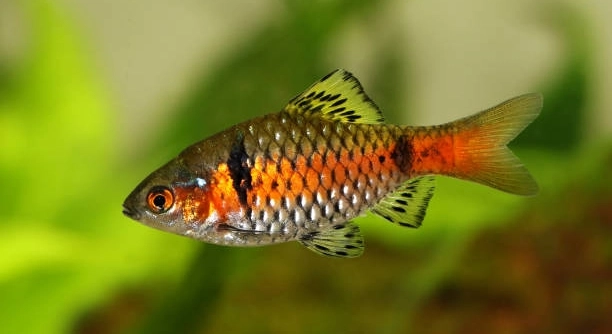
Is your Rosy Barb spending a lot of time resting behind the filter? Many fish owners notice this behavior and wonder what it means. Understanding why your fish chooses this spot can help ensure its well-being and comfort in the tank.
Rosy Barbs often rest behind the filter due to seeking shelter, reduced stress, or cooler water flow. This area provides a safe environment where they feel secure and can recover from fatigue or mild health issues.
Knowing why your Rosy Barb prefers this resting place can help you maintain a healthier, happier aquarium environment for your fish. This article will explain the common reasons behind this behavior.
Reasons Rosy Barbs Rest Behind the Filter
Rosy Barbs may rest behind the filter for several reasons. One common cause is that this area provides shelter from strong light or tank activity. Fish sometimes need a quiet, less exposed spot to feel safe. The water flow near the filter can also create a cooler, more oxygenated environment. If the tank temperature is too warm, your Rosy Barb might choose this spot to regulate its body temperature. Additionally, resting behind the filter can be a way to avoid other aggressive fish or to recover from stress. Sometimes, illness or fatigue can cause a fish to seek a safe resting place where it is less disturbed. Checking water quality, temperature, and tank mates helps determine if the behavior is normal or a sign of a problem.
The filter area can be a refuge, especially during tank disturbances or changes in water conditions.
Being aware of these reasons helps in creating a stable environment where your Rosy Barb feels secure and healthy. Monitoring tank conditions regularly can prevent stress-related hiding behavior.
How to Improve Your Fish’s Environment
Keeping the tank clean and maintaining stable water parameters is essential. Make sure the temperature is appropriate for Rosy Barbs, generally between 64°F and 72°F (18°C to 22°C). Installing plants or decorations that provide hiding spots can reduce stress, so your fish won’t rely only on the filter area for shelter. Ensure the filter is functioning well but not creating too strong a current, as excessive flow can tire the fish. Regular observation helps spot early signs of illness or discomfort. If your Rosy Barb rests behind the filter often and shows signs of lethargy, poor appetite, or discoloration, consider testing water quality and consulting a vet or fish expert. Small adjustments to the tank can make a big difference in your fish’s behavior and health.
Common Health Issues Linked to Hiding Behavior
Resting behind the filter can sometimes signal health problems. Fish that are sick often seek quiet, safe places to recover. Signs like clamped fins, loss of appetite, or unusual swimming patterns should not be ignored.
Illnesses such as ich, fin rot, or internal parasites may cause your Rosy Barb to hide. Poor water quality or sudden changes in temperature can weaken the immune system, making the fish more vulnerable. Stress from overcrowding or bullying by tank mates can also push your fish to seek refuge behind the filter. Monitoring behavior alongside water parameters helps identify if health issues are causing this hiding. Prompt treatment can prevent more serious problems and improve recovery chances.
If you suspect your fish is unwell, isolating it in a hospital tank is a good step. This allows for better monitoring and easier treatment. Regular water tests and tank maintenance are essential to prevent recurring health problems.
Managing Tank Environment to Reduce Stress
Stress is a major reason Rosy Barbs rest behind the filter. Overcrowded tanks or aggressive neighbors cause constant pressure. Poor water quality and sudden changes add to the problem. Maintaining stable water conditions and proper tank size is crucial.
Providing plenty of plants and hiding spots creates a comfortable environment, reducing the need for the fish to retreat behind the filter. Ensure the filter flow is balanced—not too strong or weak. Keeping compatible species together helps prevent bullying. Regular water changes and proper feeding schedules also support fish well-being. Stress reduction improves activity and encourages your Rosy Barb to explore the whole tank, not just the safe corners.
Importance of Water Quality
Poor water quality is a common reason Rosy Barbs hide behind the filter. High levels of ammonia, nitrites, or nitrates stress fish and force them to seek refuge. Regular testing and water changes are essential to keep these levels safe.
Maintaining clean water supports overall fish health. Using a reliable filter and avoiding overfeeding reduces waste buildup. This creates a stable environment where your Rosy Barb feels comfortable and less likely to hide.
Signs Your Rosy Barb Is Stressed
Stress in Rosy Barbs can show as faded colors, rapid breathing, or hiding more than usual. These signs indicate the need for immediate attention to tank conditions or social dynamics. Acting early prevents health decline.
Adjusting Filter Placement and Flow
Sometimes, the filter’s location or strong water flow pushes your Rosy Barb behind it. Adjusting the filter’s position or reducing the flow can encourage the fish to explore more of the tank.
When to Consult a Specialist
If your Rosy Barb continues hiding and shows signs of illness, professional advice is recommended. A vet or experienced aquarist can provide proper diagnosis and treatment options.
FAQ
Why is my Rosy Barb hiding behind the filter all the time?
Your Rosy Barb may hide behind the filter because it feels safer there. This area can offer shelter from bright lights, strong tank activity, or aggressive tank mates. It might also be cooler or have better oxygen levels. If hiding is frequent, check water quality and tank conditions to rule out stress or illness.
Is it normal for Rosy Barbs to rest behind the filter occasionally?
Yes, occasional resting behind the filter is normal behavior. Fish often seek calm areas for short breaks. However, if your Rosy Barb spends most of its time there, it could indicate stress, poor water conditions, or health issues.
Can poor water quality cause my Rosy Barb to hide?
Absolutely. High ammonia, nitrite, or nitrate levels irritate fish and make them seek refuge. Poor water quality stresses fish and weakens their immune system, increasing hiding behavior. Regular water testing and maintenance help prevent this problem.
Could the filter flow be bothering my Rosy Barb?
Strong water flow near the filter can tire your fish or make swimming difficult. Rosy Barbs might hide behind the filter to escape the current. Adjusting the filter’s output or relocating it to reduce flow intensity often helps.
How do I know if my Rosy Barb is sick or stressed?
Signs include clamped fins, faded color, loss of appetite, lethargy, or unusual swimming patterns. Hiding more than usual is also a red flag. If these signs appear, test water quality and consider consulting a specialist for diagnosis and treatment.
Is overcrowding causing my Rosy Barb to hide?
Yes, overcrowding increases stress and competition for space. Aggressive tank mates may bully your Rosy Barb, pushing it to hide. Providing enough room and compatible tank mates reduces stress and encourages normal activity.
Can temperature affect where my Rosy Barb rests?
Temperature plays a role. Rosy Barbs prefer 64°F to 72°F (18°C to 22°C). If the tank is too warm, they may rest behind the filter where cooler water flows. Maintaining stable temperature helps reduce hiding.
Should I isolate my Rosy Barb if it keeps hiding?
Isolation can be useful if your fish is sick or stressed. A hospital tank allows easier monitoring and targeted treatment. However, isolation should be done carefully to avoid additional stress.
Will adding plants reduce hiding behavior?
Yes, live or artificial plants provide natural hiding spots, reducing the need for fish to retreat behind the filter. Plants also improve water quality and create a more comfortable environment.
How often should I test my aquarium water?
Testing water weekly is a good practice. Frequent checks for ammonia, nitrite, nitrate, and pH help catch problems early and maintain a healthy environment for your Rosy Barb.
Can diet affect my Rosy Barb’s activity?
A balanced diet keeps fish healthy and active. Poor nutrition weakens immune response and increases hiding. Feeding a variety of high-quality flakes, pellets, and occasional live or frozen foods supports well-being.
What can I do if my Rosy Barb hides due to bullying?
Separate aggressive fish or rearrange the tank to break territories. Providing plenty of hiding places and adding compatible species can reduce aggression and stress.
Is hiding always bad for Rosy Barbs?
Not always. Hiding is a natural behavior for safety and rest. Problems arise only when hiding becomes excessive or linked to health issues. Observing your fish’s overall behavior helps determine if intervention is needed.
How long does it take for a stressed Rosy Barb to recover?
Recovery time depends on the cause and treatment. Minor stress may improve within days after correcting conditions. Illness recovery can take weeks with proper care. Patience and consistent tank maintenance are essential.
Can sudden changes in tank conditions trigger hiding?
Yes, sudden changes like water parameter shifts, new tank mates, or rearranging decorations can stress fish. Gradual changes and careful monitoring minimize stress and hiding behavior.
Resting behind the filter is a behavior often seen in Rosy Barbs and other aquarium fish. It can be a normal part of how they interact with their environment, providing them with shelter and a sense of safety. However, it is important to pay attention to how often and under what conditions your fish chooses this spot. Frequent hiding or resting behind the filter can signal underlying issues such as stress, poor water quality, or health problems. Observing your fish closely alongside maintaining good tank conditions helps in understanding whether this behavior is harmless or needs attention.
Maintaining stable water quality is one of the most important steps in keeping Rosy Barbs healthy and comfortable. Regular testing for ammonia, nitrites, nitrates, and pH ensures the water stays within safe levels. Cleaning the tank and performing water changes prevent harmful build-up that can cause discomfort or illness. Besides water quality, tank environment also matters. Providing enough space, proper temperature, and hiding spots allows your fish to feel secure without relying only on the filter area. Managing the filter flow is also useful since strong currents can tire or stress the fish, pushing them to seek refuge behind the filter.
Stress and illness are common reasons behind hiding behavior in Rosy Barbs. If the fish shows signs of lethargy, loss of appetite, or changes in appearance, action is needed. Isolating the fish in a hospital tank and consulting an expert can help diagnose and treat health problems. Reducing stressors such as overcrowding or aggressive tank mates also improves their behavior and overall well-being. Keeping a close eye on your Rosy Barb and maintaining a stable, clean environment will help your fish stay active, healthy, and enjoy a better quality of life in your aquarium.

Hello,
If you enjoy the content that we create, please consider saying a "Thank You!" by leaving a tip.
Every little bit helps us continue crafting quality advice that supports the health, happiness, and well-being of pets around the world, for pets of all shapes, sizes, and species.
We really appreciate the kindness and support that you show us!