
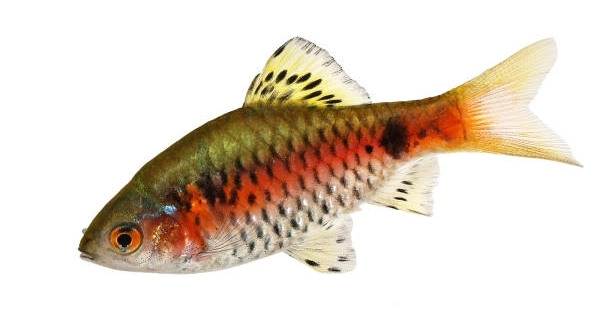
Many aquarium owners enjoy watching their Rosy Barbs swim actively around the tank. Sometimes, these fish may press their faces against the glass, which can seem unusual or concerning. Understanding this behavior can help maintain a healthy aquarium environment.
Rosy Barbs pressing their faces to the glass usually indicate stress, poor water quality, or irritation. This behavior may result from ammonia buildup, lack of oxygen, or discomfort caused by parasites or injury. Addressing tank conditions often resolves the issue.
Observing your fish’s habits closely provides important clues about their health and tank environment. The following information will help you identify causes and take the right steps.
Common Reasons Rosy Barbs Press Their Faces to the Glass
When Rosy Barbs press their faces to the glass, it often signals discomfort or stress. Poor water quality is a frequent cause. High levels of ammonia, nitrites, or nitrates can irritate the fish’s skin and gills, making them seek relief near the glass surface. Inadequate oxygen levels in the tank also push fish toward areas where oxygen might be slightly higher. Another reason could be illness or parasites causing irritation, leading to unusual behavior like rubbing against surfaces. Sometimes, aggressive tank mates stress Rosy Barbs, causing them to hide or act abnormally. Proper tank maintenance, including regular water testing and changes, helps keep the environment healthy and reduces these behaviors.
Keeping your aquarium clean and stable is essential for your Rosy Barbs’ well-being. Consistent monitoring prevents many common issues.
Properly addressing water quality and tank conditions can restore your fish’s normal behavior and improve their health significantly.
How to Improve Water Quality for Your Rosy Barbs
Regular water testing is the first step in maintaining a healthy environment. Use a reliable test kit to check ammonia, nitrite, and nitrate levels weekly. Performing partial water changes—about 20 to 30 percent weekly—helps remove harmful toxins and refresh the tank. Avoid overfeeding, as leftover food decomposes and worsens water quality. Proper filtration is crucial; make sure your filter is suitable for your tank size and clean it regularly to maintain flow. Adding live plants can also help absorb excess nutrients and improve oxygen levels. By maintaining good water conditions, you reduce stress and promote healthy behavior in your Rosy Barbs, preventing them from pressing their faces against the glass. Regular upkeep creates a stable and comfortable home for your fish.
Identifying Signs of Stress in Rosy Barbs
Stress in Rosy Barbs can show through several behaviors beyond pressing their faces to the glass. They may become lethargic, lose appetite, or swim erratically. Color fading and clamped fins are also common signs. Noticing these signs early helps prevent serious health issues.
Stress usually results from poor water conditions, overcrowding, or aggressive tank mates. It weakens the fish’s immune system, making them vulnerable to disease. Frequent observation allows for timely intervention. Adjusting tank setup, improving water quality, and ensuring proper nutrition can reduce stress. Avoid sudden changes in environment or temperature, as these can increase stress levels.
Providing hiding places with plants or decorations can help shy or stressed Rosy Barbs feel secure. Balancing tank conditions promotes calmer behavior and better overall health.
Common Tank Setup Mistakes Affecting Rosy Barbs
Overcrowding is a frequent mistake that stresses Rosy Barbs and leads to abnormal behavior. A tank that is too small or has too many fish causes competition for oxygen and space, raising stress levels. Proper stocking is essential for their comfort.
Inadequate filtration and poor water circulation also contribute to declining water quality. Without efficient filtration, waste and toxins build up quickly, harming fish health. Temperature fluctuations can stress Rosy Barbs since they prefer stable, moderate temperatures between 64°F and 72°F. Sudden changes disrupt their metabolism and behavior.
A well-planned tank includes enough space, proper filtration, and a consistent temperature. Regular maintenance and monitoring create a safe environment. Avoiding these common errors ensures your Rosy Barbs stay healthy and behave normally, reducing face-pressing behavior.
Parasites and Infections
Parasites and infections can cause irritation, leading Rosy Barbs to press their faces against the glass. Common issues include external parasites like ich or bacterial infections. These conditions often cause itching or discomfort.
Treating the tank promptly with appropriate medication helps stop the irritation and prevent further health problems.
Monitoring Oxygen Levels
Oxygen levels in the tank must be sufficient for your Rosy Barbs. Low oxygen can make them press against the glass near the water surface where oxygen is higher. Ensure good water movement and surface agitation to promote oxygen exchange.
Adding an air stone or adjusting the filter output can improve oxygen levels. Keep the tank well-aerated to support healthy fish behavior and prevent stress.
Nutrition and Diet
A balanced diet supports overall health and reduces stress-related behaviors. Feeding high-quality flakes, pellets, and occasional live or frozen foods keeps Rosy Barbs strong and active.
Overfeeding can pollute the water and cause problems, so feed small amounts twice a day and remove uneaten food promptly.
Tank Cleaning Routine
Regular tank cleaning is essential for maintaining water quality. Remove debris, clean the substrate, and perform partial water changes weekly to keep the environment healthy.
Consistent maintenance prevents toxin buildup and keeps your Rosy Barbs comfortable and healthy.
FAQ
Why is my Rosy Barb constantly pressing its face against the glass?
This behavior usually indicates stress or discomfort. Causes include poor water quality, low oxygen levels, parasites, or irritation. The fish might be trying to find relief from these conditions. Checking water parameters and tank environment is important to resolve this issue.
How do I know if the water quality is bad?
Test kits for ammonia, nitrites, and nitrates reveal water quality. High ammonia or nitrite levels are toxic to fish and cause irritation. Cloudy water or strong odors are signs of poor water quality. Regular water changes and filtration help maintain safe conditions.
Can overcrowding cause my Rosy Barb to press against the glass?
Yes, overcrowding increases stress, limits space, and reduces oxygen availability. These factors can cause unusual behaviors like face-pressing. Make sure the tank size is appropriate and avoid adding too many fish.
How often should I clean my tank?
A weekly cleaning routine is best. Partial water changes of 20-30%, substrate vacuuming, and filter checks keep the environment healthy. Avoid cleaning everything at once to preserve beneficial bacteria.
What temperature is ideal for Rosy Barbs?
Rosy Barbs thrive in temperatures between 64°F and 72°F (18°C–22°C). Stable temperatures within this range reduce stress and promote healthy behavior. Use an aquarium heater or cooler to maintain consistency.
Can parasites cause this behavior?
Yes. External parasites like ich or flukes cause itching and irritation. Fish may rub their faces on surfaces to relieve discomfort. Treat the tank with appropriate medication to remove parasites.
Is my Rosy Barb getting enough oxygen?
Low oxygen levels can make fish press near the water surface or glass. Ensure good water movement and surface agitation. Adding an air stone or adjusting the filter can improve oxygenation.
What should I feed my Rosy Barb?
Feed high-quality flakes or pellets designed for tropical fish. Supplement with live or frozen foods like bloodworms or brine shrimp occasionally. Feed small portions twice daily and remove uneaten food.
Can sudden changes in tank conditions cause stress?
Yes, rapid changes in temperature, water chemistry, or lighting stress fish. Maintain stable tank conditions to avoid shock and behavior changes like pressing against the glass.
How do I reduce stress for my Rosy Barbs?
Provide hiding spots using plants or decorations. Keep the tank clean and well-maintained. Avoid overcrowding and aggressive tank mates. Maintain stable water parameters and temperature.
Can tank mates cause this behavior?
Aggressive or territorial fish can stress Rosy Barbs, causing unusual actions. Monitor interactions and separate if necessary to protect your fish’s well-being.
Is face-pressing always a sign of illness?
Not always. It can result from temporary stress or irritation but can also indicate health problems. Observe other symptoms like lethargy, loss of appetite, or color changes to determine if treatment is needed.
How long does it take for Rosy Barbs to recover after water improvements?
Improvement times vary but often take several days to a week. Consistent water changes and better conditions usually lead to noticeable behavior improvements.
Are there specific medications safe for Rosy Barbs?
Yes, but always choose treatments labeled safe for tropical community fish. Avoid strong medications without proper guidance to prevent harming your fish.
What else can I do to keep my Rosy Barbs healthy?
Regular observation is key. Maintain a clean tank, stable water parameters, and a balanced diet. Address any changes in behavior quickly to prevent issues from worsening.
Final Thoughts
Keeping Rosy Barbs healthy requires attention to their environment and behavior. When you notice them pressing their faces against the glass, it is a sign that something in their tank needs care. Often, this behavior points to stress caused by poor water quality, low oxygen, or irritation from parasites. Regular water testing and maintenance are essential to prevent these problems. By ensuring the tank stays clean and well-filtered, you help create a comfortable space for your fish to thrive.
Stress can also come from factors like overcrowding or aggressive tank mates. Rosy Barbs need enough room to swim freely and peaceful companions to reduce tension. Maintaining a stable temperature between 64°F and 72°F supports their well-being. It is important to feed them a balanced diet with proper portions to avoid leftover food polluting the water. These small details contribute to a healthier, less stressful environment where your fish are less likely to exhibit unusual behaviors.
In summary, watching your Rosy Barbs closely and keeping their tank conditions steady will help prevent face-pressing and other signs of distress. Regular cleaning, proper stocking, and attention to water parameters create a stable habitat. If irritation or illness occurs, prompt treatment is necessary to restore their health. Taking these steps supports your fish’s happiness and longevity, making your aquarium a pleasant and peaceful place for both you and your Rosy Barbs.

Hello,
If you enjoy the content that we create, please consider saying a "Thank You!" by leaving a tip.
Every little bit helps us continue crafting quality advice that supports the health, happiness, and well-being of pets around the world, for pets of all shapes, sizes, and species.
We really appreciate the kindness and support that you show us!