
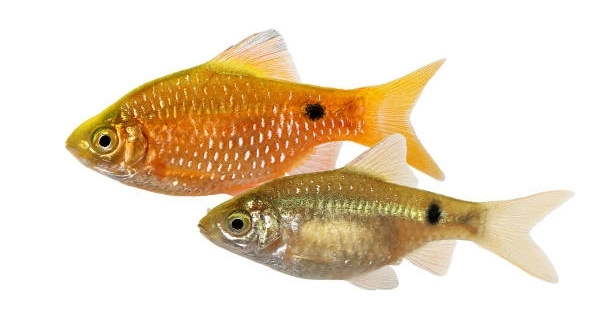
Have you ever noticed your rosy barb acting strangely in its tank, bumping against the glass with what seems like endless energy?
The most common reason your rosy barb is pecking the glass is stress from its environment. This behavior is typically a response to boredom, lack of stimulation, or seeing its reflection, which can trigger territorial instincts.
Understanding what’s behind this behavior will help you create a more comfortable and enriching tank for your fish.
Why Rosy Barbs Peck at Glass
Rosy barbs are active fish that need stimulation and space. When they peck at the glass, it’s often a sign that something in their environment isn’t meeting their needs. It can be due to a reflection, limited swimming space, or lack of enrichment. Sometimes, they mistake their reflection for another fish and react with aggression. Other times, they might be reacting to changes in water quality or trying to get your attention during feeding time. This behavior is not unusual, but it’s worth paying attention to. Consistent glass pecking can lead to stress or even injury if not addressed. Make sure their tank has enough space, hiding spots, and plants to keep them engaged. Providing variety in their environment can reduce repetitive behavior. A calm, clean, and enriched tank helps your rosy barb feel secure. Watching them swim and interact naturally is a sign of a healthy environment.
Keep in mind, this behavior is more common in tanks with minimal decorations or bare walls.
Reflections are a frequent cause. If the lighting or tank setup creates strong reflections, your rosy barb may think it’s another fish. Adding background paper or moving the light source can help reduce this.
How to Help Your Rosy Barb
Look closely at your tank setup. Are there enough hiding spots, plants, or decorations? Fish need stimulation just like other animals.
If your rosy barb is constantly pecking the glass, start by checking the water parameters. Test for ammonia, nitrite, nitrate, and pH. Poor water quality can stress fish and cause odd behaviors. Next, observe how your tank is decorated. Open tanks with little structure can cause boredom and stress. Add tall plants, driftwood, or stones to give your fish places to explore and rest. Try changing the lighting angle or using a background to cut down reflections. Also, consider whether your fish has tank mates. Rosy barbs are social and should be kept in small groups. Loneliness or dominance behavior can make them act out. Feeding routines also matter. Spread feeding times out and try different food types to keep them engaged. Even something as simple as rearranging decorations now and then can give your fish something new to explore.
Other Possible Reasons for Glass Pecking
Sometimes rosy barbs peck at the glass simply because they’re curious. They may be reacting to movement outside the tank or hoping for food. This behavior is not always a sign of distress, but it’s worth monitoring.
Rosy barbs are smart and observant. If they see movement near the tank, like people walking by or hands reaching for food containers, they may associate it with feeding. Over time, this can turn into repeated glass pecking as a way to get attention. It doesn’t mean something is wrong, but it could lead to stress if it happens too often. Make sure they’re fed consistently, and avoid sudden movements near the tank. Try to keep their surroundings calm and predictable. If the behavior continues, check other factors like tank size, water temperature, or even noise levels around the aquarium. All of these can influence how your fish behave.
Changes in tank mates can also lead to glass pecking. If you’ve recently added or removed fish, it might upset the balance. Rosy barbs may feel territorial or anxious in these situations. Keeping them in a peaceful group helps reduce stress. Watch how they interact with others. Aggression or chasing could be a sign that something isn’t right. Adjusting group sizes or rearranging decorations can sometimes help settle the group. Make sure all fish have space to swim and hide comfortably. Stress from social dynamics is often overlooked but can be a key cause of unusual behavior like glass pecking. Stability and consistency in the tank can go a long way in keeping your fish relaxed.
How to Prevent Repetitive Pecking
A well-balanced setup makes a big difference. Try adding plants, hiding spots, or gentle water movement to give your rosy barb more things to explore. Keeping a steady light cycle and regular feeding schedule also helps.
Enrichment can prevent boredom. Live or artificial plants provide hiding spots and natural breaks in the environment. Floating plants are especially helpful in reducing light reflection. Using darker substrate or background paper can minimize mirror-like effects on the tank walls. Try offering different types of food like flakes, pellets, or live treats. This keeps feeding time interesting and mentally stimulating. Rearranging decorations every few weeks also gives your fish something new to explore, without causing stress. If you suspect your rosy barb is reacting to its own reflection, adjusting the lighting or adding a background may help. Finally, keep your tank clean and monitor water quality. Clean water supports calm, healthy behavior and prevents unnecessary stress.
When to Be Concerned
If your rosy barb is pecking the glass constantly and seems restless, something may be off in the tank. Watch for signs like faded color, clamped fins, or hiding more than usual.
Unusual glass pecking paired with other behavior changes may signal stress or illness. Don’t ignore sudden changes in routine.
Monitoring Behavior Over Time
Keep track of when the glass pecking happens. Does it occur before feeding? After a water change? During the same time each day? Noting these patterns can help you understand what’s triggering the behavior. Sometimes, it’s as simple as routine feeding excitement. Other times, it might reveal a deeper issue like poor water quality or boredom. If possible, record short clips of your fish and compare behavior over a few days or weeks. This helps you spot subtle shifts. Regular observation, combined with basic water testing and tank maintenance, can prevent small problems from becoming bigger ones. It’s all about noticing what’s normal for your fish.
Final Thoughts
Glass pecking doesn’t always mean something is wrong, but it’s worth paying attention to. A calm tank and good setup go a long way.
Why is my rosy barb pecking at the glass?
Rosy barbs peck at the glass mainly due to stress, boredom, or seeing their reflection. They might mistake their reflection for another fish and act territorially. It can also happen if they are curious or reacting to movement outside the tank. Poor water quality and lack of hiding spots may increase this behavior.
Is glass pecking harmful to my rosy barb?
Usually, occasional glass pecking doesn’t harm your fish. However, constant or aggressive pecking can cause stress, injuries, or damage to their scales and fins. If you notice any wounds or the behavior worsening, it’s important to address the causes quickly to avoid health problems.
How can I stop my rosy barb from pecking the glass?
To reduce glass pecking, improve your tank environment. Add plants, decorations, and hiding spots to keep your fish stimulated. Use background paper or adjust lighting to reduce reflections. Maintain good water quality and a consistent feeding schedule. Also, keep your rosy barbs in groups since they are social fish.
Could my fish be pecking the glass because it’s lonely?
Yes, rosy barbs are social and feel more secure in groups. A single fish may become lonely or stressed, leading to glass pecking or other odd behaviors. Keeping at least five or six rosy barbs together helps them feel safe and reduces stress-related behaviors.
Does water quality affect my rosy barb’s behavior?
Absolutely. Poor water conditions can stress your fish, causing unusual behaviors like glass pecking. Regularly test for ammonia, nitrite, nitrate, and pH levels. Performing weekly water changes and keeping the tank clean will keep your fish healthy and calm.
Can lighting cause glass pecking?
Bright lights or lighting angles that create reflections on the tank glass can trigger glass pecking. Your rosy barb may see its reflection and mistake it for a rival fish. Adjusting the lighting or adding a tank background can help reduce reflections and stop this behavior.
Is my rosy barb trying to get my attention?
Sometimes fish peck at the glass to signal they are hungry or want attention. If the pecking happens near feeding times, it may be a learned behavior to get food. Feeding your fish consistently and avoiding sudden hand movements near the tank can help manage this.
Could tank size be causing this behavior?
A small or overcrowded tank limits your rosy barb’s swimming space, leading to stress and repetitive behaviors like glass pecking. Make sure the tank is large enough—at least 20 gallons for a small group—and provides plenty of room to swim freely.
Can changes in tank mates cause glass pecking?
Yes. Adding or removing fish can disrupt the tank’s social balance, causing stress and territorial behavior. Rosy barbs may peck the glass more often if they feel threatened or uneasy. Keep an eye on their interactions and give the group time to settle after changes.
What are signs that my rosy barb is stressed?
Signs of stress include constant glass pecking, hiding, faded colors, clamped fins, loss of appetite, or erratic swimming. If you notice these signs, test water quality, check tank conditions, and make sure your fish have enough space and companions.
Will adding more decorations help?
Yes, decorations provide hiding spots and reduce boredom. Plants, rocks, and driftwood break up open spaces and give your fish places to explore and feel safe. Rearranging decorations occasionally can also provide new stimulation and reduce repetitive behaviors.
Is glass pecking common in other fish species?
Yes, many fish species may peck at glass for similar reasons—stress, boredom, reflections, or territorial instincts. It’s a natural but often avoidable behavior with the right tank setup and care.
How long does it take to fix glass pecking?
The time varies depending on the cause. Improving water quality, adding decorations, or adjusting lighting can reduce the behavior within days to weeks. Monitoring your fish and making small changes steadily will help your rosy barb feel more comfortable.
Should I consult a vet if the behavior continues?
If glass pecking persists despite changes in tank conditions and you notice injuries or other illness signs, consulting a vet who specializes in fish may be necessary. They can help diagnose underlying health issues and recommend treatment.
Can stress from outside the tank cause pecking?
Yes, loud noises, vibrations, or sudden movements near the tank can stress your fish. Keep the tank in a quiet, stable area to minimize outside disturbances and reduce stress-related behaviors.
Does diet affect glass pecking?
A varied and balanced diet can reduce boredom and stress. Feeding flakes, pellets, and occasional live or frozen foods provides nutrients and keeps feeding interesting, which may lower repetitive glass pecking caused by hunger or boredom.
Glass pecking in rosy barbs is a common behavior that can have many causes. Often, it is linked to stress, boredom, or environmental factors like reflections or lack of hiding spots. While it might look worrying, this behavior usually doesn’t mean your fish is seriously ill. Paying attention to their tank setup and daily routine can often solve the problem. Small changes like adding plants, rearranging decorations, or adjusting lighting can make a big difference. It is important to remember that fish, like rosy barbs, need a balanced environment to feel safe and comfortable.
Keeping the tank clean and monitoring water quality plays a key role in reducing stress for your fish. Water that is dirty or has improper chemical levels can cause your rosy barb to act out in different ways, including pecking at the glass. Regular testing and water changes help create a healthy home for your fish. Along with this, ensuring the tank is large enough and has the right number of companions is important. Rosy barbs are social creatures and usually do better in groups. Being alone or living in a crowded tank can cause anxiety and unusual behavior.
If you notice your rosy barb pecking at the glass, try to observe when and how often it happens. This can give you clues about what might be causing the behavior. Sometimes, it can be as simple as a reflection or excitement at feeding time. Other times, it might mean your fish needs more stimulation or a change in its environment. Always watch for other signs of stress or illness, like faded colors or hiding. By paying close attention and making thoughtful adjustments, you can help your rosy barb stay healthy and happy in its home.

Hello,
If you enjoy the content that we create, please consider saying a "Thank You!" by leaving a tip.
Every little bit helps us continue crafting quality advice that supports the health, happiness, and well-being of pets around the world, for pets of all shapes, sizes, and species.
We really appreciate the kindness and support that you show us!